Explore the art of Charles-André van Loo (Carle van Loo), a leading Rococo painter of 18th-century France. Known for portraits, mythological scenes & aristocratic life, he served as First Painter to Louis XV. Discover his legacy at WahooArt!
Палац Реаль Торино, Історія Савой, Бароко мистецтво, Архітектура Джуварри, Картини Берніні, Сидоне Свещен Седло, Савойська культура
A Dramatic Encounter Amidst Rustic Pastoral
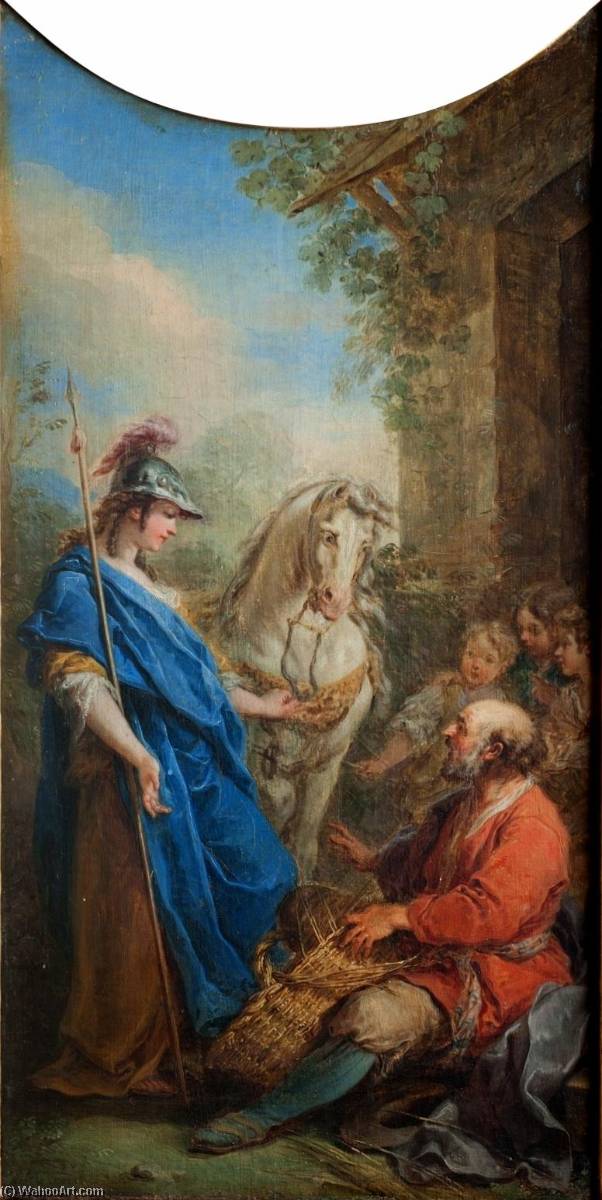
“Jerusalem Delivered” by Torquato Tasso’s epic poem captivated audiences of the Baroque era with its sprawling narrative and vivid depictions of biblical events. Now immortalized in oil on canvas by Charles-André van Loo, this monumental painting transcends mere storytelling; it embodies the grandeur and emotional intensity characteristic of the period.
- Subject Matter: The scene portrays a pivotal moment from Tasso’s poem – Erminia, a noblewoman driven by unwavering faith and courage, confronts Goliath-like shepherds guarding Jerusalem. This juxtaposition highlights the clash between divine righteousness and earthly resistance, central to the poem's theological core.
- Style: Van Loo’s masterful execution firmly establishes this artwork within the Rococo style. Despite its monumental scale, the painting exudes an air of refined elegance thanks to delicate brushstrokes, luminous color palettes dominated by blues and whites, and meticulous attention to detail in portraying fabrics and facial expressions.
- Technique: Van Loo employed a technique known as chiaroscuro—the dramatic interplay between light and shadow—to sculpt the figures and imbue the scene with palpable emotion. Light illuminates Erminia’s determined gaze and the noble horse, emphasizing her heroic posture while casting shadows over the shepherds, conveying their vulnerability.
Historical Context: Painted in 1733, this artwork reflects the fervent religious fervor prevalent throughout Europe during the Baroque period. Tasso's poem served as a powerful symbol of Catholic piety and national pride, particularly in Italy—where Van Loo resided—amidst the political tensions surrounding the War of Succession.
- Symbolism: Erminia’s spear represents her unwavering faith and readiness to defend Jerusalem. The white horse symbolizes purity and nobility, mirroring Erminia's virtue. The shepherds’ baskets symbolize provision and humility—a deliberate contrast to Erminia’s assertive stance.
Emotional Impact: Van Loo skillfully captures the drama of the confrontation, eliciting a profound sense of awe and admiration for Erminia’s courage. The painting's luminous colors and masterful chiaroscuro contribute to its emotional resonance, transporting viewers back to the turbulent atmosphere of 18th-century Italy and reminding us of the enduring power of biblical narratives.
- Provenance: Currently housed in the Palazzo Reale di Torino (Turin), Italy, this masterpiece stands as a testament to Van Loo’s artistic legacy and continues to inspire connoisseurs worldwide. Its reproduction offers an exceptional opportunity to appreciate the grandeur of Baroque art and immerse oneself in the spirit of Tasso's epic poem.
Charles-André van Loo’s “Jerusalem Delivered” is more than just a painting; it’s a visual embodiment of faith, courage, and artistic brilliance—a timeless treasure that resonates with audiences across centuries.