



A Baroque Masterpiece: The Architectural Splendor of Palazzo Reale
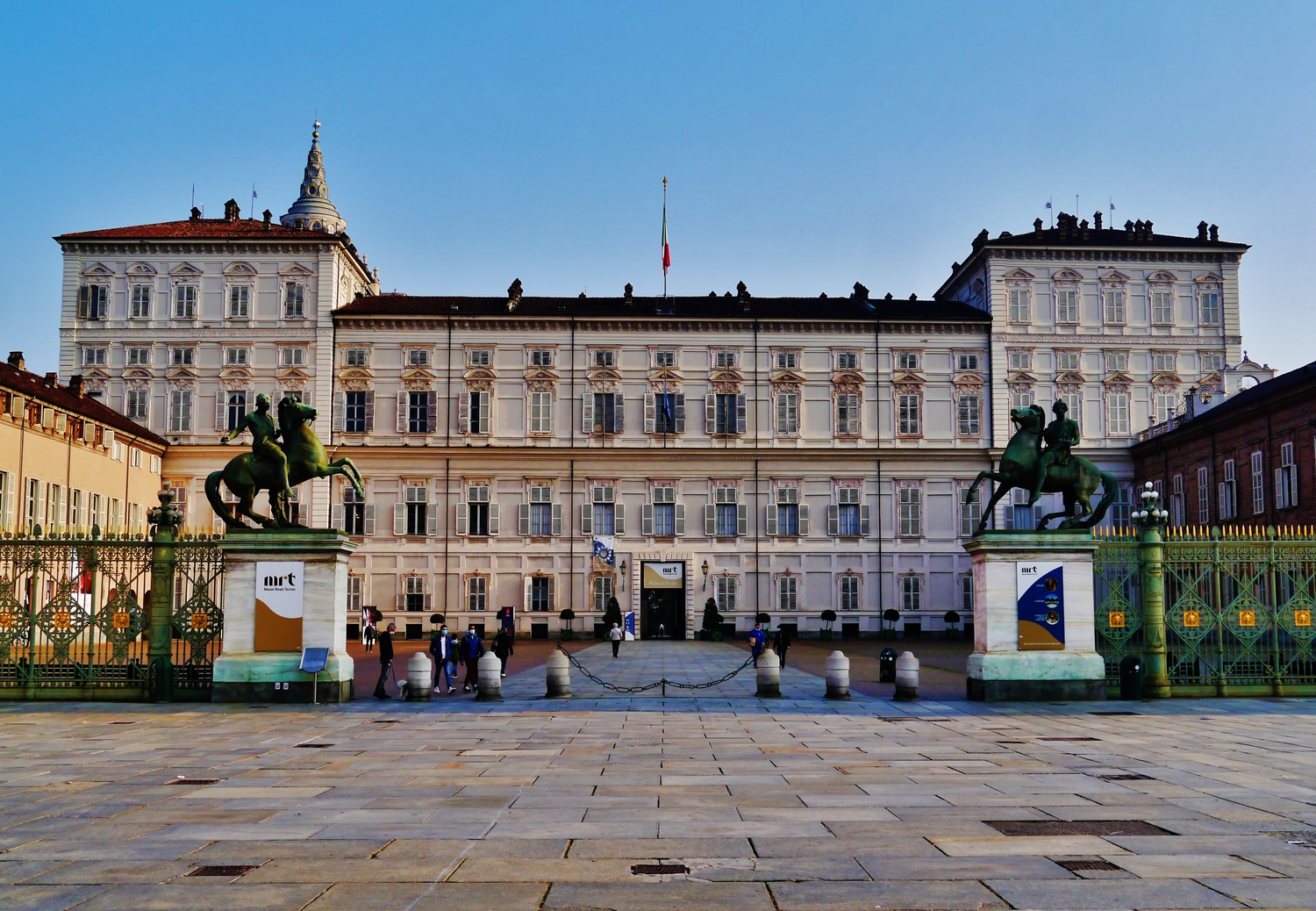
In the beating heart of Turin, where the echoes of the House of Savoy still resonate through cobblestone streets, stands the Palazzo Reale —a monumental testament to the grandeur of the Baroque era. This is not merely a building; it is a profound dialogue between stone and spirit, an architectural triumph born from the visionary minds of Filippo Juvarra and Benedetto Alfieri . As one approaches this UNESCO World Heritage site, the sheer scale of the facade commands reverence, its white marble and granite surfaces reflecting a divine order that was central to eighteenth-century philosophy. The architecture serves as a physical manifestation of power and grace, where the rigid geometry of the Savoyard dynasty meets the fluid, organic beauty of nature. Through large, strategically placed windows, light floods the interior, dissolving the boundaries between the opulent state apartments and the meticulously manicured gardens, creating a sensory experience that feels both celestial and grounded.
The design philosophy of the palace reflects a deep fascination with the harmony of the natural world, heavily influenced by the principles of English landscape art. The interplay of light and shadow within its halls creates a dynamic atmosphere, where every corridor tells a story of innovation and prestige. For the admirer of classical elegance, the palace offers a masterclass in how structural symmetry can evoke a sense of eternal balance, making it an essential pilgrimage for those who seek to understand the roots of European royal identity.
A Journey Through Canvas and Soul: The Royal Collection
Stepping inside the Palazzo Reale is akin to walking through a living timeline of human creativity. The museum’s permanent collection is a breathtaking tapestry woven from the threads of the Renaissance, Baroque, and Neoclassicism. Art lovers will find themselves captivated by the intimate portraits of the Savoy monarchs, where masters such as Bernardino Pinturicchio and Gian Lorenzo Bernini breathed life into pigment and stone. These works are celebrated not just for their technical anatomical precision, but for their profound emotional depth, capturing the very essence of the subjects' regal dignity and human vulnerability.
Among the many treasures, one cannot help but be moved by the spiritual gravity of the Shroud of Saint Lawrence —a sacred relic that serves as a poignant anchor to the museum’s liturgical history. The collection further expands into the realms of technical brilliance with works that explore the evolution of light and shadow, offering a scholarly yet deeply moving look at how artistic techniques transitioned from the heavy drama of the Baroque to the delicate nuances of later movements. For collectors and historians alike, the presence of such diverse masterpieces provides an unparalleled opportunity to witness the continuous dialogue of art history within a single, magnificent setting.
A Living Legacy: Exhibitions and Cultural Innovation
The Palazzo Reale transcends its role as a static repository of the past; it is a vibrant, breathing institution that actively shapes contemporary cultural discourse. The museum is renowned for its rotating exhibitions that bridge the gap between disparate disciplines, often intertwining literature, music, and science with the visual arts. These curated experiences invite visitors to ask provocative questions about how historical narratives influence our modern understanding of identity and innovation. By collaborating with prestigious international academic institutes, the palace ensures that it remains at the forefront of interdisciplinary research.
Whether exploring a recent study on the botanical influences within the palace gardens or attending a showcase of technological advancements in art preservation, the visitor is constantly met with fresh perspectives. This commitment to intellectual growth makes the Palazzo Reale a sanctuary for the curious mind. It remains a place where the splendor of the eighteenth century meets the inquisitive spirit of the twenty-first, ensuring that the legacy of the House of Savoy continues to inspire, educate, and enchant generations of art enthusiasts and designers worldwide.