The Renaissance Courtier: Cultivating Taste Through Collection
The Italian Renaissance witnessed not merely a rebirth of classical antiquity, but the birth of the modern art collector – and with it, a new standard for discerning taste. No longer solely the domain of the Church or crown, artistic patronage became a powerful tool for asserting social status, intellectual prowess, and even political ambition amongst the burgeoning merchant class and noble families. Figures like Lorenzo de’ Medici weren't simply acquiring beautiful objects; they were constructing narratives of power and refinement through carefully curated collections. The emphasis shifted from devotional works to humanist themes – mythology, portraiture, and historical scenes – reflecting a growing fascination with human potential and earthly beauty. This pursuit wasn’t haphazard; it demanded education, travel, and an understanding of artistic technique. The ideal courtier, as Baldassare Castiglione outlined in The Book of the Courtier, was expected to be knowledgeable about art, capable of distinguishing genuine mastery from mere imitation. This era established a precedent: art wasn’t just *seen*, it was *understood* – and possessing that understanding became a mark of distinction.
Rococo Opulence: Art as a Reflection of Aristocratic Leisure
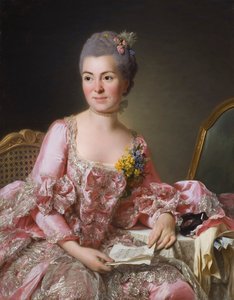
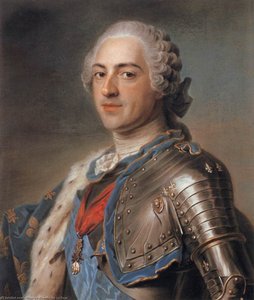
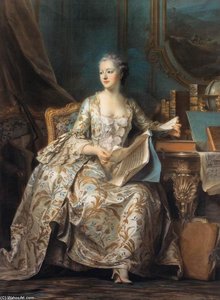
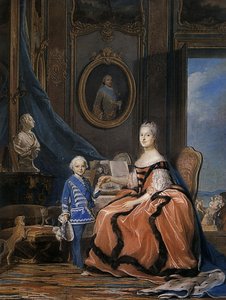 Marie Josephe of Saxony, Dauphine and a son
Maurice Quentin de la Tour’s elegant portrait of Marie Josephe of Saxony & her son exemplifies Rococo opulence. Rich colors, symmetrical composition & aristocratic detail – a stunning piece for art collectors.
By the 18th century, aristocratic taste had evolved into something altogether more playful and indulgent. The Rococo style, born in the salons of Paris, epitomized this shift. Where Renaissance art sought balance and harmony, Rococo embraced asymmetry, delicate curves, and a pastel palette that evoked lightness and grace. Artists like François Boucher catered to the desires of a court obsessed with pleasure – scenes of idyllic love, mythological frolics, and portraits celebrating beauty and charm became commonplace. Maurice Quentin de la Tour’s elegant portraiture, such as his depiction of Marie Josephe of Saxony and her son, perfectly encapsulates this aesthetic. The rich colors, symmetrical composition, and meticulous detail weren't merely decorative; they were statements of wealth, status, and a cultivated appreciation for the finer things in life. This wasn’t art intended to inspire religious devotion or convey moral lessons; it was designed to delight the senses and reflect the aristocratic lifestyle – a world of leisure, romance, and refined indulgence.
The Grand Tour's Influence on Artistic Patronage and Style
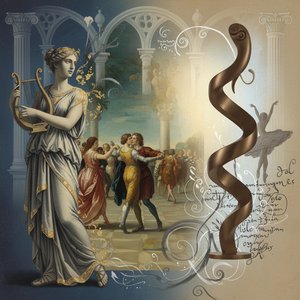
The Grand Tour was the principally 17th- to early 19th-century custom of a traditional trip through Europe, with Italy as a key destination, undertaken by upper-class young European men of sufficient means and rank (typically accompanied by a tutor o...
Central to the formation of aristocratic taste during this period was the Grand Tour. Beginning in the 17th century, young men of means embarked on extended journeys through Europe – particularly Italy – as a rite of passage. This wasn’t simply sightseeing; it was an immersive education in art, architecture, and culture. Exposure to classical ruins, Renaissance masterpieces, and the vibrant artistic communities of Rome, Florence, and Venice profoundly shaped their aesthetic sensibilities. They returned home not only with souvenirs but with a refined eye for quality and a desire to emulate the styles they had encountered. This demand fueled patronage – commissioning portraits in the style of Italian masters, acquiring sculptures inspired by classical models, and transforming their estates into miniature versions of the grand villas they’d visited. The Grand Tour effectively democratized (to a degree) access to artistic knowledge and fostered a pan-European exchange of ideas.
Marie Antoinette & the Salon de la Reine: A Showcase of Refined Aesthetics
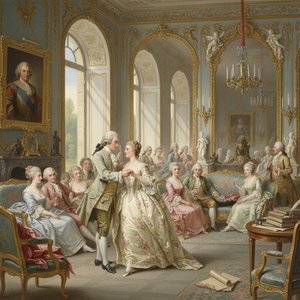
Few figures embody aristocratic taste quite like Marie Antoinette. Her patronage, particularly her lavishly decorated Salon de la Reine at Versailles, became synonymous with Rococo extravagance – and ultimately, a symbol of the excesses that led to the French Revolution. The salon wasn’t merely a room; it was a carefully constructed environment designed to project an image of power, sophistication, and refined pleasure. Every detail – from the silk wall coverings and gilded furniture to the porcelain figurines and meticulously arranged flowers – contributed to this effect. While often criticized for its opulence, the Salon de la Reine also showcased Marie Antoinette’s discerning eye for quality and her support of talented artists and artisans. It was a space where art wasn't just displayed; it was *lived in*, integrated into every aspect of daily life.
Neoclassical Revival: Reasserting Order and Virtue in Art
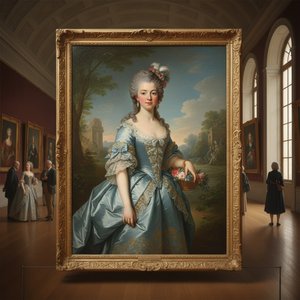
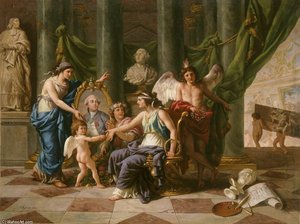 Allégorie Relative À L'établissement Du Museum Dans La Grande Galerie Du Louvre
Explore Louis-Jean-François Lagrenée’s ‘Allégorie Relative…’ – a grand Neoclassical allegory celebrating art & patronage at the Louvre. Discover its opulent details, symbolic figures, and rich history.
As the Enlightenment gained momentum, aristocratic taste began to shift once more. The Rococo’s frivolousness came to be seen as decadent and superficial, replaced by a renewed interest in classical ideals of order, reason, and virtue. Neoclassicism emerged as a reaction against this perceived excess – artists like Jacques-Louis David embraced simplicity, symmetry, and historical themes that promoted civic duty and moral integrity. This wasn’t simply an aesthetic change; it reflected a broader cultural shift towards intellectualism and social responsibility. Louis-Jean-François Lagrenée’s ‘Allégorie Relative à l'établissement du Museum dans la Grande Galerie du Louvre’ exemplifies this new sensibility – celebrating art not as a symbol of aristocratic privilege, but as a public good accessible to all. The establishment of museums themselves signaled a democratization of artistic appreciation, moving masterpieces from private collections into the realm of national heritage.
From Private Collections to Public Museums: The Legacy of Aristocratic Taste
The legacy of aristocratic taste extends far beyond the paintings and sculptures they collected. Their patronage shaped the course of art history, fostering innovation, supporting talented artists, and establishing standards for quality that continue to influence our aesthetic sensibilities today. Perhaps more importantly, their collections – often opened to public view in the form of museums – transformed art from a symbol of exclusivity into a shared cultural resource. The Louvre, initially established as a royal collection, stands as a testament to this transformation. While the aristocracy’s power waned, their passion for art endured, leaving an indelible mark on the world we inhabit – and inspiring generations of collectors to seek beauty, knowledge, and meaning in the masterpieces of the past. At ArtsDot.com, we strive to make these iconic works accessible to all, offering high-quality reproductions that capture the essence of artistic excellence and allow you to bring a touch of refined elegance into your own home.