 Preview
 Send
Send Share
Share
 Details

 Download
 Similars
 X-Ray
X-Ray Diaporama
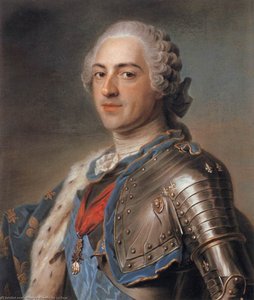
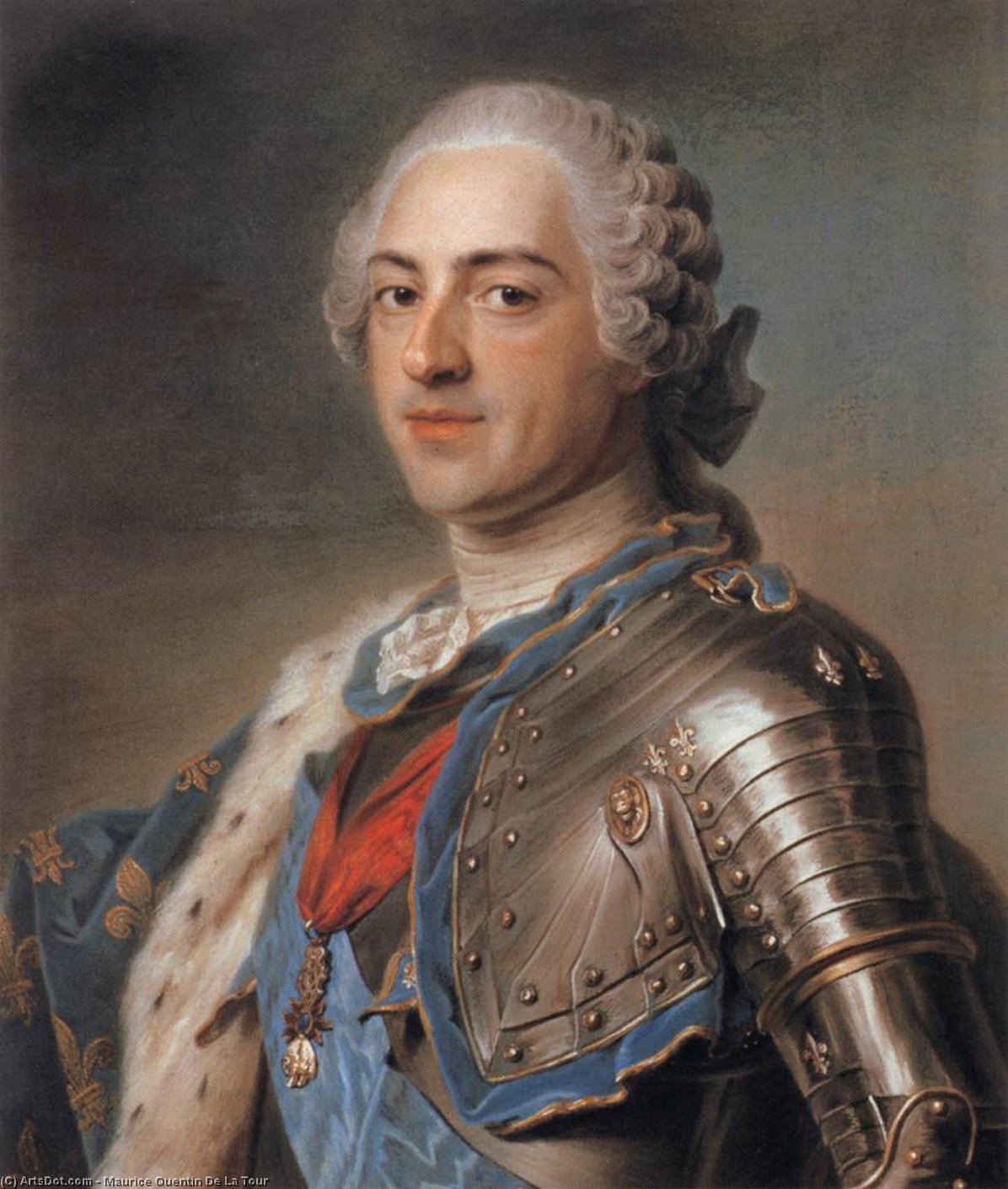
Louis XV
 Pastel
- Rococo Portraiture
 66.0 x 58.0 cm
 The Louvre
 Read More
Hand Made Oil Reproduction
Hand-painted oil on canvas in your size and frame, made to order by our artists. ( Buy Print Buy Image)




P118B $10

P118H $10

P118W $10

P438Z $10

P508JH $12

P508YH $12

P805H $10

P805Z $10

P919BZ $10

P919G $10

P919XJ $10

P959ZH $10

P968JZ $12

W106C $8

W218G $10

W218JH $8

W218Y $10

W307PJ $10

W316G $10

W316PJ $8

W316Y $10

W398PJ $8

W4111J $10

W500HY $15

W500JH $15

W692G $12

W849H $8

W940BG $15

W953PJ $8




Pick from our preset sizes that match the artwork's original proportions.

You may enter your own dimensions to fit a specific frame or space. If your selected size does not match the original image's proportions, we will either crop the artwork or extend the painting with additional hand-painted elements. A digital mockup will be sent for your approval before production begins.
Please note that the on-screen preview does not reflect the actual cropping or extension. Only the mockup will accurately show the final composition.
While custom sizes are available, we recommend selecting a dimension from the predefined list to preserve the original proportions.
After order, ArtsDot.com team will email client for instructions and provide a mockup preview
Worldwide Delivery () in 3/4 weeks instead of standard 5 weeks. (16 August). No compromise on quality.

Free Worldwide Express Shipping

High-Quality Linen Canvas

Full Shipping Insurance

Customs Tax Refund Guarantee

True Color Matching Guarantee

60-Day Return Policy (Defects Only)

100% Money-Back Guarantee

Bulk Discount Offer
 Glass option is only available in size under 110 CM

Louis XV
Reproduction Medium
Reproduction Size
-


Total Price
$ 263
Artwork Description
Maurice Quentin de La Tour: Capturing Majesty in Pastel
Maurice Quentin de La Tour (1704 – 1788) stands as a pivotal figure in Rococo portraiture, renowned for his masterful manipulation of pastel—a technique that allowed him to achieve unparalleled luminosity and delicacy. This remarkable artwork, “Louis XV,” exemplifies the stylistic hallmarks of his era and offers a fascinating glimpse into the opulent world of French aristocracy during Louis XV’s reign.
The painting depicts Louis XV, seated with an air of regal composure. He wears a striking blue coat adorned with gold embroidery—a deliberate choice reflecting the wealth and prestige associated with royalty. A scarlet sash encircles his torso, further emphasizing his status, while a golden crown rests upon his head, symbolizing authority and divine right.
A Pastel Pioneer: Technique and Innovation
Unlike oil paint, pastel relies on finely powdered pigment mixed with binder—typically gum arabic—to create soft, velvety surfaces. La Tour’s skill lay in exploiting the medium's ability to capture subtle tonal variations and shimmering highlights. The artist meticulously blended pastel hues onto paper, layering colors to build depth and creating an ethereal glow that distinguishes his portraits from those produced by contemporaries.
The use of pastel wasn’t merely a stylistic preference; it represented a significant advancement in portraiture. It allowed for greater spontaneity and immediacy than oil paint, capturing fleeting expressions and conveying psychological nuance—qualities particularly valued during the Rococo period. La Tour's approach was revolutionary, influencing subsequent artists and establishing pastel as a favored medium for depicting likenesses.
Historical Context: The Reign of Louis XV
Louis XV’s reign (1724 – 1774) marked the zenith of French Baroque influence, transitioning into the exuberant aesthetic of Rococo. This era celebrated beauty, frivolity, and aristocratic indulgence—themes powerfully reflected in La Tour's artwork. The portrait serves as a testament to the grandeur of Versailles and the pervasive fascination with royal iconography.
Furthermore, La Tour’s work aligns with broader artistic currents of the time, mirroring the interest in capturing inner character alongside outward appearance. Like Voltaire and Madame de Pompadour, Louis XV was portrayed not merely as a ruler but as an individual—a human being capable of emotion and contemplation. This humanist sensibility distinguishes La Tour's oeuvre from more formal depictions of monarchs.
Symbolism and Emotional Impact
The composition itself is carefully considered, directing the viewer’s gaze towards Louis XV’s face—the focal point of the portrait. The posture exudes confidence and dignity, conveying a sense of power and serenity. The subtle shading and luminous highlights contribute to an emotional resonance that transcends mere visual representation.
“Louis XV” is more than just a likeness; it's an embodiment of Rococo ideals—beauty, elegance, and refined sensibility. La Tour’s pastel technique elevates the portrait beyond a simple depiction of royalty, transforming it into a captivating meditation on human presence and artistic mastery.
Related Artworks
Artist Biography
Maurice Quentin de La Tour: A Life in Pastel
- Born: September 5, 1704, Saint-Quentin, France
- Died: February 17, 1788, Saint-Quentin, Picardy, Kingdom of France
- Known For: Rococo portraiture in pastel, capturing likenesses of Voltaire, Louis XV, and Madame de Pompadour.
Early Life and Artistic Development
- Maurice Quentin de La Tour was born into a musical family; his father, François de La Tour, was a musician for the Duc du Maine. Despite initial familial expectations, Maurice pursued painting.
- Around 1724, he moved to Paris, where he began his artistic career. Early training included studies with Jacques Spoede and a brief period in Rheims. A trip to England in 1725 further influenced his style.
- His early portraits, such as the one of Voltaire (1731), demonstrated an emerging talent for capturing character and likeness. This portrait was notably engraved by Langlois, bringing him wider recognition.
Artistic Style and Notable Works
- Pastel Mastery: De La Tour is celebrated for his exceptional skill in using pastels. He employed the medium to create portraits with a remarkable softness and delicacy, capturing subtle nuances of expression and texture.
- Rococo Influence: His work exemplifies the Rococo style, characterized by elegance, grace, and a focus on portraying fashionable society.
- Notable Works:
- Portrait of Voltaire (1731) - Established his reputation early in his career.
- Self-Portrait, Laughing (c. 1737) – Showcases his ability to portray personality and wit.
- Portrait of Madame de Pompadour – A significant commission demonstrating his skill in capturing the likeness of a prominent figure.
- Portraits of Louis XV - Several portraits of the French King, solidifying his position within the court.
- Salon Exhibitions: He regularly exhibited at the Paris Salon, showcasing a series of 150 portraits over three decades, which became a highlight for visitors.
Recognition and Later Life
- Royal Recognition: In 1737, he was recognized by the Royal Academy of Painting and Sculpture. He later became portraitist to the king in 1750.
- Philanthropy: As his wealth grew, de La Tour dedicated himself to philanthropic endeavors, founding a school for drawing in Saint-Quentin and supporting impoverished artists.
- Mental Health Challenges: Around 1773, he experienced a nervous breakdown, leading to periods of mental illness and eventual retirement to his hometown of Saint-Quentin.
Legacy and Historical Significance
- De La Tour’s portraits are highly valued for their psychological insight and technical brilliance. He elevated pastel portraiture to new heights, influencing subsequent generations of artists.
- His ability to capture the essence of his subjects—their personalities, intelligence, and social standing—made him one of the most sought-after portraitists of his time.
- Today, his works are held in prestigious museums worldwide, including the Musée du Louvre, providing valuable insights into 18th-century French society and artistic practices.
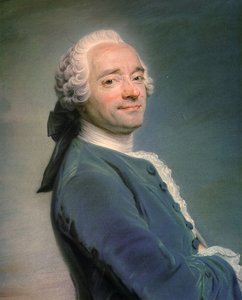
Maurice Quentin de La Tour
1704 - 1788 , France
Quick Facts
- Artistic Movement Or Style: Rococo
- Date Of Birth: September 5, 1704
- Date Of Death: February 17, 1788
- Full Name: Maurice Quentin de La Tour
- Nationality: French
- Notable Artworks:
- Portrait of Madame de Pompadour
- Louis XV
- Self-portrait, laughing
- Place Of Birth (City And Country): Saint-Quentin, France
Related Articles
Maurice Quentin de La Tour: Light, Shadow & the Rococo Portrait
Explore the captivating world of Maurice Quentin de La Tour, a master of Rococo portraiture. Discover his innovative pastel techniques, intimate depictions of French aristocracy, and lasting artistic legacy. Learn more at ArtsDot.

Giclée Prints: Archival Quality & Aesthetic Nuances for the Discerning Collector
Explore the world of giclée prints with ArtsDot. Learn about archival quality, aesthetic nuances & investment potential. Expert guidance for discerning art collectors seeking museum-quality reproductions and lasting value.

Rococo's Radiant Legacy: 10 Masterpieces for Your Home |
Indulge in the elegance of Rococo! Explore 10 masterpieces by Fragonard, Boucher & Watteau. Discover the stories behind these iconic paintings and bring timeless art to your home with museum-quality reproductions from .

The Rococo Aesthetic: Opulence, Rebellion & the Pursuit of Pleasure in 18th-Century Art
Explore the opulent world of Rococo art! Discover its origins, key artists like Watteau & Boucher, and lasting influence on design. Expert insights for collectors & enthusiasts.

The Enduring Legacy of Fine Art Prints: Technique, History & Aesthetic Impact
Explore the rich history & techniques of fine art prints. Discover investment potential, assess authenticity, and learn how to preserve your collection with expert guidance. Trusted insights for discerning collectors.