 Preview
 Send
Send Share
Share
 Details

 Download
 Similars
 X-Ray
X-Ray Diaporama
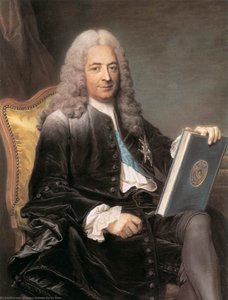
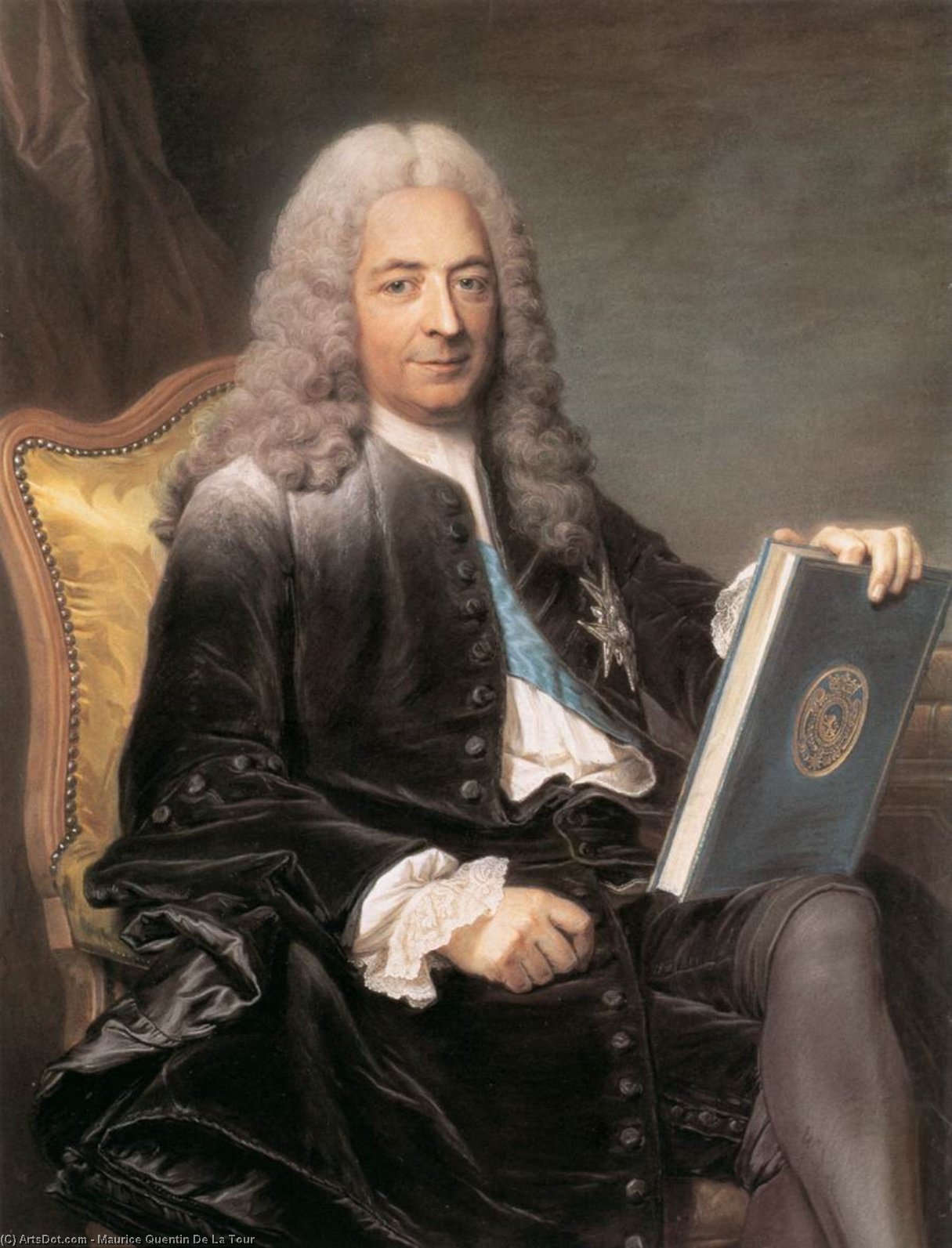
Philibert Orry de Vignory
 Acrylic On Canvas
- WallArt
- Rococo Portraiture
 1737
1737 117.0 x 90.0 cm
 The Louvre
 Read More
Hand Made Oil Reproduction
Hand-painted oil on canvas in your size and frame, made to order by our artists. ( Buy Print Buy Image)




P118B $10

P118H $10

P118W $10

P438Z $10

P508JH $12

P508YH $12

P805H $10

P805Z $10

P919BZ $10

P919G $10

P919XJ $10

P959ZH $10

P968JZ $12

W106C $8

W218G $10

W218JH $8

W218Y $10

W307PJ $10

W316G $10

W316PJ $8

W316Y $10

W398PJ $8

W4111J $10

W500HY $15

W500JH $15

W692G $12

W849H $8

W940BG $15

W953PJ $8




Pick from our preset sizes that match the artwork's original proportions.

You may enter your own dimensions to fit a specific frame or space. If your selected size does not match the original image's proportions, we will either crop the artwork or extend the painting with additional hand-painted elements. A digital mockup will be sent for your approval before production begins.
Please note that the on-screen preview does not reflect the actual cropping or extension. Only the mockup will accurately show the final composition.
While custom sizes are available, we recommend selecting a dimension from the predefined list to preserve the original proportions.
After order, ArtsDot.com team will email client for instructions and provide a mockup preview
Worldwide Delivery () in 3/4 weeks instead of standard 5 weeks. (16 August). No compromise on quality.

Free Worldwide Express Shipping

High-Quality Linen Canvas

Full Shipping Insurance

Customs Tax Refund Guarantee

True Color Matching Guarantee

60-Day Return Policy (Defects Only)

100% Money-Back Guarantee

Bulk Discount Offer
 Glass option is only available in size under 110 CM

Philibert Orry de Vignory
Reproduction Medium
Reproduction Size
-


Total Price
$ 263
Artwork Description
A Portrait Steeped in Rococo Elegance: Maurice Quentin de La Tour’s Philibert Orry de Vignory
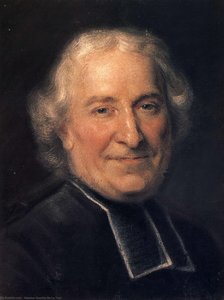
Maurice Quentin de La Tour's "Portrait of Philibert Orry de Vignory," created around 1737, stands as a quintessential example of Rococo portraiture—a style characterized by delicate pastel hues, ornate ornamentation, and an emphasis on capturing the sitter’s psychological state alongside their physical likeness. This captivating artwork resides within the Louvre Museum in Paris, offering visitors a glimpse into the refined tastes of Louis XV's court and cementing La Tour’s reputation as one of France’s foremost pastel artists.The Artist’s Vision: Pastel Technique and Rococo Aesthetics
La Tour’s mastery of pastel—a medium favored for its luminous qualities and ability to achieve subtle gradations of color—is immediately apparent upon viewing the painting. Unlike oil paint, which relies on layering pigments to build up texture and depth, pastel employs powdered pigment mixed with binder (typically gum arabic) applied directly onto paper. This technique allowed La Tour to produce incredibly vibrant colors and achieve remarkable tonal precision, mirroring the prevailing Rococo aesthetic’s obsession with illusionistic effects and capturing fleeting emotions. The artist skillfully utilizes chiaroscuro—the interplay of light and shadow—to sculpt Orry's face and drapery, enhancing the dramatic impact of the composition.A Figure of Distinction: Philibert Orry de Vignory and His Role in Parisian Society
Philibert Orry de Vignory (1689-1747) was a prominent diplomat and administrator serving under Louis XV, embodying the intellectual curiosity and aristocratic ambition that defined the era. La Tour’s portrait captures him seated confidently before a chair draped with luxurious fabrics—a deliberate gesture signaling his status and influence within Parisian society. The inclusion of a wig and blue ribbon underscores the formality of the period and reflects the importance placed on outward appearances as markers of social standing. Furthermore, Orry holds an open book in his hand, symbolizing erudition and intellectual engagement – a common motif in Rococo portraits intended to convey the sitter’s character and accomplishments.Symbolism Within Illusion: Decorative Elements and Artistic Intent
Beyond its technical brilliance, “Portrait of Philibert Orry de Vignory” is laden with symbolic elements characteristic of Rococo art. The ornate drapery—particularly the folds around Orry's shoulders—creates a sense of movement and grandeur, mirroring the undulating curves favored by Rococo artists. The subtle use of color contributes to this atmosphere of elegance and refinement. La Tour’s meticulous attention to detail extends even to the background, where two figures are rendered in muted tones, providing visual balance without distracting from Orry's central presence. These decorative elements serve not merely as embellishments but as conduits for conveying ideas about beauty, status, and intellectual pursuits—reflecting the broader cultural values of Louis XV’s reign.Lasting Impression: An Artistic Legacy
Maurice Quentin de La Tour’s “Portrait of Philibert Orry de Vignory” continues to resonate with viewers today due to its masterful execution and evocative portrayal of a significant figure in French history. Its luminous pastel colors, refined composition, and subtle psychological insight exemplify the pinnacle of Rococo artistic achievement—a testament to La Tour's skill as an artist and his enduring contribution to European art heritage. Reproductions from ArtsDot offer collectors and enthusiasts alike the opportunity to experience this iconic artwork firsthand.Related Artworks
Artist Biography
Maurice Quentin de La Tour: A Life in Pastel
- Born: September 5, 1704, Saint-Quentin, France
- Died: February 17, 1788, Saint-Quentin, Picardy, Kingdom of France
- Known For: Rococo portraiture in pastel, capturing likenesses of Voltaire, Louis XV, and Madame de Pompadour.
Early Life and Artistic Development
- Maurice Quentin de La Tour was born into a musical family; his father, François de La Tour, was a musician for the Duc du Maine. Despite initial familial expectations, Maurice pursued painting.
- Around 1724, he moved to Paris, where he began his artistic career. Early training included studies with Jacques Spoede and a brief period in Rheims. A trip to England in 1725 further influenced his style.
- His early portraits, such as the one of Voltaire (1731), demonstrated an emerging talent for capturing character and likeness. This portrait was notably engraved by Langlois, bringing him wider recognition.
Artistic Style and Notable Works
- Pastel Mastery: De La Tour is celebrated for his exceptional skill in using pastels. He employed the medium to create portraits with a remarkable softness and delicacy, capturing subtle nuances of expression and texture.
- Rococo Influence: His work exemplifies the Rococo style, characterized by elegance, grace, and a focus on portraying fashionable society.
- Notable Works:
- Portrait of Voltaire (1731) - Established his reputation early in his career.
- Self-Portrait, Laughing (c. 1737) – Showcases his ability to portray personality and wit.
- Portrait of Madame de Pompadour – A significant commission demonstrating his skill in capturing the likeness of a prominent figure.
- Portraits of Louis XV - Several portraits of the French King, solidifying his position within the court.
- Salon Exhibitions: He regularly exhibited at the Paris Salon, showcasing a series of 150 portraits over three decades, which became a highlight for visitors.
Recognition and Later Life
- Royal Recognition: In 1737, he was recognized by the Royal Academy of Painting and Sculpture. He later became portraitist to the king in 1750.
- Philanthropy: As his wealth grew, de La Tour dedicated himself to philanthropic endeavors, founding a school for drawing in Saint-Quentin and supporting impoverished artists.
- Mental Health Challenges: Around 1773, he experienced a nervous breakdown, leading to periods of mental illness and eventual retirement to his hometown of Saint-Quentin.
Legacy and Historical Significance
- De La Tour’s portraits are highly valued for their psychological insight and technical brilliance. He elevated pastel portraiture to new heights, influencing subsequent generations of artists.
- His ability to capture the essence of his subjects—their personalities, intelligence, and social standing—made him one of the most sought-after portraitists of his time.
- Today, his works are held in prestigious museums worldwide, including the Musée du Louvre, providing valuable insights into 18th-century French society and artistic practices.
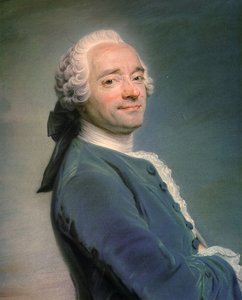
Maurice Quentin de La Tour
1704 - 1788 , France
Quick Facts
- Artistic Movement Or Style: Rococo
- Date Of Birth: September 5, 1704
- Date Of Death: February 17, 1788
- Full Name: Maurice Quentin de La Tour
- Nationality: French
- Notable Artworks:
- Portrait of Madame de Pompadour
- Louis XV
- Self-portrait, laughing
- Place Of Birth (City And Country): Saint-Quentin, France
Related Articles
Maurice Quentin de La Tour: Light, Shadow & the Rococo Portrait
Explore the captivating world of Maurice Quentin de La Tour, a master of Rococo portraiture. Discover his innovative pastel techniques, intimate depictions of French aristocracy, and lasting artistic legacy. Learn more at ArtsDot.

Demandes Commerciales
APS ofrece reproducciones de bellas artes y encargos personalizados desde 2004. Confían en nosotros corporaciones, hoteles y coleccionistas selectos para obras de arte de calidad museística, servicio discreto y soluciones artísticas completas. ¡Póngase en contacto con nosotros para obtener un presupuesto personalizado!

Goya's Masterpieces: Explore 25 Iconic Paintings & Art Prints | ArtsDot
Delve into the world of Francisco Goya with ArtsDot. Explore 25 iconic paintings – from 'The Third of May' to his haunting Black Paintings. Discover the stories, techniques & emotions behind these Spanish masterpieces. Find museum-quality art reproductions for your home at ArtsDot.com!
Georges de La Tour: Luminosity, Spirituality & Realism in Baroque Painting
Discover the captivating world of Georges de La Tour, a Baroque master renowned for his dramatic chiaroscuro & spiritual realism. Explore key works, influences, and his remarkable rediscovery. Learn more at ArtsDot.

The Rococo Aesthetic: Opulence, Rebellion & the Pursuit of Pleasure in 18th-Century Art
Explore the opulent world of Rococo art! Discover its origins, key artists like Watteau & Boucher, and lasting influence on design. Expert insights for collectors & enthusiasts.