Introduction: The Enigmatic World of Georges de La Tour
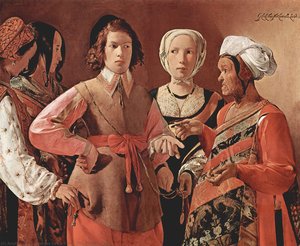
Georges de La Tour remains a somewhat elusive figure within the pantheon of Baroque masters, his oeuvre comparatively small yet profoundly impactful. Born in Vic-sur-Seille in 1593, and largely working within the Duchy of Lorraine, De La Tour carved out a unique artistic space defined by an intensely personal interpretation of light, shadow, and human spirituality. Unlike many of his contemporaries who embraced grand narratives and opulent displays, De La Tour focused on intimate scenes – often religious subjects illuminated by the stark glow of candlelight – that resonate with quiet contemplation and profound emotional depth. His life, though documented in some respects, holds a certain mystery, mirroring the subtle complexities found within his paintings. He was recognized during his lifetime, serving as “Painter to the King” (Louis XIII), yet fell into relative obscurity after his death in 1652, only to be dramatically rediscovered in the early 20th century.
Chiaroscuro Master: De La Tour’s Dramatic Use of Light and Shadow
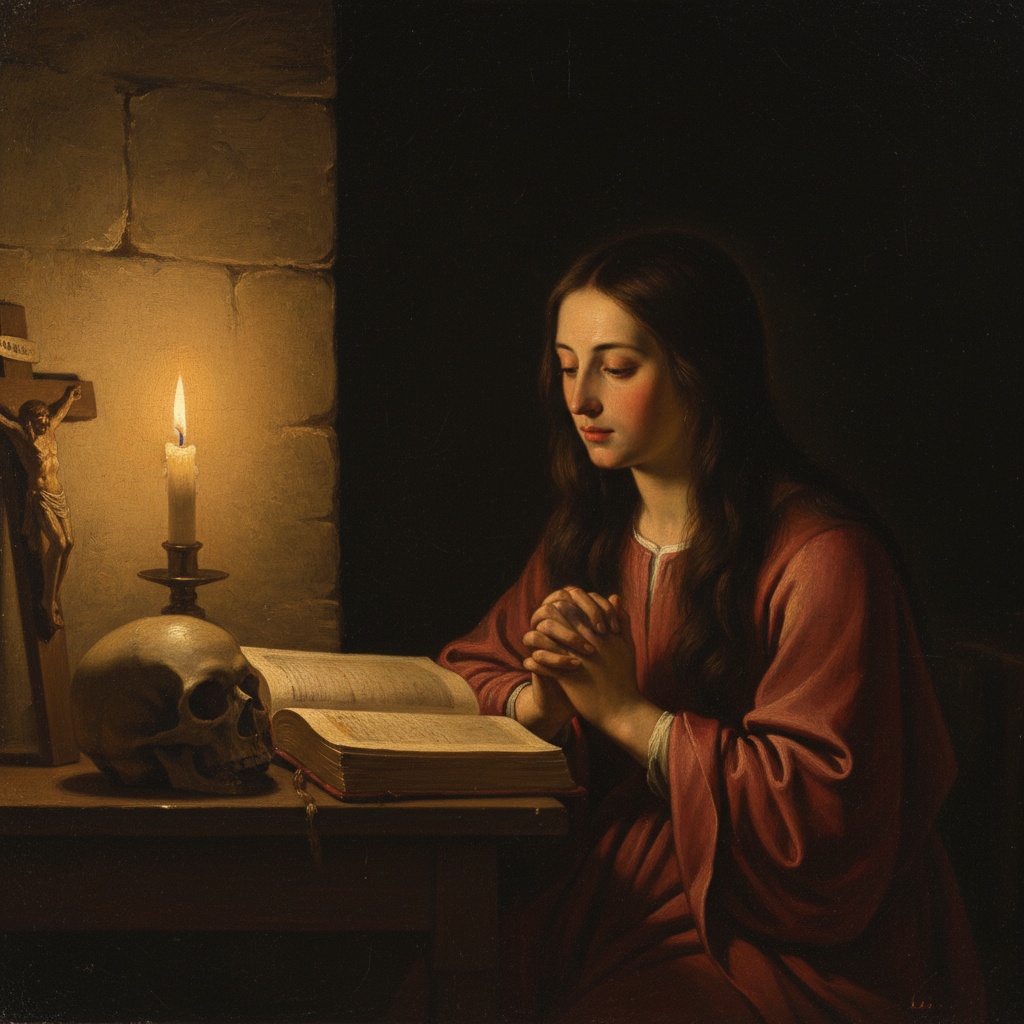
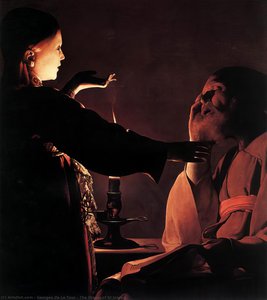
The defining characteristic of De La Tour's style is undoubtedly his masterful command of chiaroscuro, an Italian term meaning “light-dark.” However, to simply label it as such diminishes the profound artistry he brought to the technique. While Caravaggio pioneered a dramatic spotlight effect, often using darkness to heighten tension and realism, De La Tour refined this approach into something altogether more nuanced. His candlelight doesn’t merely illuminate; it *defines* the scene, sculpting forms with an almost palpable presence. The shadows aren't simply absences of light but active elements that contribute to the psychological weight of each composition. He wasn’t interested in a theatrical display of brilliance, but rather in a carefully controlled and deeply symbolic use of illumination. This isn’t merely about representing how candlelight falls; it’s about using light as a metaphor for divine grace, knowledge, or inner revelation. The gradual transitions from intense brightness to velvety darkness create an atmosphere of stillness and introspection, inviting the viewer into a meditative space.
Religious Devotion & Everyday Life: Themes in De La Tour's Paintings
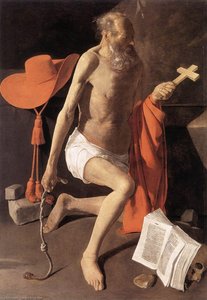
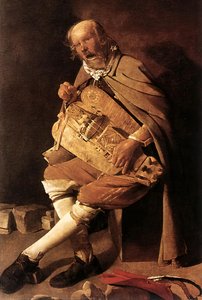
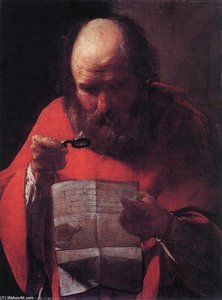
De La Tour’s subject matter is overwhelmingly religious, encompassing scenes from the lives of saints, biblical narratives, and depictions of the Nativity. However, what sets his work apart is the grounding of these sacred themes within the realities of everyday life. His figures aren’t idealized or ethereal; they are robust, often depicted in humble settings with a remarkable sense of physicality. Saint Jerome Reading, for example, doesn't present a saint lost in abstract contemplation but a man absorbed in his studies, surrounded by the tools and textures of his earthly existence. Similarly, The Newborn portrays the Virgin Mary not as an untouchable icon, but as a young mother tenderly cradling her child. This deliberate juxtaposition of the sacred and the mundane elevates the ordinary to the level of the divine, suggesting that spiritual enlightenment can be found within the simplest moments of human experience. He often depicts these scenes with a quiet dignity, eschewing dramatic gestures in favor of subtle expressions and intimate interactions.
De La Tour and Caravaggio: Influences and Innovations
The influence of Caravaggio on De La Tour is undeniable. The Italian master’s revolutionary realism, his use of tenebrism – a more extreme form of chiaroscuro – and his direct engagement with the human figure undoubtedly shaped De La Tour's early artistic development. However, De La Tour wasn’t merely an imitator; he absorbed Caravaggio’s innovations and transformed them into something uniquely his own. While Caravaggio often focused on moments of high drama and violent action, De La Tour favored scenes of quiet contemplation and inner reflection. He also incorporated elements from Dutch Caravaggisti – painters who adopted Caravaggio's style but infused it with a Northern European sensibility for detail and genre painting. This confluence of Nordic, Italian, and French artistic traditions resulted in a distinctive aesthetic characterized by its psychological depth, meticulous realism, and restrained emotionality. De La Tour’s compositions are often more geometrically structured than those of Caravaggio, lending them a sense of order and balance.
A Rediscovered Genius: The Artist’s Obscurity and 20th-Century Revival
The reasons for De La Tour's fall into obscurity after his death remain somewhat unclear. It is speculated that changes in artistic taste, coupled with the political upheavals of the time, contributed to his neglect. For centuries, his paintings were misattributed or simply forgotten, scattered across private collections and provincial churches. The rediscovery of his work began in the early 20th century thanks to the tireless efforts of German art historian Hermann Voss. Voss meticulously researched archival records and identified a significant body of work attributable to De La Tour, revealing the remarkable consistency and quality of his oeuvre. This rediscovery sparked renewed interest in the artist, leading to scholarly publications, museum exhibitions, and ultimately, his recognition as one of the most important Baroque painters of the 17th century. His paintings also captivated writers like René Char, André Malraux, and Pascal Quignard, who were drawn to their enigmatic beauty and profound spirituality.
Exploring Key Works: 'Saint Jerome Reading' and 'The Newborn'
Two works exemplify De La Tour’s unique artistic vision. Saint Jerome Reading, painted around 1630, showcases his mastery of chiaroscuro, with the saint illuminated by a single candle flame that casts long shadows across the room. The painting is not about grand spectacle but about the quiet intensity of intellectual pursuit and spiritual devotion. The Newborn (1649) is equally compelling, depicting Mary cradling her infant son in a darkened interior. The scene is imbued with a sense of tenderness and vulnerability, yet also conveys a profound feeling of sacred mystery. Both paintings demonstrate De La Tour’s ability to transform ordinary moments into powerful statements about faith, humanity, and the enduring power of light. These works, along with others from his relatively small but impactful body of work, continue to captivate audiences today, offering a glimpse into the soul of a truly remarkable artist.