 Preview
 Send
Send Share
Share
 Details

 Download
 Similars
 X-Ray
X-Ray Diaporama
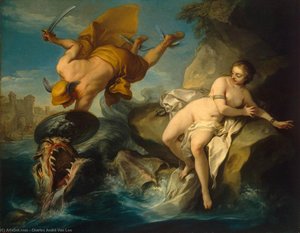
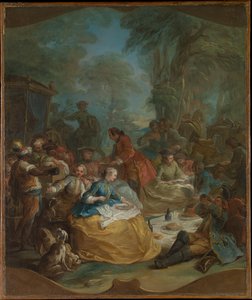
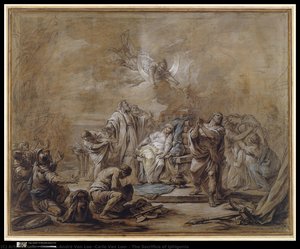
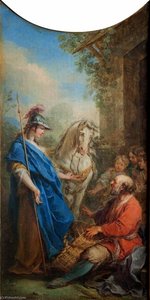
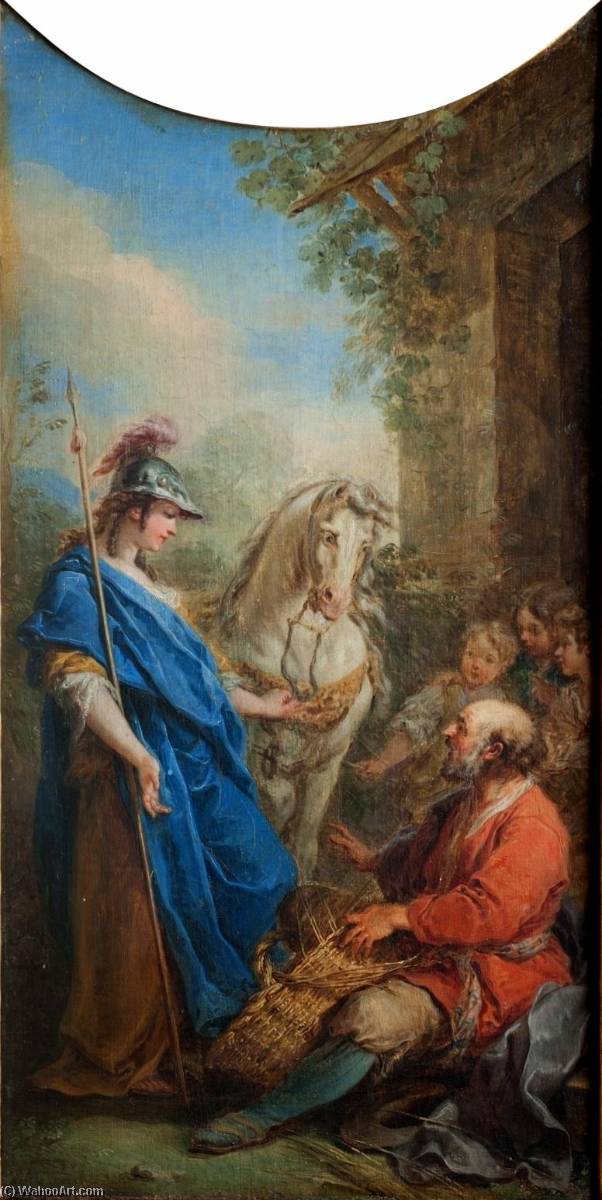
Jerusalem Delivered Erminia with the Shepherds


 Read More
Hand Made Oil Reproduction
Hand-painted oil on canvas in your size and frame, made to order by our artists. ( Buy Print Buy Image)




P118B $10

P118H $10

P118W $10

P438Z $10

P508JH $12

P508YH $12

P805H $10

P805Z $10

P919BZ $10

P919G $10

P919XJ $10

P959ZH $10

P968JZ $12

W106C $8

W218G $10

W218JH $8

W218Y $10

W307PJ $10

W316G $10

W316PJ $8

W316Y $10

W398PJ $8

W4111J $10

W500HY $15

W500JH $15

W692G $12

W849H $8

W940BG $15

W953PJ $8




Pick from our preset sizes that match the artwork's original proportions.

You may enter your own dimensions to fit a specific frame or space. If your selected size does not match the original image's proportions, we will either crop the artwork or extend the painting with additional hand-painted elements. A digital mockup will be sent for your approval before production begins.
Please note that the on-screen preview does not reflect the actual cropping or extension. Only the mockup will accurately show the final composition.
While custom sizes are available, we recommend selecting a dimension from the predefined list to preserve the original proportions.
After order, ArtsDot.com team will email client for instructions and provide a mockup preview
Worldwide Delivery () in 3/4 weeks instead of standard 5 weeks. (17 August). No compromise on quality.

Free Worldwide Express Shipping

High-Quality Linen Canvas

Full Shipping Insurance

Customs Tax Refund Guarantee

True Color Matching Guarantee

60-Day Return Policy (Defects Only)

100% Money-Back Guarantee

Bulk Discount Offer
 Glass option is only available in size under 110 CM

Jerusalem Delivered Erminia with the Shepherds
Reproduction Medium
Reproduction Size
-


Total Price
$ 263
Artwork Description
A Dramatic Encounter Amidst Rustic Pastoral
“Jerusalem Delivered” by Torquato Tasso’s epic poem captivated audiences of the Baroque era with its sprawling narrative and vivid depictions of biblical events. Now immortalized in oil on canvas by Charles-André van Loo, this monumental painting transcends mere storytelling; it embodies the grandeur and emotional intensity characteristic of the period.
- Subject Matter: The scene portrays a pivotal moment from Tasso’s poem – Erminia, a noblewoman driven by unwavering faith and courage, confronts Goliath-like shepherds guarding Jerusalem. This juxtaposition highlights the clash between divine righteousness and earthly resistance, central to the poem's theological core.
- Style: Van Loo’s masterful execution firmly establishes this artwork within the Rococo style. Despite its monumental scale, the painting exudes an air of refined elegance thanks to delicate brushstrokes, luminous color palettes dominated by blues and whites, and meticulous attention to detail in portraying fabrics and facial expressions.
- Technique: Van Loo employed a technique known as chiaroscuro—the dramatic interplay between light and shadow—to sculpt the figures and imbue the scene with palpable emotion. Light illuminates Erminia’s determined gaze and the noble horse, emphasizing her heroic posture while casting shadows over the shepherds, conveying their vulnerability.
Historical Context: Painted in 1733, this artwork reflects the fervent religious fervor prevalent throughout Europe during the Baroque period. Tasso's poem served as a powerful symbol of Catholic piety and national pride, particularly in Italy—where Van Loo resided—amidst the political tensions surrounding the War of Succession.
- Symbolism: Erminia’s spear represents her unwavering faith and readiness to defend Jerusalem. The white horse symbolizes purity and nobility, mirroring Erminia's virtue. The shepherds’ baskets symbolize provision and humility—a deliberate contrast to Erminia’s assertive stance.
Emotional Impact: Van Loo skillfully captures the drama of the confrontation, eliciting a profound sense of awe and admiration for Erminia’s courage. The painting's luminous colors and masterful chiaroscuro contribute to its emotional resonance, transporting viewers back to the turbulent atmosphere of 18th-century Italy and reminding us of the enduring power of biblical narratives.
- Provenance: Currently housed in the Palazzo Reale di Torino (Turin), Italy, this masterpiece stands as a testament to Van Loo’s artistic legacy and continues to inspire connoisseurs worldwide. Its reproduction offers an exceptional opportunity to appreciate the grandeur of Baroque art and immerse oneself in the spirit of Tasso's epic poem.
Charles-André van Loo’s “Jerusalem Delivered” is more than just a painting; it’s a visual embodiment of faith, courage, and artistic brilliance—a timeless treasure that resonates with audiences across centuries.
Related Artworks
Artist Biography
Early Life and Training
- Born: February 15, 1705, in Nice, France
- Family Background: Son of Louis-Abraham van Loo and younger brother of Jean-Baptiste van Loo. Member of a successful dynasty of Dutch painters.
- Early Education: Initial training in Turin, followed by studies in Rome (1712) under Benedetto Luti and Pierre Legros.
- Parisian Studies: Attended the Académie royale, winning first prize for drawing in 1723 and historical painting in 1727.
Artistic Career and Notable Works
- Style: Primarily known as a Rococo painter, characterized by elegance, grace, and ornate detail.
- Subject Matter: Diverse range including portraits, mythological scenes, historical paintings, allegories, and genre scenes.
- Significant Works:
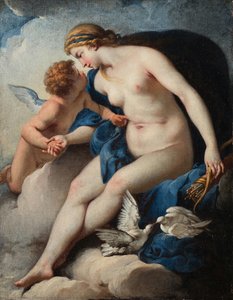
- Venus and Amor (Kunsthalle Bremen) - Demonstrates mastery of the Rococo style.
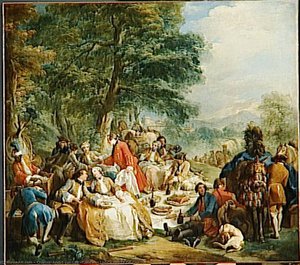
- Halt of the Hunt (The Metropolitan Museum of Art) – Captures aristocratic activities.
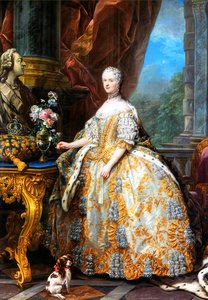
- Portrait of Marie Leszczynska, Queen of France – A notable royal portrait.
- Jupiter and Antiope - Showcases mythological themes.
- Self Portrait – Provides insight into the artist's self-perception.
- Perseus and Andromeda (multiple versions) – Illustrates skill in depicting classical mythology.
- Mademoiselle Clairon as Medea (small version) - A captivating Rococo portrait of 1760.
Patronage and Royal Recognition
- Royal Patronage: Enjoyed the patronage of Madame de Pompadour and the French court.
- Appointment to the Court: Became First Painter to King Louis XV in 1762, a prestigious position.
- Order of Saint Michael: Decorated with the Order of Saint Michael, signifying royal favor.
Influences and Legacy
- Family Influence: Heavily influenced by his father and brother, both accomplished painters.
- Rivalry: Competed with François Boucher, another prominent Rococo artist.
- Modern French School: His "simplicity of style and correctness of design" significantly influenced the modern French school of painting.
- Critical Fortune: While his critical standing fluctuated over time, his skill and the breadth of his work command respect.
Museum Collections & Further Exploration
- Museum Presence: Works are featured in prominent museums including the Louvre (The Marriage of the Virgin), Kunsthalle Bremen, and The Metropolitan Museum of Art.
- Further Resources:
- ArtsDot's Charles-André van Loo page: https://www.ArtsDot.com/artists/charles-andre-van-loo/
- ArtsDot's Greatest Artists of All Time page: https://www.ArtsDot.com/greatest-artists
- ArtsDot Virtual Museum: https://www.ArtsDot.com/
- Wikipedia Article: https://en.wikipedia.org/wiki/Charles-Andr%C3%A9_van_Loo
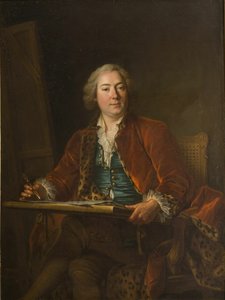
Charles-André van Loo
1705 - 1765 , France
Quick Facts
- Artistic Movement Or Style: Rococo painting
- Artists Or Movements Influenced By This Artist: ['Modern French school']
- Artists Who Influenced This Artist:
- Benedetto Luti
- Pierre Le Gros
- Date Of Birth: February 15, 1705
- Date Of Death: July 15, 1765
- Full Name: Charles-André van Loo
- Nationality: French
- Notable Artworks:
- Venus and Amor
- Halt of the Hunt
- Portrait of Marie Leszczynska
- Jupiter and Antiope
- Self Portrait
- Perseus and Andromeda
- Place Of Birth: Nice, France