 Preview
 Send
Send Share
Share
 Details

 Download
 Similars
 X-Ray
X-Ray Diaporama
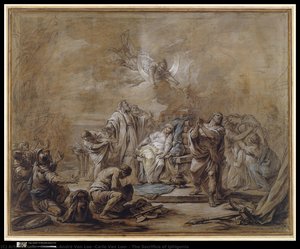
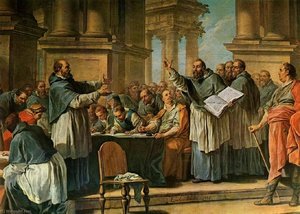
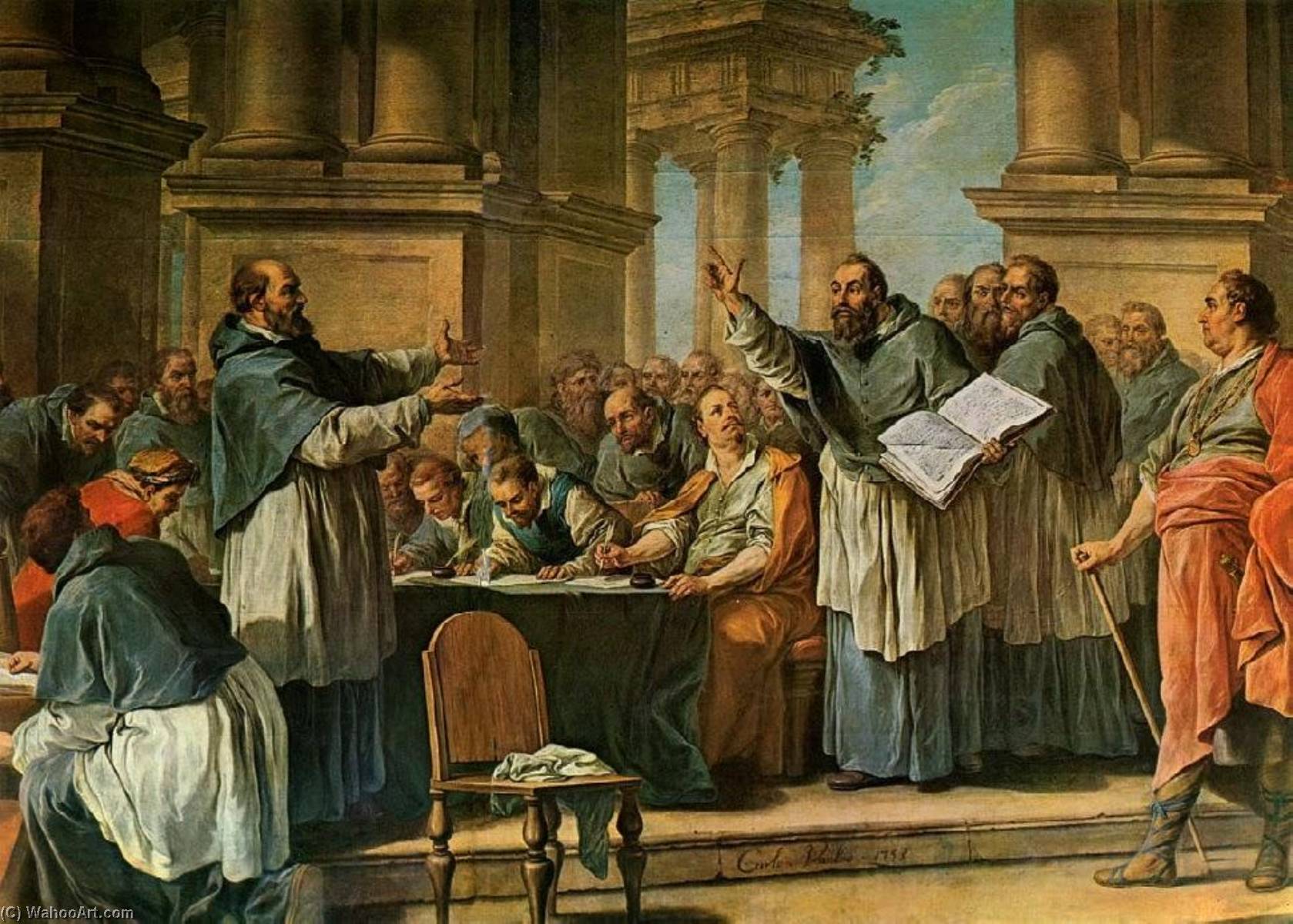
Life of St Augustine Saint Augustine Disputing with the Donatists
 Oil On Canvas
- WallArt
- Rococo Style
 1753
1753- Renaissance
 400.0 x 550.0 cm
 Basilique Notre
 Read More
Hand Made Oil Reproduction
Hand-painted oil on canvas in your size and frame, made to order by our artists. ( Buy Print Buy Image)




P118B $10

P118H $10

P118W $10

P438Z $10

P508JH $12

P508YH $12

P805H $10

P805Z $10

P919BZ $10

P919G $10

P919XJ $10

P959ZH $10

P968JZ $12

W106C $8

W218G $10

W218JH $8

W218Y $10

W307PJ $10

W316G $10

W316PJ $8

W316Y $10

W398PJ $8

W4111J $10

W500HY $15

W500JH $15

W692G $12

W849H $8

W940BG $15

W953PJ $8




Pick from our preset sizes that match the artwork's original proportions.

You may enter your own dimensions to fit a specific frame or space. If your selected size does not match the original image's proportions, we will either crop the artwork or extend the painting with additional hand-painted elements. A digital mockup will be sent for your approval before production begins.
Please note that the on-screen preview does not reflect the actual cropping or extension. Only the mockup will accurately show the final composition.
While custom sizes are available, we recommend selecting a dimension from the predefined list to preserve the original proportions.
After order, ArtsDot.com team will email client for instructions and provide a mockup preview
Worldwide Delivery () in 3/4 weeks instead of standard 5 weeks. (17 August). No compromise on quality.

Free Worldwide Express Shipping

High-Quality Linen Canvas

Full Shipping Insurance

Customs Tax Refund Guarantee

True Color Matching Guarantee

60-Day Return Policy (Defects Only)

100% Money-Back Guarantee

Bulk Discount Offer
 Glass option is only available in size under 110 CM

Life of St Augustine Saint Augustine Disputing with the Donatists
Reproduction Medium
Reproduction Size
-


Total Price
$ 263
Artwork Description
A Window Into Enlightenment: Exploring Charles-André van Loo’s “Life of St Augustine Saint Augustine Disputing with the Donatists”
The painting "Life of St Augustine Saint Augustine Disputing with the Donatists," executed by Charles-André van Loo in 1753, stands as a quintessential emblem of Rococo artistry—a style that prioritized elegance and refined ornamentation above all else. More than just a depiction of biblical narrative, it’s a meticulously crafted tableau reflecting the intellectual fervor of the Enlightenment era and imbued with subtle symbolic resonances that continue to captivate viewers today.The Scene Unfolds: Composition and Narrative
Van Loo's masterful composition draws the eye immediately into the central figure—a man engaged in animated debate with several companions. This posture conveys not merely disagreement but a fervent pursuit of truth, mirroring the philosophical debates prevalent during Louis XV’s reign. The figures are arranged around a table laden with books and documents, suggesting an academic discussion focused on theological disputes surrounding the Donatist heresy – a challenge to papal authority that shook Catholic Europe in the preceding decades. Notice how the artist utilizes chiaroscuro—the dramatic interplay of light and shadow—to heighten tension and emphasize the importance of each participant’s stance. The positioning of the figures contributes to a dynamic visual narrative, inviting contemplation on the complexities of faith and reason.Rococo Technique: Delicate Brushwork and Luxurious Palette
The painting exemplifies the hallmarks of Rococo technique. Van Loo employed a delicate brushstroke—characteristic of the style—to achieve an ethereal quality, particularly evident in the drapery folds and facial expressions. The artist’s palette is rich with pastel hues – creams, golds, pinks, and blues – creating a luminous atmosphere that contrasts sharply with darker tones used to define architectural elements and create depth. These colors wouldn't have been chosen for mere aesthetic pleasure; they were carefully selected to convey nobility and sophistication—values deeply ingrained in the aristocratic patronage of the time. The meticulous layering of paint contributes to an illusionistic effect, blurring boundaries between reality and fantasy and transporting the viewer into a meticulously crafted world.Symbolism Beyond Belief: Layers of Meaning
Beyond its immediate narrative, “Life of St Augustine Saint Augustine Disputing with the Donatists” is laden with symbolic significance. The books represent knowledge and intellectual inquiry—a cornerstone of Enlightenment thought—while the debate itself symbolizes the clash between dogma and rational argument. The inclusion of a prominent crucifix subtly underscores the importance of Christian faith amidst the intellectual currents of the period, reminding viewers that even in times of philosophical upheaval, spiritual values remained paramount. Furthermore, the ornate setting – reminiscent of aristocratic salons – speaks to the artistic conventions of the era and reinforces the painting’s status as a celebration of refined taste and cultural prestige.Emotional Resonance: Capturing Human Drama
Ultimately, Van Loo succeeds in conveying profound human drama—a palpable tension between conviction and doubt. The artist captures the intensity of emotion through expressive facial expressions and gestures, inviting viewers to empathize with the characters involved. The painting’s luminous colors and graceful composition evoke a sense of grandeur and contemplation, prompting reflection on fundamental questions about morality and spirituality. It's a piece that transcends its historical context, continuing to resonate with audiences who appreciate the beauty of artistic craftsmanship and the power of visual storytelling.A Legacy Enduring: Reproduction Considerations
Today, reproductions of “Life of St Augustine Saint Augustine Disputing with the Donatists” offer collectors and interior designers alike an opportunity to experience the splendor of Rococo artistry firsthand. Selecting a high-quality print ensures that the painting’s delicate brushwork and luminous palette are faithfully reproduced, allowing admirers to appreciate Van Loo's artistic vision in their own homes—a testament to the enduring appeal of this masterpiece.Related Artworks

Artist Biography
Early Life and Training
- Born: February 15, 1705, in Nice, France
- Family Background: Son of Louis-Abraham van Loo and younger brother of Jean-Baptiste van Loo. Member of a successful dynasty of Dutch painters.
- Early Education: Initial training in Turin, followed by studies in Rome (1712) under Benedetto Luti and Pierre Legros.
- Parisian Studies: Attended the Académie royale, winning first prize for drawing in 1723 and historical painting in 1727.
Artistic Career and Notable Works
- Style: Primarily known as a Rococo painter, characterized by elegance, grace, and ornate detail.
- Subject Matter: Diverse range including portraits, mythological scenes, historical paintings, allegories, and genre scenes.
- Significant Works:
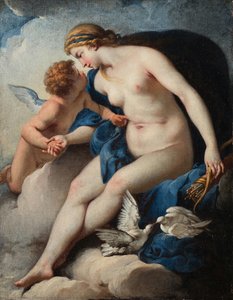
- Venus and Amor (Kunsthalle Bremen) - Demonstrates mastery of the Rococo style.
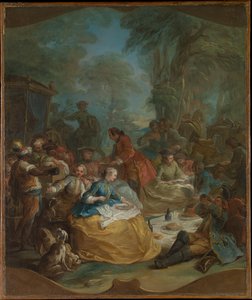
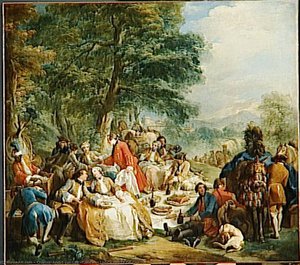
- Halt of the Hunt (The Metropolitan Museum of Art) – Captures aristocratic activities.
- Portrait of Marie Leszczynska, Queen of France – A notable royal portrait.
- Jupiter and Antiope - Showcases mythological themes.
- Self Portrait – Provides insight into the artist's self-perception.
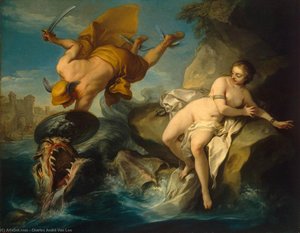
- Perseus and Andromeda (multiple versions) – Illustrates skill in depicting classical mythology.
- Mademoiselle Clairon as Medea (small version) - A captivating Rococo portrait of 1760.
Patronage and Royal Recognition
- Royal Patronage: Enjoyed the patronage of Madame de Pompadour and the French court.
- Appointment to the Court: Became First Painter to King Louis XV in 1762, a prestigious position.
- Order of Saint Michael: Decorated with the Order of Saint Michael, signifying royal favor.
Influences and Legacy
- Family Influence: Heavily influenced by his father and brother, both accomplished painters.
- Rivalry: Competed with François Boucher, another prominent Rococo artist.
- Modern French School: His "simplicity of style and correctness of design" significantly influenced the modern French school of painting.
- Critical Fortune: While his critical standing fluctuated over time, his skill and the breadth of his work command respect.
Museum Collections & Further Exploration
- Museum Presence: Works are featured in prominent museums including the Louvre (The Marriage of the Virgin), Kunsthalle Bremen, and The Metropolitan Museum of Art.
- Further Resources:
- ArtsDot's Charles-André van Loo page: https://www.ArtsDot.com/artists/charles-andre-van-loo/
- ArtsDot's Greatest Artists of All Time page: https://www.ArtsDot.com/greatest-artists
- ArtsDot Virtual Museum: https://www.ArtsDot.com/
- Wikipedia Article: https://en.wikipedia.org/wiki/Charles-Andr%C3%A9_van_Loo
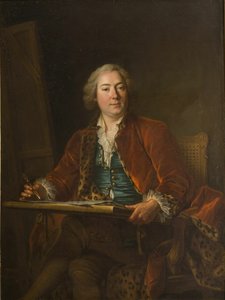
Charles-André van Loo
1705 - 1765 , France
Quick Facts
- Artistic Movement Or Style: Rococo painting
- Artists Or Movements Influenced By This Artist: ['Modern French school']
- Artists Who Influenced This Artist:
- Benedetto Luti
- Pierre Le Gros
- Date Of Birth: February 15, 1705
- Date Of Death: July 15, 1765
- Full Name: Charles-André van Loo
- Nationality: French
- Notable Artworks:
- Venus and Amor
- Halt of the Hunt
- Portrait of Marie Leszczynska
- Jupiter and Antiope
- Self Portrait
- Perseus and Andromeda
- Place Of Birth: Nice, France
Related Articles
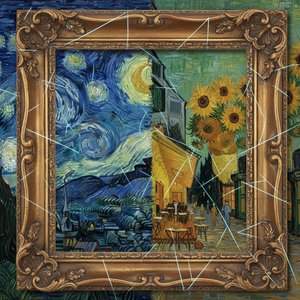
Van Gogh's Masterpieces: Explore 25 Iconic Paintings & Art for Your Home
Journey through Vincent van Gogh's 25 most iconic paintings! Explore 'Starry Night', 'Sunflowers,' and more—discover the stories, techniques & emotions behind these Post-Impressionist masterpieces. Find museum-quality art reproductions for your home at ArtsDot.com.
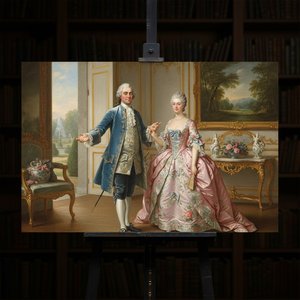
Charles-André van Loo: A Study in Rococo Portraiture & the French Court's Artistic Dynamics
Explore the elegant world of Charles-André van Loo, a master of Rococo portraiture at the French court. Discover his life, techniques, and enduring influence on 18th-century art. Hand-painted reproductions available.

Rembrandt's Masterpieces: Explore 25 Iconic Paintings & Prints | ArtsDot
Journey through Rembrandt van Rijn's 25 most iconic paintings & etchings. Explore Dutch Golden Age masterpieces, dramatic chiaroscuro, and timeless portraits. Find museum-quality art reproductions to elevate your home decor on ArtsDot.com.

Rococo's Radiant Legacy: 10 Masterpieces for Your Home |
Indulge in the elegance of Rococo! Explore 10 masterpieces by Fragonard, Boucher & Watteau. Discover the stories behind these iconic paintings and bring timeless art to your home with museum-quality reproductions from .
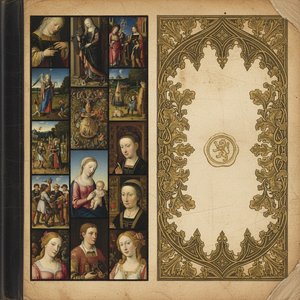
Early Netherlandish Masters: 10 Paintings That Revolutionized Art & Decor
Journey into the world of Early Netherlandish painting! Explore 10 masterpieces by Jan van Eyck, Rogier van der Weyden & more. Discover stunning detail, symbolism & Renaissance art for your home decor. Find museum-quality reproductions on ArtsDot.com