A Vessel of Gold and Sorrow: Gustav Mahler’s “Three-Handled Cup”
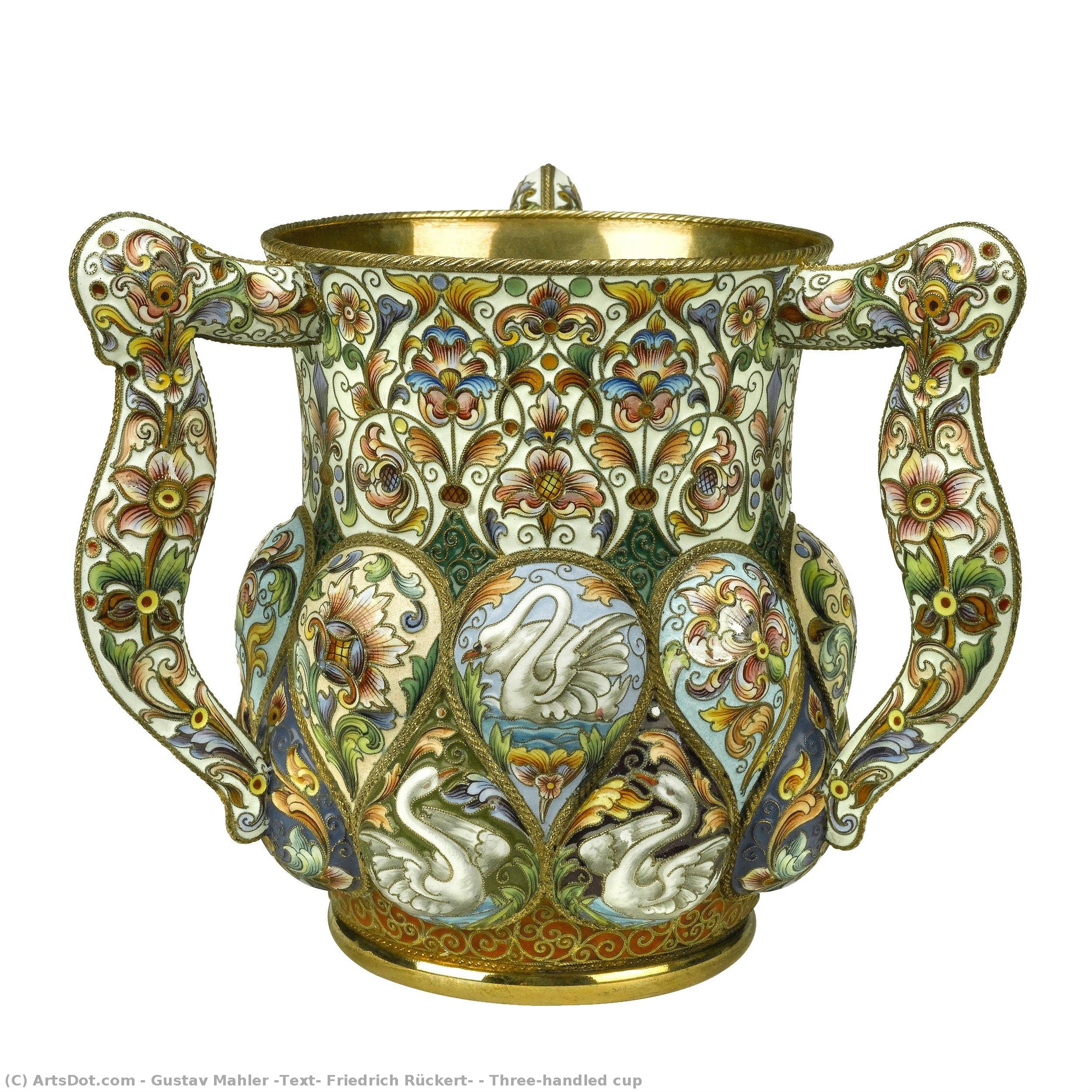
Gustav Mahler's "Three-Handled Cup," rendered in exquisite detail by the skilled hands of his student, Friedrich Rückert, is more than a mere depiction of an ornate vessel; it’s a poignant meditation on loss, memory, and the bittersweet beauty of fleeting moments. Painted with a meticulous realism characteristic of late Romanticism, this artwork transcends its subject matter to become a window into the composer's deeply felt emotional landscape. The image itself—a close-up capturing the cup’s intricate gold trim and swirling decorative motifs—is deceptively simple, yet brimming with layers of meaning.
The piece belongs to a pivotal period in Mahler’s artistic development, following his near-fatal hemorrhage in 1901. This harrowing experience profoundly shaped his work, imbuing it with an undercurrent of melancholy and introspection. The Rückert-Lieder, composed during this intensely personal time, reflect the composer's grappling with mortality and the fragility of human existence. The “Three-Handled Cup” serves as a visual embodiment of these themes – each handle representing a potential path, a lost connection, or a cherished memory reaching out from the past.
Technique and Materials: A Symphony in Detail
Mahler’s choice of medium—likely porcelain or ceramic—is crucial to understanding the artwork's impact. The smooth, cool surface of the material contrasts sharply with the shimmering gold accents, creating a visual tension that mirrors the emotional complexity within the piece. Rückert’s masterful execution is evident in every delicate curve and precisely rendered detail. Notice the painstaking attention paid to the swirling patterns—likely inspired by Byzantine mosaics or the intricate designs found in medieval illuminated manuscripts – these aren't merely decorative; they represent the labyrinthine nature of memory, constantly shifting and reforming with each recollection.
The gold trim itself is not simply applied; it’s meticulously built up through layers of glaze, creating a tactile richness that invites the viewer to almost reach out and touch its surface. This technique, combined with Rückert's exceptional draftsmanship, elevates the artwork beyond a simple representation, transforming it into a three-dimensional experience.
Symbolism and Narrative Resonance
The “Three-Handled Cup” is laden with symbolic weight. The cup itself represents containment—holding within it both precious memories and the sorrow of their loss. Each handle can be interpreted as a different facet of remembrance: one might symbolize familial bonds, another, lost loves, and yet another, the fleeting beauty of youth. The swans adorning the surface are particularly significant; often associated with grace, purity, and melancholy in European art, they serve as poignant reminders of transience and the inevitable passage of time.
Furthermore, the artwork’s quiet intimacy—the close-up perspective—suggests a personal, almost private moment. It's as if we are granted access to a cherished memory, carefully guarded and revealed only in this intimate detail. The overall effect is profoundly moving, evoking a sense of nostalgia and a recognition of the enduring power of human emotion.
A Legacy of Emotion: Reproductions and Artistic Inspiration
Today, reproductions of Mahler’s “Three-Handled Cup” offer art enthusiasts and collectors a unique opportunity to experience the depth and beauty of this remarkable artwork. ArtsDot's faithful recreations capture not only the visual details but also the emotional essence that made the original so compelling. This piece is an ideal addition to any collection, serving as both a stunning decorative object and a poignant reminder of the complexities of human experience.
Beyond its aesthetic appeal, “Three-Handled Cup” stands as a testament to Mahler’s genius—a profound exploration of memory, loss, and the enduring power of art to capture the essence of our shared humanity. Consider it not just a painting, but a portal into the soul of one of music's greatest composers.