

Table of Contents
Quick Facts
- Works on APS: 30
- Mediums:
- acrylic
- acrylic on canvas
- giclée print
- oil on canvas
- other-none
- Historical periods:
- 19th century
- renaissance
- Featured artists:
- henrik immanuel wigström
- laurits regner tuxen
- johan victor aarne
- sergei fedorovich verkhovtsev
- gustav mahler (text: friedrich rückert)
- More…
- Art types:
- digital
- other
- wallart
- Movements:
- art deco
- art nouveau
- contemporary realism
- expressionism
- flying carpets
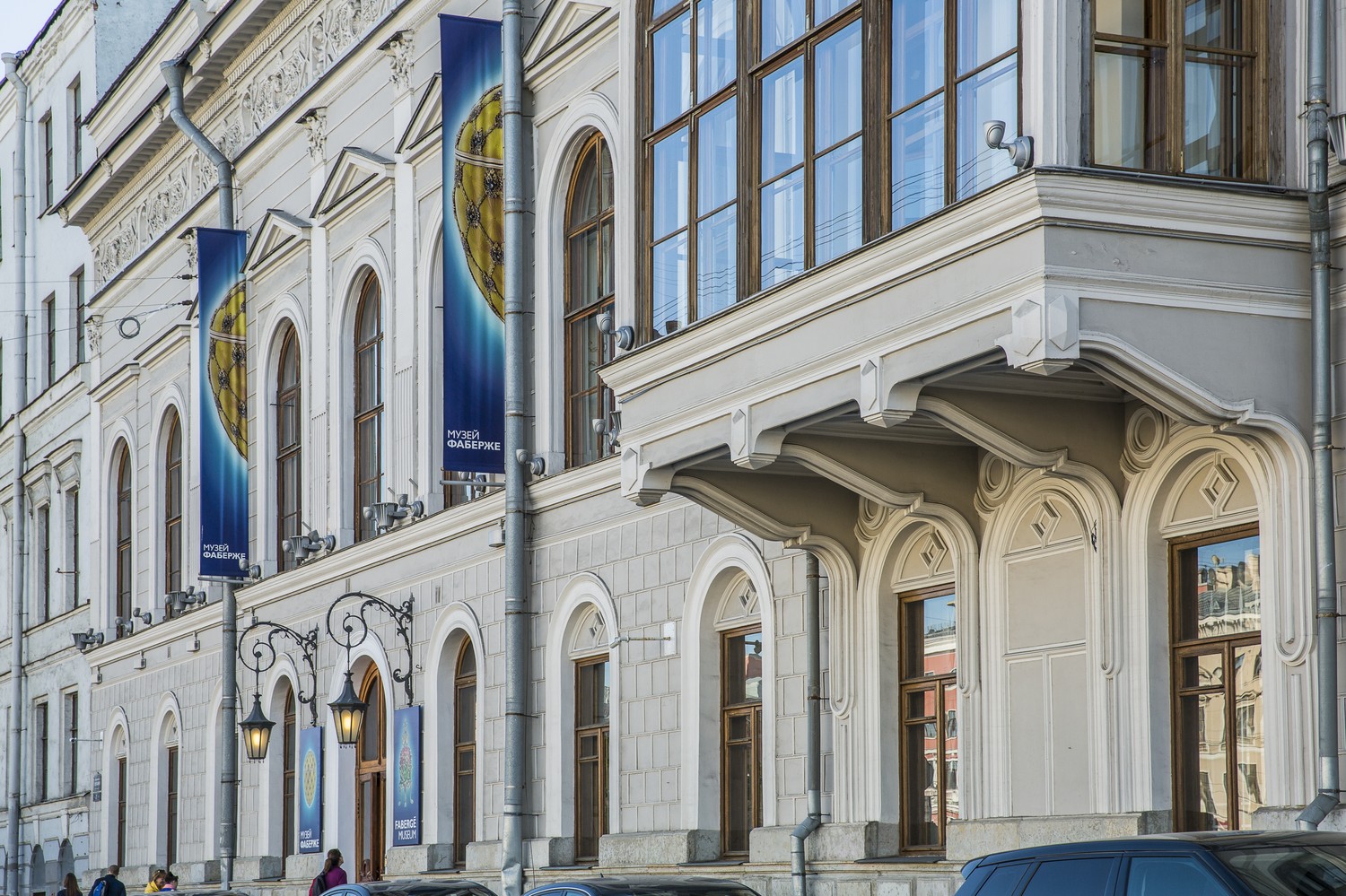
- Location: Saint Petersburg, Russian Federation
- Alternate names:
- Fabergé Museum
- Faberge
- Музей Фаберже в Санкт-Петербурге
- Faberge Museum GmbH
Art Quiz
There is only one correct answer for each question.
Question 1:
What is the primary focus of the Fabergé Museum's collection?
Question 2:
In what city is the Fabergé Museum located?
Question 3:
Who established the Fabergé Museum and acquired a significant portion of its initial collection?
Question 4:
What building houses the Fabergé Museum's collection?
Question 5:
What was a key characteristic of the Imperial Fabergé eggs?
Question 6:
For whom were the Imperial Fabergé eggs originally created?
Question 7:
What is a notable technique that Fabergé was known for?
Question 8:
Approximately how many Imperial Easter eggs were created by Fabergé?
Question 9:
Who designed the Gothic Hall within the Shuvalov Palace?
Question 10:
What is one of the materials frequently used in Fabergé's creations?
Exhibited Artists
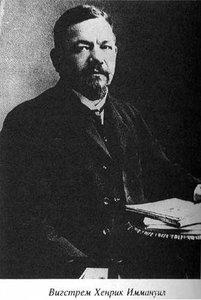
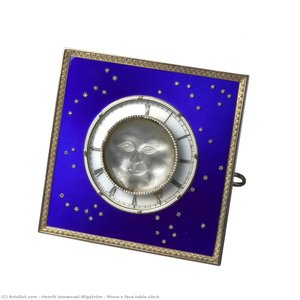
henrik immanuel wigström
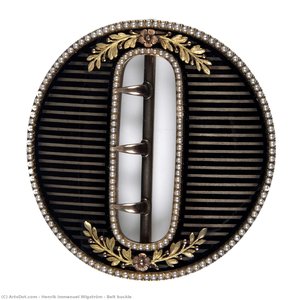
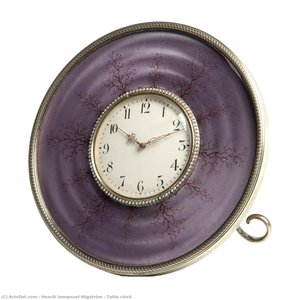
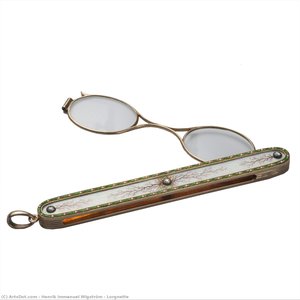
Henrik Immanuel Wigström (1862-1923) was a leading Fabergé workmaster known for exquisite silver & goldsmithing in Louis XVI, Empire, and neoclassical styles. Creator of hardstone animals, figures & flowers. Discover his legacy!

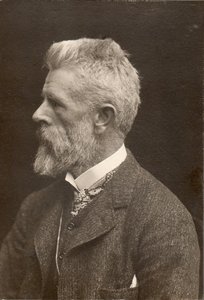
laurits regner tuxen
Laurits Tuxen (1853-1927): Danish painter of royal portraits & Skagen landscapes. Associated with the Skagen Painters, known for vibrant color & light.
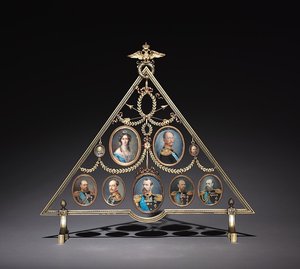
johan victor aarne
Discover Johan Victor Aarne (v.Aarne), a Finnish jeweler & silversmith known for exquisite enameled gold jewelry & photo frames crafted at Fabergé. Explore his legacy!
Related Articles
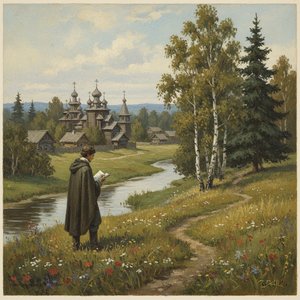
Sergey Solomko: Rediscovering the Poetic Landscape of Old Russia
Explore the captivating world of Sergey Solomko (1867-1928), a master of Russian Art Nouveau. Discover his stunning paintings, illustrations & designs capturing Old Russia's beauty. Hand-painted reproductions available at ArtsDot.
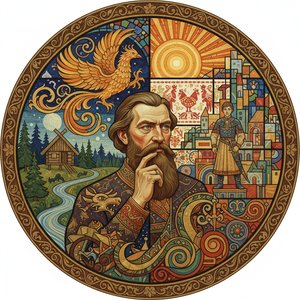
Ivan Bilibin: A Synthesis of Folklore, Modernism & National Identity in Russian Illustration
Explore the enchanting world of Ivan Bilibin, a master Russian illustrator who synthesized folklore, Art Nouveau & national identity. Discover his iconic fairy tale illustrations and legacy with ArtsDot.
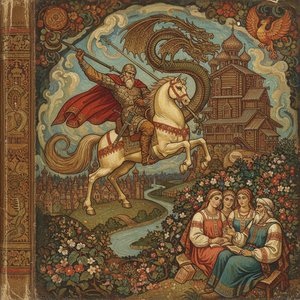
Victor Vasnetsov: Myth, Nationalism & the Revival of Russian Fairy Tale Painting
Explore the captivating world of Victor Vasnetsov, a co-founder of Russian folklorist painting. Discover his iconic works, influence on national identity, and lasting legacy in this expert guide.
List of Artworks


Subscribe to Our Newsletter
Stay updated with the latest art news, exclusive offers, and decoration ideas.
Get 3 Free Art Suggestions
Tell us about your project and our art experts will provide you with 3 personalized art suggestions.
Not Sure Where to Start?
Let Us Curate 3 Options Just for You - Free!