A Life Immersed in Imperial Russia: Solomko’s Early Years and Artistic Formation
Sergey Sergeyevich Solomko, born in Saint Petersburg in 1867, was a product of his time and environment – an era steeped in the romanticism of history and the burgeoning elegance of Art Nouveau. His father, Colonel Sergey Solomko, served within the retinue of Grand Duke Konstantin Nikolayevich, placing the young artist directly within the orbit of Imperial Russia’s aristocratic circles. This upbringing wasn't merely a biographical detail; it profoundly shaped his artistic sensibilities, imbuing his work with an intimate understanding of courtly life and a deep appreciation for the nation’s cultural heritage. Solomko’s formal training began at the Moscow School of Painting, Sculpture and Architecture in 1883, followed by a year auditing classes at the prestigious Imperial Academy of Arts. However, it was his early foray into magazine illustration that truly ignited his career path. This period wasn't simply about earning a living; it provided invaluable experience in narrative composition, meticulous detail, and adapting his style to reach a wider audience – skills that would become hallmarks of his oeuvre.
The Allure of Art Nouveau: Solomko's Signature Style and Recurring Motifs
Sergey Solomko: List of works - All Artworks by Date 1→10 ; Reading - Sergey Solomko. Reading ; Mermaid and faun - Sergey Solomko. Mermaid and faun ; Wedding ...
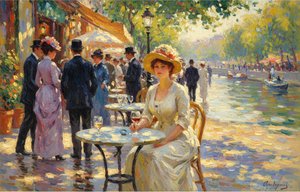
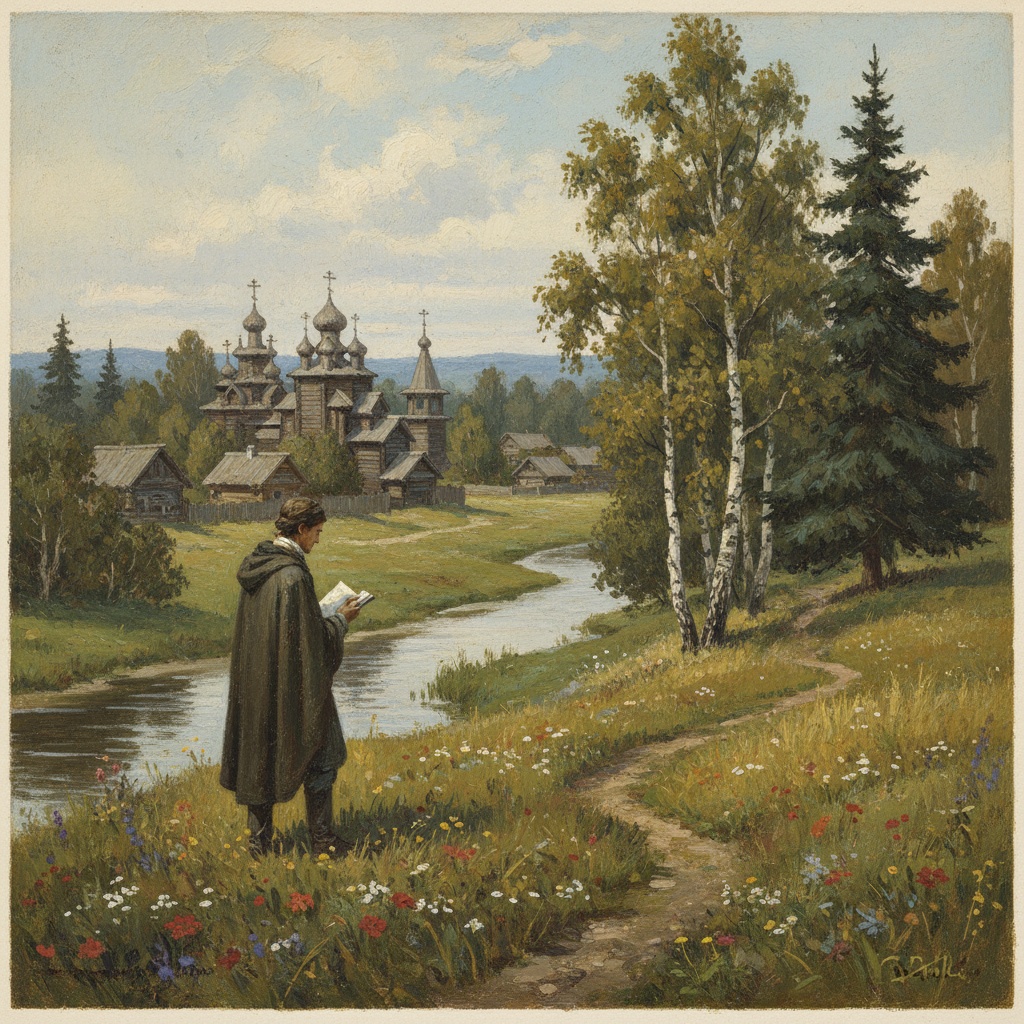
Solomko’s artistic voice blossomed within the embrace of Art Nouveau, a movement characterized by its organic lines, flowing forms, and celebration of natural beauty. While he didn’t adhere rigidly to any single tenet of the style, his work embodies its spirit through a distinctive aesthetic. His paintings are often populated with graceful figures – ethereal maidens, mischievous sprites, and noble huntsmen – rendered with delicate precision and an almost dreamlike quality. Recurring motifs such as flowing hair, stylized foliage, and symbolic animals like goats and swans contribute to the enchanting atmosphere of his compositions. Proud, for example, showcases this perfectly: a serene rural scene brought to life with figures harmoniously integrated into their surroundings, the goat acting not merely as an element of the landscape but as a symbol of pastoral innocence. The influence of Japanese woodblock prints – hugely popular in Europe at the time – is also subtly present in his flattened perspectives and decorative patterns, adding another layer of sophistication to his visual language.
Capturing a Vanishing World: Themes of Rural Life, Folklore, and National Identity
Beneath the surface beauty of Solomko’s art lies a deeper engagement with themes of Russian identity and a poignant sense of nostalgia. His paintings frequently depict scenes of rural life – peasant weddings, festive gatherings, and intimate moments within traditional homes. These weren't simply idyllic representations; they were often imbued with a romanticized vision of a disappearing way of life, threatened by the rapid modernization sweeping across Russia. Pledge of Love, with its delicate portrayal of courtship, exemplifies this sentiment – a tender moment captured in exquisite detail, evoking a sense of longing for simpler times. He also drew heavily on Slavic folklore and mythology, incorporating mythical creatures and traditional costumes into his work, further reinforcing his commitment to preserving Russia’s cultural heritage. This fascination wasn't merely aesthetic; it was a conscious effort to celebrate the nation’s unique spirit in an era of increasing Westernization.
Solomko as Illustrator: Bridging Fine Art and Popular Culture Through Magazine Work & Postcards
While celebrated for his paintings, Solomko’s prolific career as an illustrator played a crucial role in establishing his reputation and reaching a broad audience. He contributed to some of Russia's most prominent magazines – *Север (North)* and, notably, *Нива (Grainfield)* – providing illustrations for classic literary works by Pushkin, Chekhov, and Lermontov. This work demanded versatility and adaptability, forcing him to refine his technique and master the art of visual storytelling. His success in this arena led to a particularly fruitful collaboration with Maison Lapine of Paris, resulting in a popular series of postcards depicting scenes from old Russia. These postcards weren’t merely souvenirs; they were miniature works of art, meticulously detailed and imbued with the same romantic sensibility as his larger paintings. Love of country shall give them the victory, a poignant WWI postcard, demonstrates this perfectly – a powerful image capturing the hope and loss of wartime, disseminated widely through popular culture.
Beyond the Canvas: Costume Design for the Imperial Court and Fabergé Collaboration
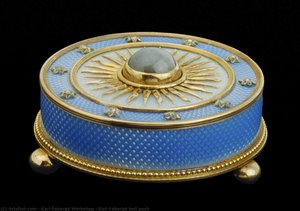
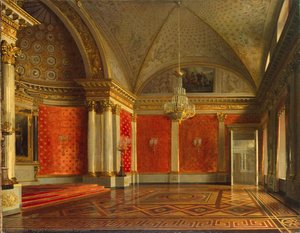
Solomko’s artistic talents extended beyond painting and illustration; he was also a sought-after costume designer. In 1903, he played a pivotal role in the elaborate costumes created for the famous Ball in the Winter Palace, a lavish event showcasing Russia's imperial grandeur. He consulted with experts and produced sketches for historical costumes of breathtaking detail, many adorned with real jewelry. The resulting creations were not only visually stunning but also historically accurate, reflecting his deep understanding of Russian courtly traditions. His collaboration with the House of Fabergé further cemented his reputation as a master craftsman. While details of this work remain somewhat elusive, it’s known that he created models for porcelain pieces, demonstrating his versatility and ability to translate his artistic vision into three-dimensional form.
A Legacy Rediscovered: Solomko’s Enduring Influence and Contemporary Appreciation
Following the Russian Revolution, Solomko's work fell out of favor with the new government. He spent his later years in self-imposed exile in Paris, continuing to exhibit and contribute to Russian magazines while working with fellow émigrés. His art experienced a revival in interest during the 1990s, as scholars began to recognize its unique contribution to Russian Art Nouveau and its poignant depiction of a vanishing world. Today, Solomko’s paintings are celebrated for their exquisite detail, romantic sensibility, and intimate portrayal of Old Russia. His legacy extends beyond his individual works; he represents a generation of artists who sought to preserve their cultural heritage in an era of profound change. At ArtsDot, we are proud to offer high-quality, hand-painted reproductions of Solomko’s masterpieces, allowing you to experience the beauty and artistry of this remarkable artist firsthand.