

 Preview
 Buy Print
 Send
Send Share
Share


 Download
 Similars
 X-Ray
X-Ray Diaporama
The Virgin and Child
 Oil On Canvas
- WallArt
- Baroque Painting
 1670
1670 107.0 x 79.0 cm
 The Wallace Collection
Bartolomé Esteban Murillo (1618 – 1682)
Bartolomé Esteban Murillo (1618-1682) was a celebrated Spanish Baroque painter known for his luminous religious scenes, tender genre paintings, and idealized depictions of everyday life in Seville.
The Wallace Collection (London, United Kingdom)
Step back to Georgian elegance at The Wallace Collection! Explore stunning French art, exquisite furniture & arms in a historic townhouse – a jewel box of 18th-century London.
A Glimpse of Divine Intimacy
Bartolomé Esteban Murillo’s “The Virgin and Child,” painted around 1670, isn't merely a depiction of the Madonna and Child; it’s an immersion into a world of serene grace and profound intimacy. Born in Seville during a period of fervent religious devotion and burgeoning artistic innovation – a time when the city pulsed with both spiritual fervor and the vibrant energy of everyday life – Murillo captured something remarkably rare: a genuine connection between mother and child, rendered with a tenderness that transcends the conventions of formal portraiture. The painting immediately draws the viewer in, not through dramatic gestures or elaborate ornamentation, but through an almost palpable sense of quiet contemplation. It’s a scene stripped bare of artifice, revealing a simple truth – the profound love and unwavering devotion at the heart of this iconic biblical narrative.
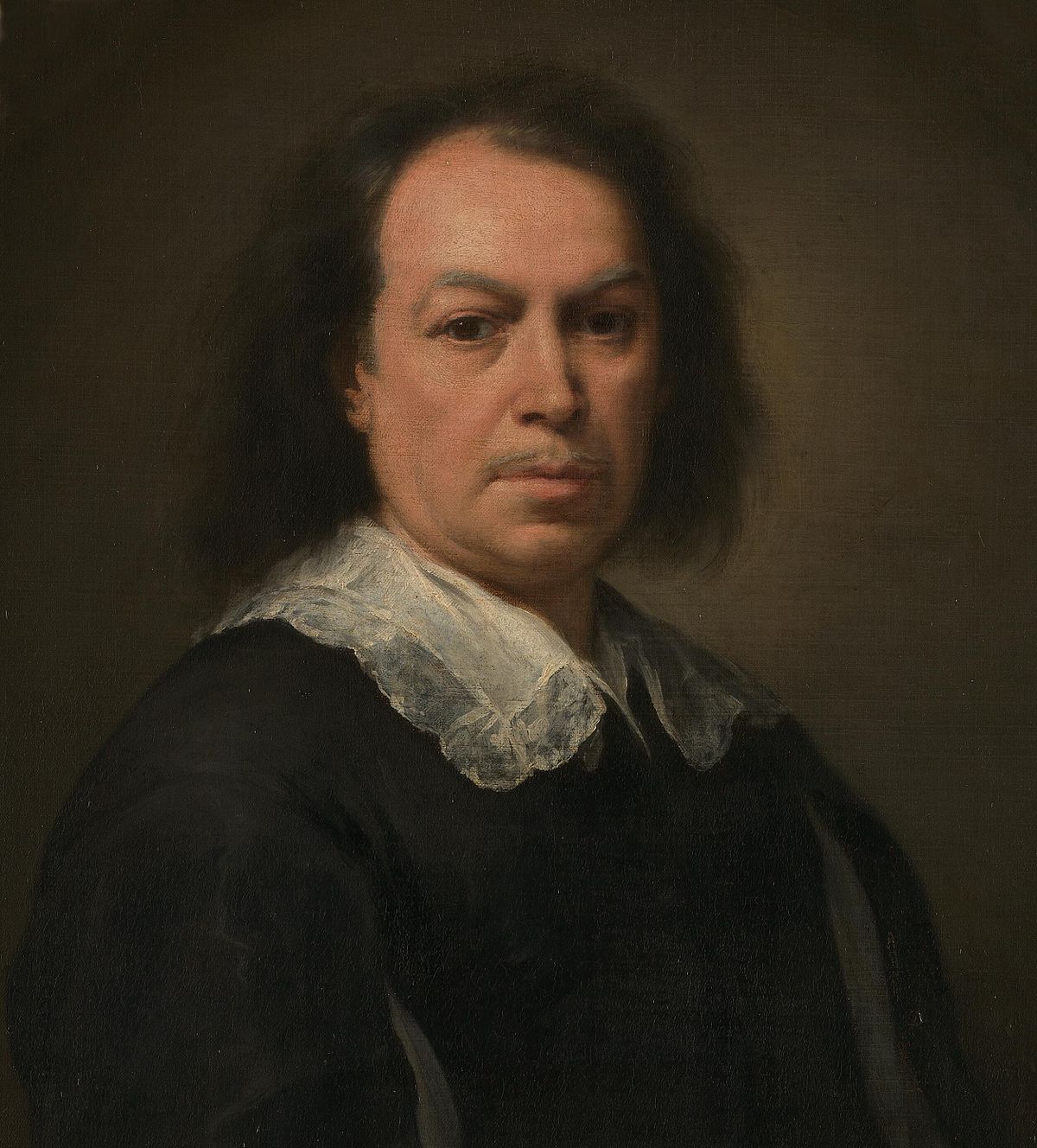
The composition itself is a masterclass in controlled elegance. A triangular arrangement anchors the scene, with Mary seated on what appears to be a simple bench – a deliberate choice that elevates her status without resorting to overtly grand displays of wealth or power. The muted palette—soft blues, gentle pinks, and creamy whites—creates an atmosphere of luminous tranquility. Murillo’s brushwork is remarkably delicate; he employs a technique known as “sfumato,” subtly blurring the edges of forms and creating a sense of atmospheric depth. This isn't the sharp, defined style favored by earlier Baroque masters; instead, it’s a softer, more forgiving approach that emphasizes the emotional resonance of the scene.
The Seville Workshop and Artistic Influences
Murillo’s artistic journey was deeply rooted in the traditions of Seville. He began his training under Juan del Castillo, a local artist known for his meticulous detail and emotionally expressive portraits. However, Murillo quickly absorbed influences from a wider range of sources – the dramatic chiaroscuro (contrast between light and dark) of Francisco de Zurbarán, the refined elegance of Alonso Cano, and even the subtle realism of Flemish masters. The debate surrounding these influences continues to fascinate art historians; some argue that Murillo remained firmly within the Seville tradition, while others suggest he traveled extensively, absorbing artistic techniques from Italy and beyond. Regardless of the precise details, it’s clear that Murillo synthesized these diverse influences into a uniquely personal style – one characterized by its luminous quality, its emphasis on tenderness, and its remarkable ability to capture the essence of human emotion.
- Zurbarán's Influence: Murillo adopted Zurbarán’s use of strong contrasts between light and shadow to create a sense of solemnity.
- Flemish Realism: The subtle modeling of forms, reminiscent of Flemish masters, contributes to the painting’s overall sense of realism.
- Sevillian Tradition: Murillo's work reflects the Seville tradition of depicting religious subjects with a focus on human emotion and everyday life.
Symbolism and Spiritual Depth
Beyond its technical brilliance, “The Virgin and Child” is rich in symbolic meaning. The infant Jesus, swathed in a simple blue cloth, holds a small book – a potent symbol of knowledge and divine wisdom. Mary’s gaze, directed downwards with an expression of gentle affection, suggests humility and devotion. The inclusion of the small angel on the right side of the composition adds another layer of meaning, representing God's watchful presence and his blessing upon this sacred union. The scene itself embodies the core tenets of Christian faith: love, compassion, and the promise of salvation. It’s a reminder that even in the simplest of moments—a mother’s embrace of her child—we can find profound spiritual significance.
A Legacy of Light and Grace
Bartolomé Esteban Murillo's “The Virgin and Child” stands as a testament to his extraordinary talent and his deep understanding of the human spirit. Painted during a pivotal moment in Spanish history, it captures not only the beauty of religious iconography but also the warmth and intimacy of family life. Today, reproductions of this masterpiece continue to inspire awe and admiration, offering viewers a glimpse into a world of divine grace and timeless tenderness. Its enduring appeal lies in its ability to evoke a sense of peace and serenity—a reminder that even amidst the complexities of modern life, we can always find solace in the simple beauty of love and devotion.
About this artwork
- Title: The Virgin and Child
- Artist: Bartolomé Esteban Murillo
- Year: 1670
- Original dimensions: 107.0 x 79.0 cm
- Format: Portrait
- Copyright status: Public domain
- Where to see it: The Wallace Collection
- Medium: Oil On Canvas
- Medium type: WallArt
- Corpus context: social commentary , royal patronage
Quick Facts
- Dimensions: 107 x 79 cm
- Influences:
- Velázquez
- Zurbarán
- Medium: Oil on canvas
- Year: 1670
- Movement: Baroque
- Location: WahooArt Collection
- Style: Religious, Intimate
QR Code


