

 Preview
 Buy Print
 Send
Send Share
Share


 Download
 Similars
 X-Ray
X-Ray Diaporama
vincent van gogh


henri de toulouse-lautrec (1864 – 1901)
Discover Toulouse-Lautrec (1864-1901), Post-Impressionist master of Parisian nightlife! Explore iconic paintings, prints & the bohemian world of Montmartre.
A Moment Frozen in Time: Toulouse-Lautrec’s Van Gogh
Henri de Toulouse-Lautrec's 1887 depiction of a man lost in contemplation offers a poignant glimpse into the Parisian nightlife and artistic currents of the late 19th century. The painting, rendered with Lautrec’s signature bold lines and evocative use of color, isn’t merely a portrait; it’s a carefully constructed tableau capturing a fleeting moment of introspection within a vibrant urban setting. The subject, seated at a table bathed in the soft glow of natural light filtering through a window, embodies a sense of quiet solitude – a characteristic often associated with Lautrec's own observations and artistic focus.
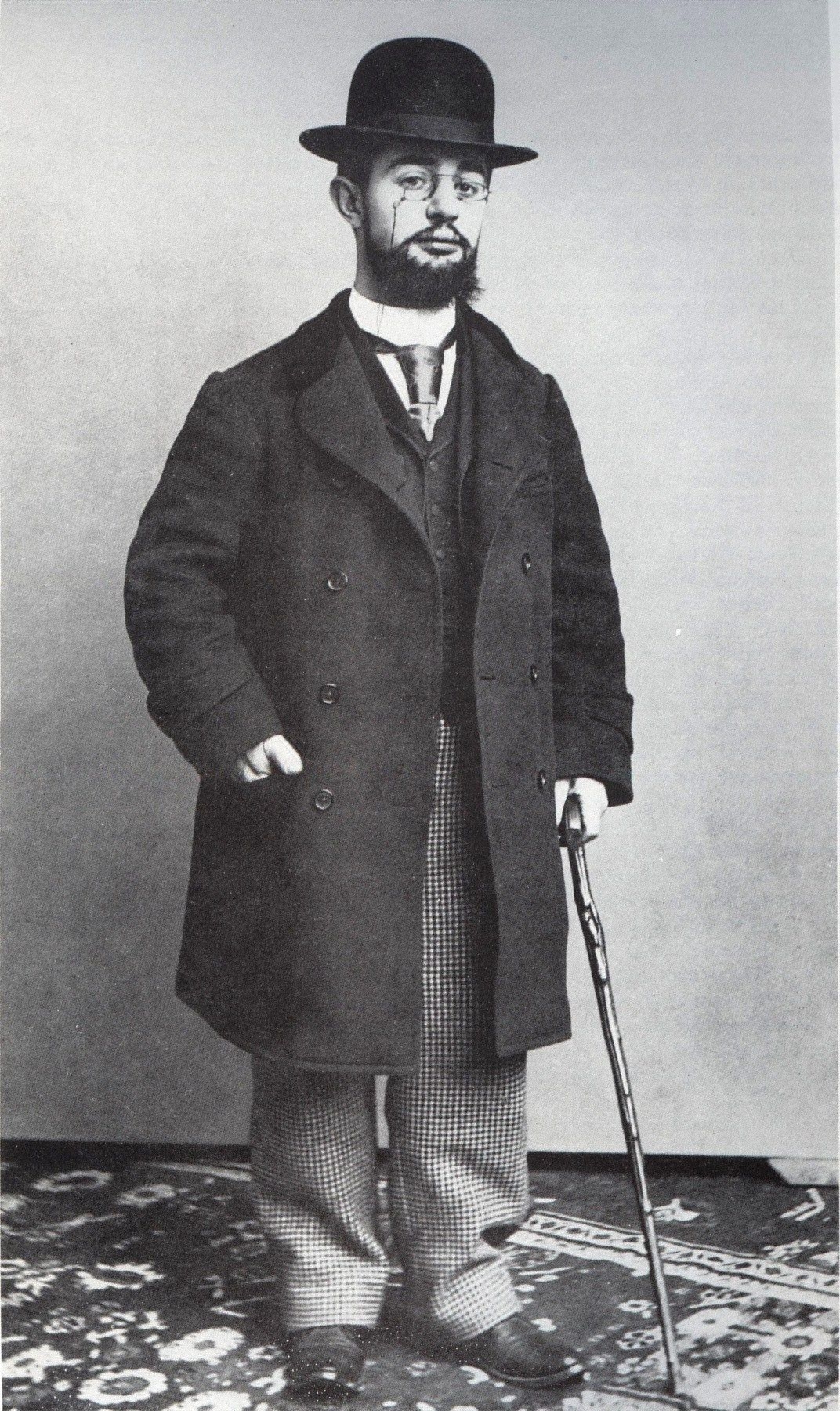
(Image: Henri de Toulouse-Lautrec, ‘Portrait’, 1887)
The Bohemian Heart of Montmartre
Toulouse-Lautrec’s work is inextricably linked to the bohemian atmosphere of Montmartre – a district teeming with artists, performers, and unconventional characters. This particular portrait reflects this environment; the simple dining table, the wine glasses, and the overall composition speak to the relaxed, almost decadent lifestyle favored by many within this artistic community. The scene feels both intimate and slightly detached, mirroring the artist’s fascination with capturing the essence of transient moments and the lives of those living on the fringes of Parisian society. The painting's subject is likely a patron or acquaintance of Lautrec, someone who frequented the cafes and studios of Montmartre.
Born into an aristocratic family grappling with physical challenges – a condition that profoundly shaped his perspective – Toulouse-Lautrec found solace and inspiration in documenting this world. His artistic training provided him with technical skill, but it was his empathy and keen observational abilities that truly defined his style. The painting’s composition, with its carefully placed objects and the subject's gaze directed towards the window, invites the viewer to share in his contemplative state.
Technique and Style: Lautrec’s Distinctive Vision
Lautrec’s technique is immediately recognizable. He employs a loose, expressive brushstroke, particularly evident in the rendering of the fabrics and shadows. The color palette – dominated by muted browns, blues, and greens – contributes to the painting's somber mood, yet punctuated with highlights that draw attention to key elements like the wine glasses and the man’s face. His use of line is equally important; strong, confident lines define the forms while softer strokes create a sense of atmosphere and movement. This style aligns him within the Post-Impressionist movement, sharing affinities with artists such as Van Gogh and Gauguin, though Lautrec developed a uniquely Parisian sensibility.
Symbolism and Emotional Resonance
Beyond its technical merits, the painting carries a subtle symbolic weight. The man’s posture – leaning forward slightly, lost in thought – suggests a yearning for escape or perhaps simply a moment of respite from the bustling city outside. The wine glasses hint at indulgence and conviviality, yet the overall mood is one of quiet melancholy. This duality—the allure of pleasure juxtaposed with the awareness of solitude—is a recurring theme in Lautrec’s work and resonates deeply within the viewer. The painting's enduring appeal lies not just in its aesthetic qualities but also in its ability to evoke a sense of human vulnerability and the universal desire for peace and contemplation.
About this artwork
- Title: vincent van gogh
- Artist: henri de toulouse-lautrec
- Year: 1887
- Format: Portrait
- Copyright status: Public domain
- Medium: Acrylic On Canvas
- Color palette: Earthy
- Main color: Gray
- Purpose: Statement
- Keywords: decorative arts , bearded figure , montmartre
Quick Facts
- Subject or theme: Portraiture, Leisure
- Movement: Post-Impressionism
- Notable elements: Bold colors, brushwork
- Location: Private Collection
- Artist: Vincent van Gogh
- Artistic style: Expressionist
- Title: Vincent van Gogh
QR Code


