

 Preview
 Buy Print
 Send
Send Share
Share


 Download
 Similars
 X-Ray
X-Ray Diaporama
The Last Judgement (detail)

A Netherlandish Enigma: The Genesis of a Surreal Masterpiece
Hieronymus Bosch, born around 1450 in the bustling and religiously fervent town of ’s-Hertogenbosch in Brabant, remains one of art history’s most enduring enigmas. His life, shrouded in fragmented records and whispered speculation, only adds to the allure surrounding his profoundly unsettling and remarkably prescient artistic vision. Emerging from a family steeped in painting tradition – his grandfather and father both practiced the craft – Bosch quickly diverged from established conventions, hinting at an extraordinary imagination that would blossom into a body of work unlike any other. The late medieval world, rife with anxieties about sin, mortality, and divine judgment, provided fertile ground for his unique explorations. ’s-Hertogenbosch itself, a city scarred by a devastating fire in 1463, likely fueled the apocalyptic imagery that would dominate his oeuvre – a tangible reminder of human vulnerability and the potential for destruction.
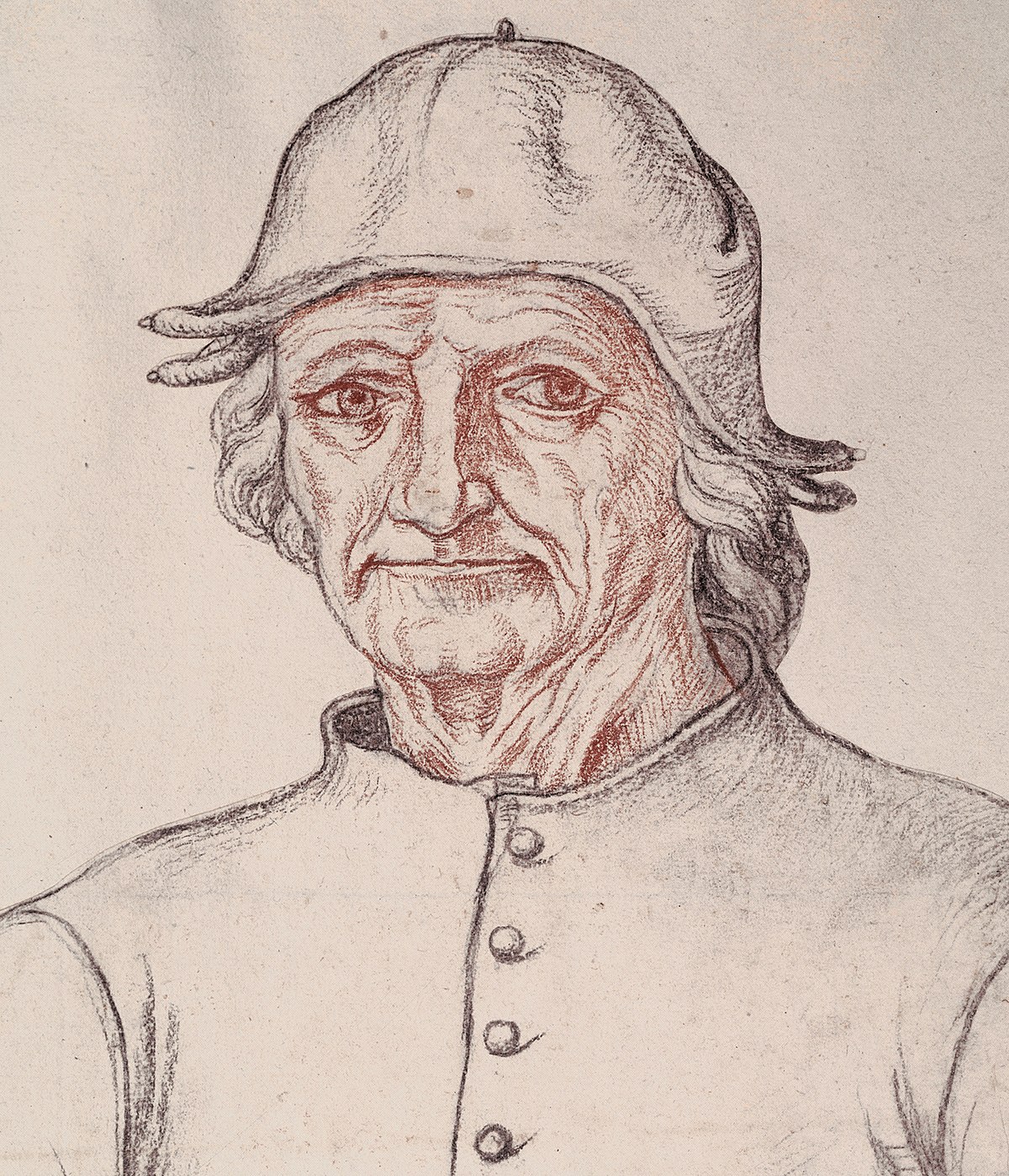
The Spectacle of Hell: A Detailed Examination
“The Last Judgement,” a detail from one of Bosch’s most monumental triptychs, is not merely a depiction of divine retribution; it's an immersive descent into the darkest recesses of human psychology. The painting explodes with a chaotic energy—a swirling vortex of grotesque figures engaged in bizarre rituals and horrifying acts. Angels and demons clash amidst a landscape populated by hybrid creatures – part animal, part human, often imbued with unsettling symbolism. Birds, scattered throughout the scene, add to the sense of movement and unease, suggesting both divine judgment and the fleeting nature of earthly existence. The sheer density of detail is astonishing; every corner reveals a new layer of meaning, inviting endless contemplation.
- Compositional Chaos: Bosch deliberately eschews traditional hierarchical arrangements, creating a sense of overwhelming scale and disorientation.
- Symbolic Bestiary: The creatures inhabiting Hell are not simply monstrous; they represent specific sins and vices – gluttony, lust, greed, envy—rendered in vivid, unforgettable imagery.
- Technique & Materials: Bosch’s masterful use of oil paint on oak wood allows for incredible detail and texture, contributing to the painting's tactile quality and unsettling realism. The layering of colors creates a sense of depth and atmosphere, drawing the viewer into this nightmarish realm.
Decoding the Symbols: A Journey Through Moral Allegory
Bosch’s work is saturated with symbolism, inviting viewers to engage in a complex process of interpretation. The central panel of “The Last Judgement” depicts not just punishment but also a critique of human behavior. The figures engaged in debauchery and self-indulgence are not simply damned; they are embodiments of the vices that lead to spiritual decay. The presence of instruments of torture, such as spiked wheels and boiling cauldrons, underscores the severity of divine judgment. Yet, amidst this horror, there’s a strange sense of fascination—a recognition of our own capacity for darkness. The inclusion of seemingly innocuous objects – musical instruments, hunting scenes – further complicates the narrative, suggesting that even pleasure can be corrupted by sin.
The triptych format itself is significant. The exterior panels depict scenes from everyday life and the Garden of Eden, offering a stark contrast to the horrors revealed within. This juxtaposition highlights the fall from grace and the consequences of human choices. Bosch’s intention was not simply to frighten but to provoke reflection on morality and the nature of humanity.
A Lasting Legacy: Influence and Interpretation
Hieronymus Bosch's “The Last Judgement” continues to captivate and disturb viewers centuries after its creation. His unique blend of realism, fantasy, and moral allegory has profoundly influenced generations of artists, from Pieter Bruegel the Elder to Surrealists like Salvador Dalí and Max Ernst. ArtsDot’s meticulously crafted hand-painted reproductions offer a chance to experience this iconic masterpiece in stunning detail, allowing you to delve deeper into its complex symbolism and appreciate Bosch's unparalleled artistic genius. Whether as a collector’s prized possession or an element of sophisticated interior design, a reproduction of “The Last Judgement” serves as a potent reminder of humanity’s eternal struggle between good and evil.
Hieronymus Bosch (1450 – 1516)
Discover Hieronymus Bosch (c. 1450-1516), Dutch Renaissance master of surrealism & symbolism. Explore his iconic paintings, religious themes, and nightmarish visions – a lasting influence on art history.
About this artwork
- Title: The Last Judgement (detail)
- Artist: Hieronymus Bosch
- Format: Panoramic
- Copyright status: Public domain
- Medium: Oil On Panel
- Medium type: WallArt
- Corpus context: morality , religious
- Color palette: Earthy
- Purpose: Statement
- Keywords: demons , last judgement , vibrant colors
Quick Facts
- Medium: Oil on oak panel
- Influences: Late Medieval
- Year: 1482
- Artist: Hieronymus Bosch
- Subject or theme: Hell, Salvation, Apocalyptic
- Movement: Early Netherlandish
- Location: Academy of Fine Arts, Vienna
QR Code


