

 Preview
 Buy Print
 Send
Send Share
Share


 Download
 Similars
 X-Ray
X-Ray Diaporama
Five Studies for the Figure of Haman (recto)
 Chalk
Chalk- High Renaissance
 1512
1512- Early Medieval
 251.0 x 202.0 cm
 Teylers Museum
Michelangelo Buonarroti (1475 – 1564)
Michelangelo (1475-1564): Explore the Renaissance master's iconic sculptures like David & Pietà, breathtaking Sistine Chapel frescoes, and lasting impact on art history!
Teylers Museum (Haren, Netherlands)
Explore Teylers Museum in Haarlem, Netherlands – the oldest museum! Discover art, science & natural history treasures from the Enlightenment era in a beautifully preserved historic setting. Founded in 1778.
Michelangelo’s Intimate Exploration: Unveiling “Five Studies for the Figure of Haman”
Within the vast and awe-inspiring legacy of Michelangelo Buonarroti, few works offer such a profound glimpse into his creative process as "Five Studies for the Figure of Haman." Completed in 1512 during his tenure preparing the Sistine Chapel ceiling, this unassuming chalk drawing transcends its humble materials to reveal an artist wrestling with complex themes of morality, judgment, and human nature. More than just preparatory sketches, these studies represent a deeply personal investigation into one of the Bible’s most chilling villains – Haman, the architect of Esther's tragic fate – and offer a rare window into Michelangelo’s meticulous approach to monumental art.
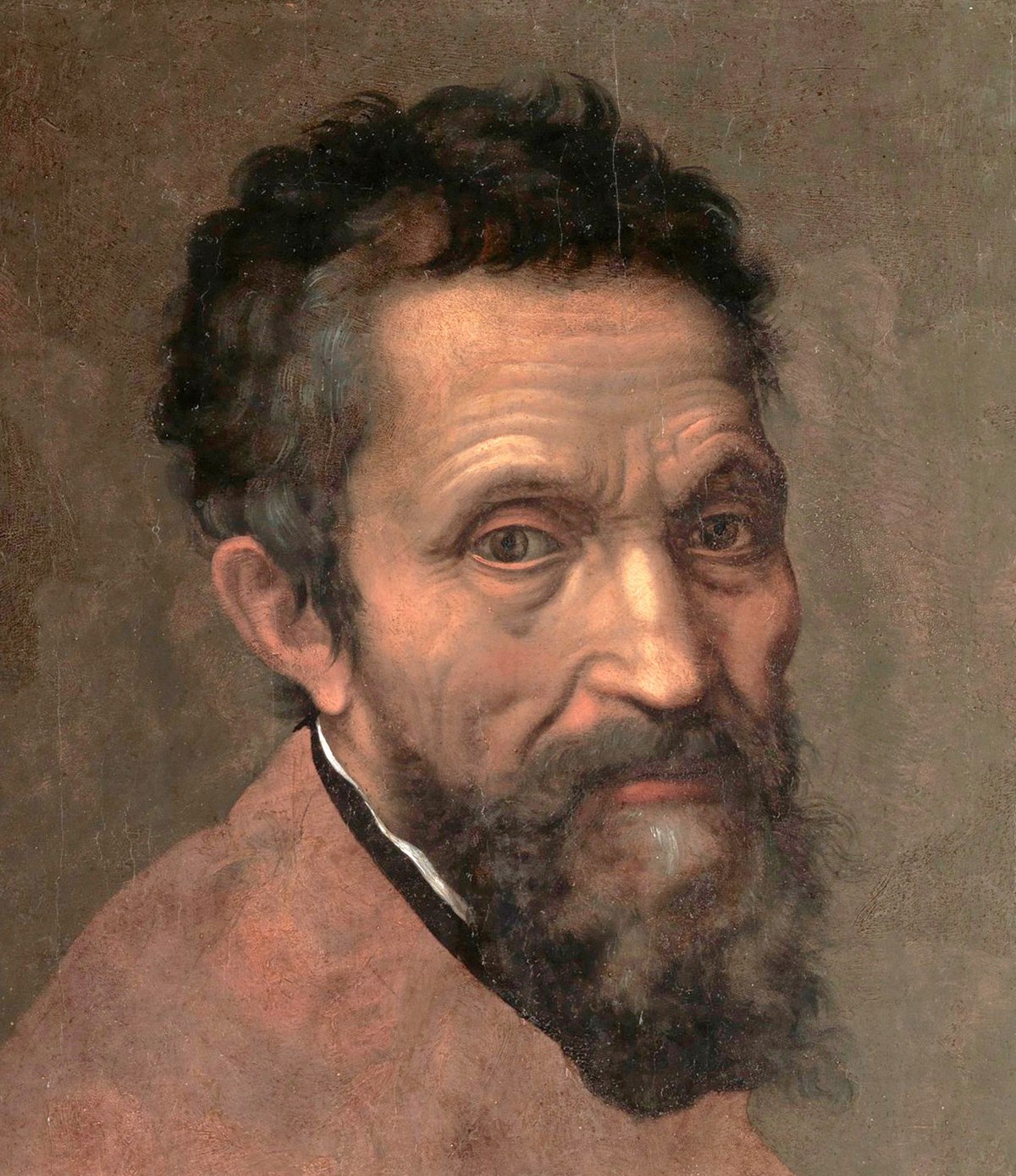
The drawing itself is deceptively simple: five studies arranged around a central depiction of Haman’s face and torso, accompanied by four smaller sketches exploring various aspects of his form. Executed entirely in chalk on paper – a remarkably delicate medium for such a powerful subject – the work showcases Michelangelo's unparalleled ability to capture not just physical likeness but also the subtle nuances of emotion and psychological tension. The use of varying tonal values, achieved through layering and manipulating the chalk, creates a remarkable sense of depth and volume, hinting at the dramatic narrative unfolding within the larger fresco.
The Anatomy of Doubt: Symbolism and Moral Weight
Michelangelo’s fascination with Haman wasn't merely artistic; it was profoundly intellectual. The biblical story of Esther is rife with moral dilemmas – a tale of betrayal, political intrigue, and divine justice. By meticulously studying Haman’s features, Michelangelo forces the viewer to confront the darkness within human nature. The studies aren’t simply anatomical exercises; they are explorations of guilt, despair, and the consequences of unchecked ambition. The positioning of Haman's figure, often angled towards an unseen audience, suggests a confrontation with judgment – a silent plea for mercy that resonates across centuries.
Furthermore, the drawing’s placement within the broader context of the Sistine Chapel is crucial. Haman’s execution serves as a stark counterpoint to the central image of God creating Adam, highlighting the themes of sin and redemption. The deliberate juxtaposition underscores Michelangelo's ambition to create not just a beautiful but also a profoundly meaningful visual narrative.
Technique and Process: A Master at Work
Michelangelo’s mastery is immediately apparent in the drawing’s remarkable detail and expressive quality. He employed a technique of ‘red chalk,’ layering thin lines to build up tonal values, creating a sense of both solidity and fragility. The studies demonstrate an extraordinary level of observation – capturing not just the surface appearance but also the subtle musculature and bone structure beneath. The verso of the sheet reveals preliminary sketches for a male head and other figures, demonstrating Michelangelo’s habit of working through multiple iterations before settling on his final vision.
The drawing's provenance is equally fascinating, tracing back to the Casa Buonarroti in Florence – Michelangelo’s family home. This connection adds another layer of intimacy to the work, suggesting that these studies were not merely professional preparations but also personal reflections on a challenging subject. The presence of a watermark indicates it was likely copied by a French draughtsman during the 16th century, highlighting the enduring appeal and influence of Michelangelo’s artistic vision.
Bringing “Five Studies for the Figure of Haman” to Your Space
ArtsDot.com offers meticulously crafted hand-painted reproductions of this extraordinary artwork, allowing you to experience Michelangelo's genius in stunning detail. Whether displayed as a statement piece in a grand salon or incorporated into a more intimate setting, this drawing’s powerful symbolism and technical brilliance will undoubtedly captivate viewers. Our reproductions faithfully capture the original’s nuanced tonal values and expressive quality, ensuring that you own a truly exceptional work of art – a tangible connection to one of history's greatest creative minds.
About this artwork
- Title: Five Studies for the Figure of Haman (recto)
- Artist: Michelangelo Buonarroti
- Year: 1512
- Original dimensions: 251.0 x 202.0 cm
- Format: Portrait
- Copyright status: Public domain
- Where to see it: Teylers Museum
- Movement: High Renaissance
- Medium: Chalk
- Period: Early Medieval
Quick Facts
- Year: 1512
- Medium: Red chalk on paper
- Dimensions: 251 x 202 cm
- Artist: Michelangelo Buonarroti
- Notable elements: Multiple studies of Haman
- Artistic style: Renaissance
- Title: Five Studies for the Figure of Haman
QR Code


