 Preview
 Send
Send Share
Share
 Details

 Download
 Similars
 X-Ray
X-Ray Diaporama
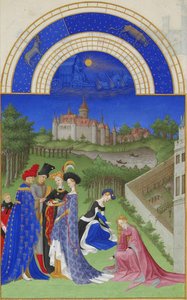
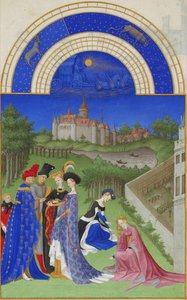
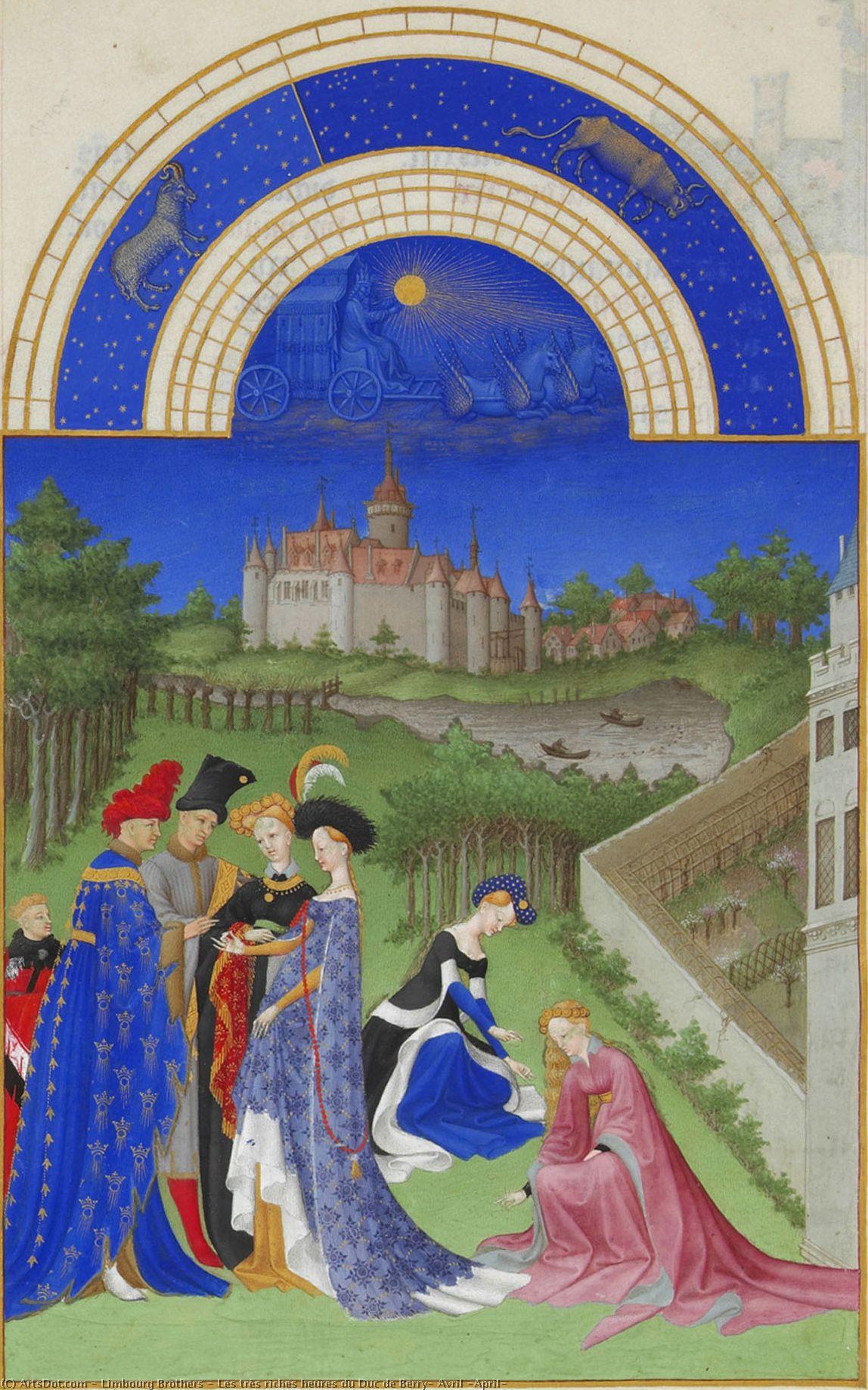
Les très riches heures du Duc de Berry: Avril (April)
 Manuscript
- WallArt
- International Gothic
 1412
1412- Late Medieval
 225.0 x 136.0 cm
 Condé Museum
 Read More
Hand Made Oil Reproduction
Hand-painted oil on canvas in your size and frame, made to order by our artists. ( Buy Print Buy Image)




P118B $10

P118H $10

P118W $10

P438Z $10

P508JH $12

P508YH $12

P805H $10

P805Z $10

P919BZ $10

P919G $10

P919XJ $10

P959ZH $10

P968JZ $12

W106C $8

W218G $10

W218JH $8

W218Y $10

W307PJ $10

W316G $10

W316PJ $8

W316Y $10

W398PJ $8

W4111J $10

W500HY $15

W500JH $15

W692G $12

W849H $8

W940BG $15

W953PJ $8




Pick from our preset sizes that match the artwork's original proportions.

You may enter your own dimensions to fit a specific frame or space. If your selected size does not match the original image's proportions, we will either crop the artwork or extend the painting with additional hand-painted elements. A digital mockup will be sent for your approval before production begins.
Please note that the on-screen preview does not reflect the actual cropping or extension. Only the mockup will accurately show the final composition.
While custom sizes are available, we recommend selecting a dimension from the predefined list to preserve the original proportions.
After order, ArtsDot.com team will email client for instructions and provide a mockup preview
Worldwide Delivery () in 3/4 weeks instead of standard 5 weeks. (25 August). No compromise on quality.

Free Worldwide Express Shipping

High-Quality Linen Canvas

Full Shipping Insurance

Customs Tax Refund Guarantee

True Color Matching Guarantee

60-Day Return Policy (Defects Only)

100% Money-Back Guarantee

Bulk Discount Offer
 Glass option is only available in size under 110 CM

Les très riches heures du Duc de Berry: Avril (April)
Reproduction Medium
Reproduction Size
-


Total Price
$ 263
Artwork Description
A Window into the Medieval Spring
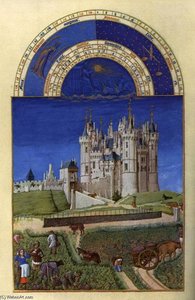
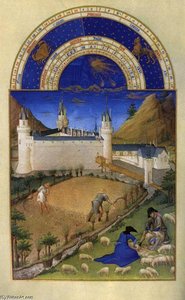
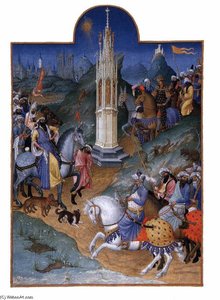
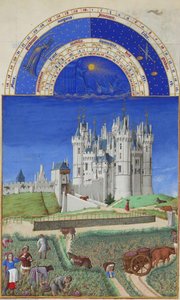
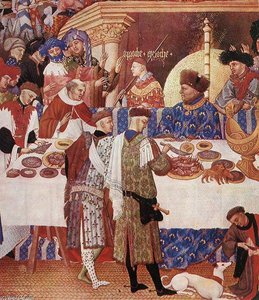
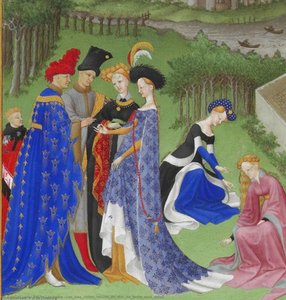
Step into the luminous dawn of the fifteenth century with Les très riches heures du Duc de Berry: Avril, a breathtaking masterpiece that captures the very essence of rebirth. Created around 1412 by the legendary Limbourg brothers, this illumination serves as more than just a calendar page; it is a vibrant portal into a lost world of chivalry and natural splendor. The scene unfolds with an exquisite tenderness, depicting a pastoral symphony where the arrival of April is celebrated through both human devotion and the awakening of the earth. As you gaze upon the delicate figures kneeling in prayerful grace, you are transported to a time when the rhythms of the seasons were deeply intertwined with the spiritual life of the nobility.The Mastery of International Gothic Technique
The artistry of the Limbourg brothers shines through in every meticulous stroke of this miniature marvel. Utilizing the refined techniques of International Gothic illumination, the artists achieved a level of detail that remains staggering even by modern standards. The composition is anchored by a breathtaking sense of depth, leading the magnificent eye from the intimate foreground—where figures in rich blue and earthen robes gather—toward the soaring spires of a distant, majestic castle. The sky, a brilliant and clear azure, provides a serene backdrop that illuminates the delicate textures of the landscape. Notice the subtle interplay of light upon the clothing and the lifelike presence of birds caught in mid-flight, elements that imbue the work with a sense of breathing, living motion.Symbolism and Eternal Elegance
For the discerning collector or interior designer, this piece offers an unparalleled opportunity to introduce a sense of historical prestige and tranquil beauty into a contemporary space. The symbolism within Avril is profound; the blooming flora and the communal gathering represent fertility, hope, and the cyclical renewal of life. It is a work that speaks of continuity and the enduring elegance of the human spirit. Whether placed in a sunlit study or as a focal point in a grand salon, this reproduction brings with it the quiet dignity of the Middle Ages. The interplay between the earthly toil of the peasants and the distant, untouchable grandeur of the castle serves as a poignant reminder of the social tapestry that once defined European life, making it a conversation piece of immense intellectual and aesthetic depth.Related Artworks
Artist Biography
The Masters of Light and Miniature
In the twilight of the Middle Ages, a trio of brothers from the Dutch city of Nijmegen emerged to redefine the boundaries of visual storytelling. Herman, Paul, and Jean de Limbourg, known collectively as the Limbourg Brothers, were not merely painters but architects of miniature worlds. Born into a lineage of skilled craftsmen, their early lives were shaped by the vibrant artistic currents flowing between the Netherlands, France, and Burgundy. Though their lives were tragically brief—all three passing away around 1416—the impact of their work remains an eternal cornerstone of the International Gothic style. Their artistry represents a pivotal moment in art history, where the rigid structures of medieval iconography began to yield to a more profound exploration of light, atmosphere, and human emotion.
The brothers' journey was one of both immense privilege and sudden hardship. While their uncle’s connections facilitated apprenticeships in the prestigious workshops of Paris, they also faced the perils of the era, including imprisonment during political conflicts in Brussels. Yet, it was through these trials that their resilience and talent were forged. Their early training under goldsmiths instilled in them a meticulous precision, a quality that would later allow them to manipulate pigments with a delicacy that mimicked the luster of precious metals. This technical mastery became the foundation upon which they built their most celebrated achievements, transforming the flat surfaces of vellum into windows of breathtaking depth.
A Legacy Written in Gold and Azure
The true genius of the Limbourg brothers lies in their ability to breathe life into the sacred and the secular through the medium of illuminated manuscripts. Their work was characterized by an unprecedented attention to detail, where every fold of a silken robe and every blade of grass in a pastoral landscape was rendered with obsessive care. They were masters of the International Gothic aesthetic, a style that sought to harmonize the elegance of courtly life with a burgeoning interest in naturalism. In their hands, the margins of a book were no longer mere decorations but became living ecosystems of flora and fauna, swirling around biblical narratives with a rhythmic grace.
Their most enduring contributions are found within the pages of legendary manuscripts that continue to captivate scholars and art lovers alike:
- The Très Riches Heures du Duc de Berry: Perhaps the most famous illuminated manuscript in existence, this work showcases their ability to capture the changing seasons, the splendor of aristocratic life, and the subtle shifts of light across a landscape.
- The Belles Heures of Jean, Duke of Berry: A testament to their technical evolution, this manuscript reveals a growing sophistication in their use of color and a deeper, more emotive approach to religious storytelling.
- Biblical Narratives: Through works such as Job Mocked by His Friends and Christ in Glory, the brothers demonstrated an ability to convey profound theological truths through dramatic composition and symbolic richness.
The Dawn of a New Visual Language
As we look back upon the short but brilliant era of the Limbourg brothers, we see more than just beautiful decorations; we witness the seeds of the Northern Renaissance. Their innovation lay in their pursuit of pictorial space—the attempt to create an illusion of three-dimensional depth on a two-dimensional plane. By experimenting with atmospheric perspective and the way light interacts with different textures, they paved the way for the great Flemish masters who would follow. They moved away from the static, symbolic figures of the early medieval period toward characters that felt inhabited by breath and spirit.
The historical significance of their work extends far beyond the courts of Burgundy. The Limbourg brothers captured a world in transition, documenting the splendor of the late medieval aristocracy while simultaneously pushing the technical limits of what could be achieved with brush and pigment. Their legacy is one of luminous beauty and technical audacity, reminding us that even within the smallest margins, an artist can contain the entire universe. Through their delicate strokes, they ensured that the brilliance of the 15th century would never truly fade from the collective memory of humanity.
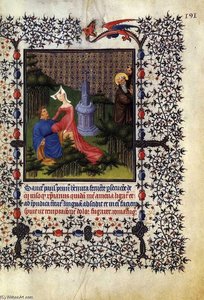
limbourg brothers
1385 - 1416 , Netherlands
Quick Facts
- Artistic Movement Or Style: International Gothic
- Date Of Birth: c. 1385
- Date Of Death: 1416
- Full Name: Herman, Paul, and Jean de Limbourg
- Nationality: Dutch
- Notable Artworks:
- Très Riches Heures du Duc de Berry
- Belles Heures of Jean, Duke of Berry
- Job Mocked by His Friends
- Christ in Glory
- Place Of Birth: Nijmegen, Netherlands
Related Articles

Slate Blue Masterpieces: 10 Iconic Paintings & Timeless Home Decor Ideas
Immerse yourself in the captivating world of slate blue! Explore 10 iconic paintings by Monet, Van Gogh & Renoir. Discover their stories, techniques & find museum-quality art reproductions for your home at .

Romantic Landscapes: 10 Masterpieces for Your Home | ArtsDot
Journey through 10 Romantic landscape masterpieces by Friedrich, Turner & Cole. Explore emotional art, sublime nature scenes & iconic 19th-century paintings. Find museum-quality reproductions for your home at ArtsDot.com – discover the full collection online!

John Constable's Masterpieces: Explore 25 Iconic Landscapes for Your Home
Journey through John Constable's 25 most celebrated landscapes. Explore Romanticism, Dedham Vale & his masterful use of light in iconic paintings like 'Hay Wain'. Find museum-quality art reproductions and elevate your home decor on ArtsDot.com.
The Allure of Azure: Exploring the Symbolic & Aesthetic Depths of Blue in Art History
Explore the rich history of blue in art! Discover its symbolism, from ancient pigments to modern masterpieces by Kandinsky & Seurat. Uncover the psychological impact and cultural meanings behind this captivating hue.

Evocations of Place: A Historical Journey Through Landscape Art
Explore the rich history of landscape art with ArtsDot. Discover renowned artists, movements like Impressionism & Romanticism, and expert guidance for collecting timeless pieces. Find your perfect serene escape today!