Showing 24 artworks out of 105 with Albrecht Dürer and with Symbolism

-
Albrecht Dürer
-
Symbolism
Not available for this selection
- Northern Renaissance
- German Renaissance
- Renaissance Engraving
- Northern Renaissance Engraving
- High Renaissance Symbolism
- German Renaissance German Renaissance
- Northern Renaissance Printmaking
- Northern Renaissance Woodcut
- Renaissance
- Renaissance Renaissance
- Renaissance German
- Renaissance Humanism
- Renaissance Master’S Legacy
- Renaissance Realism
- Renaissance Scientific Illustration
- Renaissance Symbolism
- Mannerism
- See all
- Gray
- Espresso
- White
- Rosy Brown
- Putty
- Celadon
- Quinacridone Magenta
- Driftwood
- Phthalo Green
- Clay
- Mahogany
- Sap Green
- Black
- Symbolism
- Dürer
- Albrecht Dürer
- Renaissance
- Detail
- Engraving
- Renaissance Art
- Northern Renaissance
- Albrecht
- German Art
- Printmaking
- Art
- Black And White
- Woodcut
- Monochrome
- Medieval Art
- Religious Art
- Portrait
- German Renaissance
- Religious Iconography
- Religious
- 16Th Century
- Medieval
- Line Work
- Portraiture
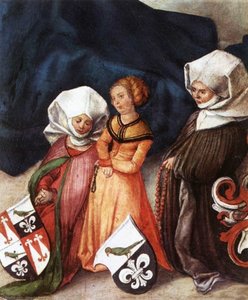
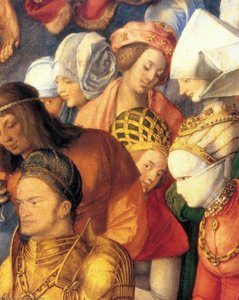
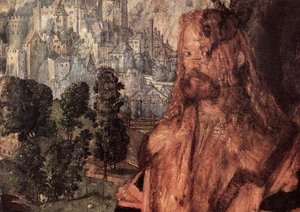
Discover Albrecht Dürer's 'Paumgartner Altar (detail)' – a stunning Renaissance masterpiece featuring Nativity, St. George & Eustace. Explore intricate details and symbolism in this iconic woodcut.
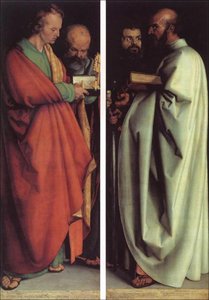
Albrecht Dürer’s “The Four Holy Men,” completed in 1526, embodies Christian piety and intellect through meticulous etching—a monumental print reflecting the Reformation's humanist ideals.
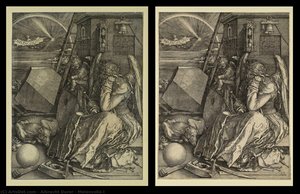
Explore Albrecht Dürer's 'Melencolia I,' a haunting engraving embodying artistic struggle & melancholy. Discover symbolism, techniques, and its lasting influence on art history.
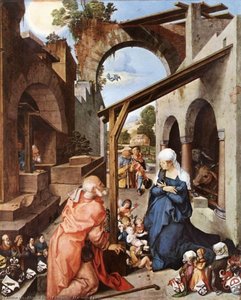
The Paumgartner Altarpiece by Albrecht Dürer is a monumental woodcut engraving depicting Saint Jerome praying before the Virgin Mary and Saint Augustine, embodying Renaissance piety and masterful printmaking technique—a cornerstone of German art history.
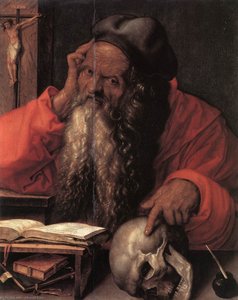
St. Jerome in His Study by Albrecht Dürer (1521) depicts St. Jerome contemplating a skull, symbolizing mortality and spiritual reflection. This iconic Renaissance portrait showcases meticulous detail and symbolism within a serene composition featuring a book, cup, and cross.
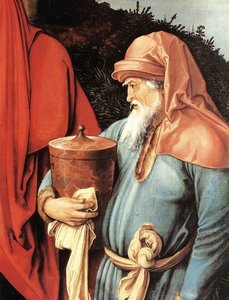
Page of Lamentation for Christ (detail) by Albrecht Dürer in the Web Gallery of Art showcases a poignant depiction of grief and mourning, featuring two figures amidst a serene landscape reminiscent of Jerusalem.
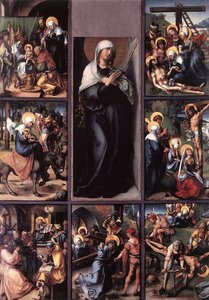
Albrecht Dürer's "The Seven Sorrows of the Virgin," completed in 1496, stands as a monumental achievement of German Renaissance art—a testament to meticulous craftsmanship and profound spiritual contemplation. Explore this iconic engraving depicting Mary Magdalene’s grief and its significance within humanist ideals.
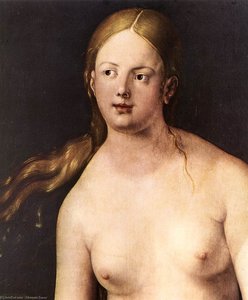
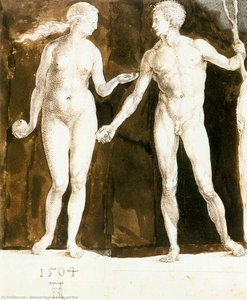
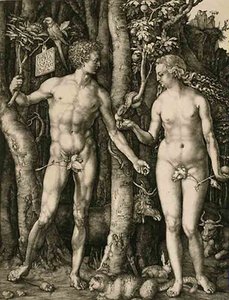
Albrecht Dürer's 'Adam and Eve' (1504) is a masterful woodcut depicting the biblical story with Renaissance ideals, classical proportions, and symbolic elements reflecting German identity & Christian themes.
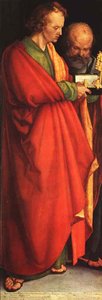
Discover Albrecht Dürer's 'The Four Apostles,' a masterpiece of Renaissance art! Explore its symbolism, intricate details & historical significance within the Alte Pinakothek museum.
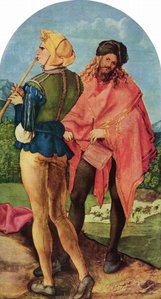
Admire Albrecht Dürer's 'Drummers and Pipers,' a masterful depiction of two figures against a dramatic mountainous landscape—a cornerstone of Renaissance art, now available as stunning museum-quality reproductions at ArtsDot.com.
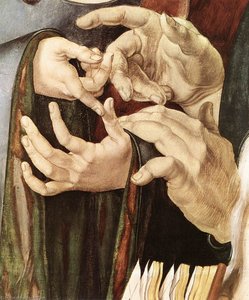
Albrecht Dürer's 'Christ Among the Doctors' is an oil painting created in 1506, showcasing Jesus surrounded by scholars debating scripture. Influenced by Leonardo da Vinci and Mantegna, it exemplifies Northern Renaissance art with its dynamic composition and expressive use of color—a captivating piece for your home.
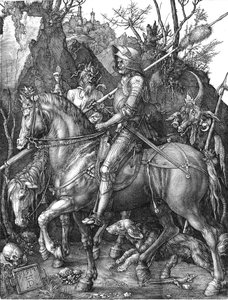
A monumental engraving by Albrecht Dürer depicting a knight battling death and the devil – an allegory of faith confronting mortality and temptation, showcasing unparalleled detail and masterful technique.
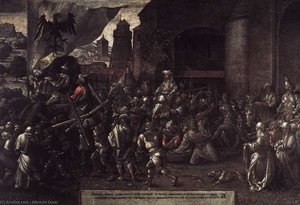
Admire Albrecht Dürer's "Way to Calvary," a poignant depiction of Jesus Christ's crucifixion—a masterpiece of German Renaissance art reproduced in stunning detail at ArtsDot.
Witness Albrecht Dürer's masterpiece, 'Feast of the Rose Garlands'! Explore intricate details, religious symbolism & Northern Renaissance artistry in this iconic oil painting from 1506.