Showing 7 artworks with Alexej Von Jawlensky and with 1921 and with 19th Century
-
Alexej Von Jawlensky
-
1921
-
19th Century
Not available for this selection
- Gray
- Putty
- Espresso
- Mahogany
- Expressionism
- Painting
- Emotion
- Jawlensky
- Abstract
- 1921
- Portrait
- Color
- Russian Art
- Savior'S Face
- Russia
- Iconography
- Red
- Blue Rider
- Alexej
- Distortion
- Symbolism
- Early 20Th Century
- Yellow Background
- Resilience
- Red Nose
- Color Field
- Guardian Temple
- Green
- Blue
- Rest Light
- New Munich
- Nose
- Alexej Von Jawlensky
- Art
- And Perhaps
- German Art
- Red Dots
- Renunciation
- Dominantly Blue (Various Shades)
- Starlight
- Oil On Canvas
- Savior’S Face: Waiting In Suffering
- Textured
- Vibrant
- Distorted Perspective
- Beauty
- Expressive Brushwork
- 1864
- Torzhok
- Art Reproduction
- Face
- Bold
- Head
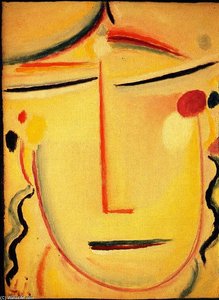
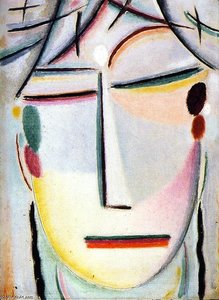
Experience Alexej von Jawlensky's 'Savior’s Face'! This intensely emotional Expressionist painting features a distorted face, red dots, and vibrant yellow hues – a powerful testament to the artist's unique vision.
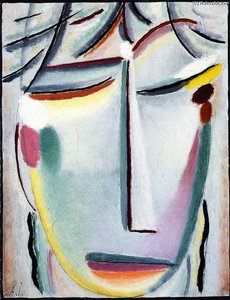
Witness Alexej von Jawlensky's 'Savior’s Face: Renunciation.' A powerfully emotive Expressionist portrait featuring bold colors and a distorted face, capturing profound emotion. Explore this iconic 1921 masterpiece.
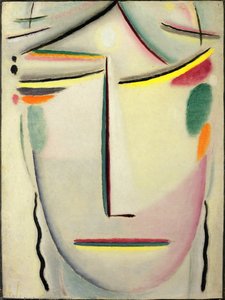
Experience the raw emotion of Alexej von Jawlensky's "Heilandsgesicht Schönheit (Rote)". A powerful Expressionist painting featuring a vibrant, symbolic face – a must-have reproduction.
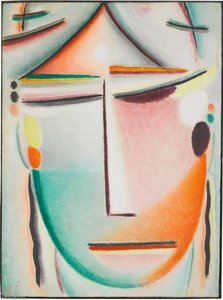
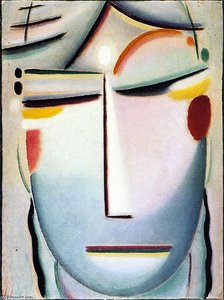
Experience Alexej von Jawlensky's 'Savior’s Face: To the Guardian of the Temple' (1921). A raw, expressionist portrait with bold reds & yellows, capturing intense emotion and spiritual depth. Hand-painted reproduction.
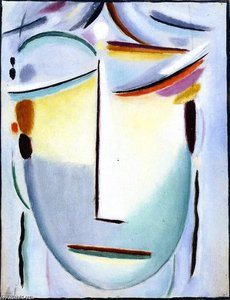
Experience Alexej von Jawlensky's 'Savior’s Face: Resting Light.' A hauntingly beautiful expressionist portrait, rendered in striking blue hues and abstracted forms. Explore the raw emotion of a pivotal 20th-century artist.
Alexej von Jawlensky Alexej von Jawlensky was a leading figure in early 20th-century Expressionism, known for his emotionally charged portraits and landscapes. Initially influenced by Impressionism and Post-Impressionism, he developed a highly personal style characterized by distorted forms, expressive brushwork, and a focus on conveying inner emotional states rather than objective reality. His