Showing 6 artworks with Andrea Mantegna and with 1465 and with Fresco

-
Andrea Mantegna
-
1465
-
Fresco
Not available for this selection
- Walnut
- Putty
- Espresso
- Driftwood
- Renaissance Fresco
- Italian Renaissance
- Andrea Mantegna
- Roman Antiquity
- Renaissance Art
- Fresco Painting
- Decorative Painting
- Wall Art
- Monumental Castle
- “Gift For Art Lovers”
- “Mantegna Inscription”
- Biblical Scene
- Renaissance Fresco Wall
- Ancient Architecture
- Renaissance Painting
- Diffused Daylight
- 15Th Century Art Decor
- Fine Art Print
- Religious Scene
- Art Collector
- Fine Art Reproduction
- Horse Imagery
- Ceiling Fresco
- Architectural Realism
- Padua Artist
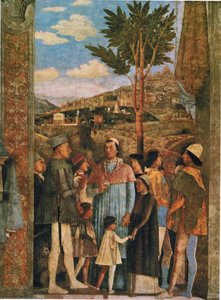
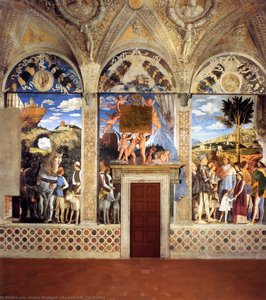
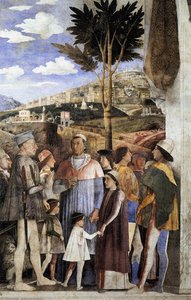
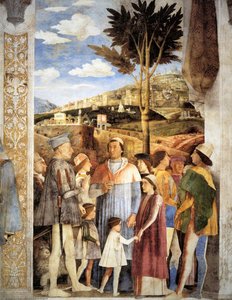
Experience the sculptural grandeur of Andrea Mantegna's 1465 masterpiece The Meeting, a stunning Renaissance fresco that resurrects Roman antiquity through masterful perspective and invites you to explore its timeless beauty.
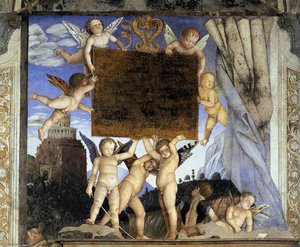
Andrea Mantegna’s ‘Inscription with Putti,’ a stunning 1465 fresco showcasing angels supporting a parchment scroll, exemplifies Renaissance precision and classical influence – discover this masterpiece or commission a hand-painted reproduction.
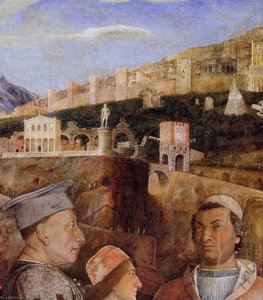
Mantegna’s masterful depiction captures the grandeur of Renaissance Rome through meticulous architectural detail and dramatic perspective—a testament to his unwavering dedication to archaeological accuracy. Explore this captivating artwork by Andrea Mantegna, circa 1465, and bring a piece of classical history into your home.
A masterful display of archaeological realism and classical grandeur defines this Renaissance fresco by Andrea Mantegna, inviting you to explore the intricate details of this timeless historical encounter.
The Meeting by Andrea Mantegna – A monumental fresco depicting a courtyard gathering during the Renaissance, showcasing meticulous detail and dramatic perspective inspired by Roman antiquities.
Mantegna’s masterful fresco ‘The Meeting,’ born in 1465, embodies the Renaissance spirit through its strikingly realistic depiction of a village gathering around an ancient tree—a testament to his unwavering dedication to Roman antiquities and unparalleled sculptural perspective.