Showing 4 artworks with António Xavier Trindade and with 1920
-
António Xavier Trindade
-
1920
Not available for this selection
- Espresso
- Gray
- Putty
Not available for this selection

- Fine Art Reproduction
- Indian Art
- Bombay School
- 1920 Oil Painting
- Orientalist Art Style
- Vibrant Color Contrast
- "Marigold Flower Art"
- "Rudraksha Beads Art"
- Punjabi Minstrel Painting
- Bombay Bazaar Scene
- Femininity
- Early 20Th Century Art
- Expressive Brushwork
- Unesco Heritage Site
- Pink Sari
- Goan Artist Portrait
- Monochrome Print
- "Matted Hair Painting"
- Itinerant Musician Decor
- 1920 Painting
- Goa Artist
- Tranquility
- Sanyasi Artwork”
- Floral Motif
- Portrait Painting
- Hindu Holy Man Art
- Texture Detail
- Victorian Era
- Color Palette
- "Traditional Indian Art"
- Indian Ascetic Painting
- Xix Century Art
- Symbolism
- "Rembrandt Of The East"
- Charcoal Drawing
- Portuguese Goa
- Painting
- Hindu Woman
- Serenity
- Trindade Artwork Print
- Colonial Era Art
- Decorative Art
- António Xavier Trindade
- Portraiture
- "Indian Culture Art"
- Trindade Artwork
- South Asian Folk Art
- Still Life
- Indian Portrait Art
- "Vibrant Yellow Tones"
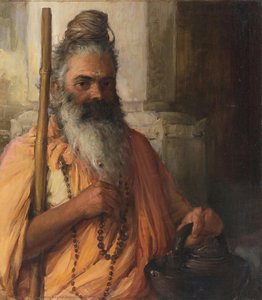
Discover António Xavier Trindade’s ‘Sanyasi,’ a captivating 1920 oil painting of an Indian ascetic. Explore realism, vibrant hues & symbolic details – a unique blend of East meets West.
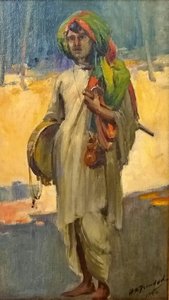
Vibrant portrait of a Punjabi minstrel by António Xavier Trindade (c. 1920), capturing the spirit of Indian street life with expressive color and brushwork; discover this masterpiece today.
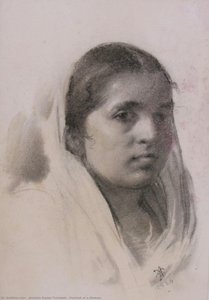
A captivating portrait of Dr Annie Besant by António Xavier Trindade (1927). Explore this oil painting's rich textures, warm tones & unique Bombay School style. == Notable Works == Trindade’s artistic legacy includes several notable paintings that showcase his distinctive Bombay School style. Among these are: * ‘Woman in Pink Sari with Pot’: A serene depiction of Indian femininity and cultura
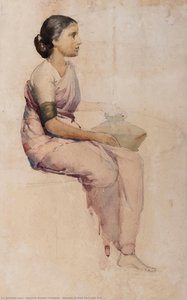
Explore António Xavier Trindade’s masterpiece ‘Woman in Pink Sari with Pot,’ a serene portrait capturing Indian femininity and cultural heritage. Painted in 1920, it exemplifies Bombay School realism.