Showing 15 artworks with Benvenuto Cellini and with 1540

-
Benvenuto Cellini
-
1540
Not available for this selection
- Rosy Brown
- Phthalo Green
- Espresso
- Gray
- Driftwood
- Celadon
- Khaki
- White
- Benvenuto Cellini
- Renaissance Sculpture
- Mythology
- Mannerism
- Salt Cellar
- Renaissance Art
- Francis I
- Cellini Salt Cellar
- Symbolism
- Italy
- Sculpture
- Goldsmithing
- Classical Art
- Decorative Arts
- Enamel
- Precious Metals
- Italian Renaissance
- Mythological Figure
- Vienna
- 16Th Century
- Benvenuto Cellini Artist
- Mannerism Art
- Mythology Sculpture
- Gold
- Kunsthistorisches Museum
- Sculptor Biography
- Renaissance Florence
- Renaissance
- Gold Sculpture
- Mannerist Sculpture
- Classical Art Influence
- Engraved Portrait
- Art Historical Replica
- Apollo Hyacinth Statue
- Serpents Bronze”
- Florence Artist
- Salt Cellar Vienna
- Florentine Art Print
- Art
- Mythology Wall Art
- Mannerist Medal
- Narcissus Reflection
- Francis I Patronage
- Cellini
- Art History
- Detail
- Vienna Museum Style
- Opulent Home Accent
- Olympian Mythology
- High Renaissance Decor
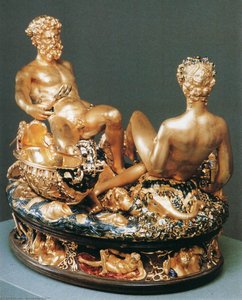
Marvel at Benvenuto Cellini's opulent 'Salt Cellar,' a Renaissance masterpiece of gold, enamel & intricate symbolism—a testament to artistry & luxury from 1543 Vienna.
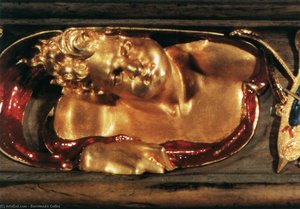
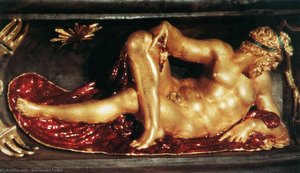
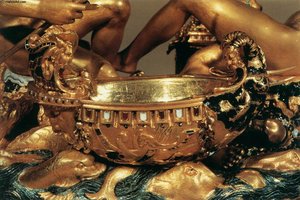
Discover Benvenuto Cellini's opulent Mannerist Salt Cellar detail, showcasing exquisite goldwork and mythic allegory; explore this Renaissance masterpiece today.
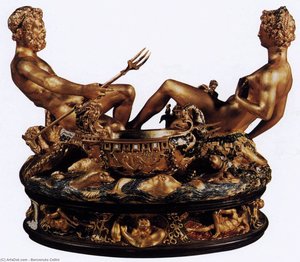
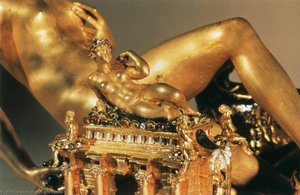
The Saliera is a stunning gold salt cellar created by Benvenuto Cellini for Cardinal Ippolito d'Este and King Francis I. It exemplifies Mannerism with its allegorical figures representing Earth and Sea, reflecting Cellini’s artistic vision and demonstrating the patronage of influential Renaissance rulers.
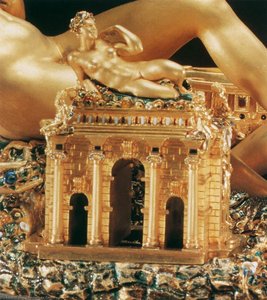
Admire Benvenuto Cellini's masterpiece – the Salt Cellar! This opulent Mannerist sculpture blends gold and enamel with mythological imagery, showcasing a nude woman atop a gilded salt cellar.
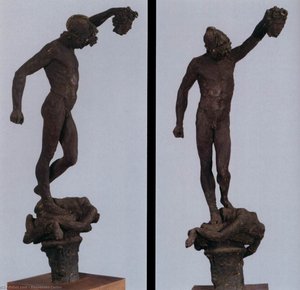
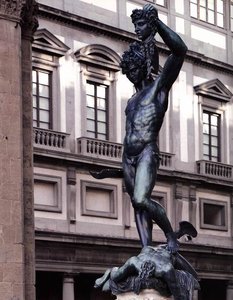
Explore Benvenuto Cellini’s ‘Perseus’ bronze sculpture – a dynamic Hellenistic masterpiece featuring mythological drama & intricate detail. Discover its classical style & powerful narrative.
Explore the iconic bronze statue of Perseus holding Medusa’s head, crafted by Benvenuto Cellini for King Francis I. Witness Renaissance brilliance and Mannerist style in this monumental artwork.
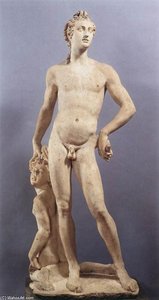
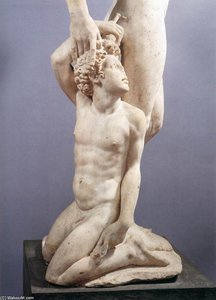
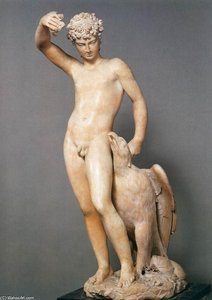
Admire Benvenuto Cellini's masterful sculpture of Apollo and Hyacinth, crafted in marble during the Renaissance period. Explore classical artistry and symbolism within this captivating piece.
Marvel at Benvenuto Cellini's 'Salt Cellar,' a stunning Renaissance masterpiece crafted from gold, enamel & ivory. Explore its mythological symbolism and intricate details of this iconic work.
Marvel at Benvenuto Cellini's 'Apollo & Hyacinth,' a poignant marble sculpture depicting the tragic myth. Explore its exquisite detail and masterful artistry from 1540 Florence.
Marvel at Benvenuto Cellini's 'Salt Cellar,' a masterpiece of Renaissance goldsmithing! This intricate, opulent sculpture showcases Mannerist artistry and features mythical figures within the Kunsthistorisches Museum in Vienna.
Marvel at Benvenuto Cellini's 'Salt Cellar,' a masterpiece of Renaissance goldsmithing! This opulent sculpture, commissioned by Francis I, embodies myth & power with intricate detail and symbolic artistry.
Experience the dramatic Mannerist grandeur of Benvenuto Cellini's 1540 Seal of Cardinal Ippolito d'Este, a breathtaking bronze relief masterpiece of symbolic power and intricate Renaissance detail ready to inspire your collection.
This sculpture exemplifies Cellini's mastery of sculpting techniques and reflects the artistic sensibilities prevalent during the Mannerist period. It’s a testament to his skill in portraying human form with dramatic flair.
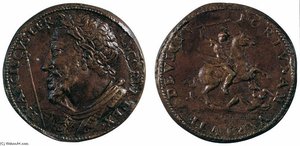
Experience the Mannerist grandeur of Benvenuto Cellini’s Medal of François I, a masterpiece of Renaissance goldsmithing featuring intricate symbolic detail that invites you to explore this historical treasure.
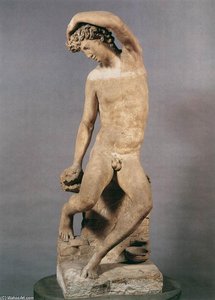
Benvenuto Cellini’s Narcissus (circa 1540) is a captivating marble statue embodying Mannerist artistry. Inspired by Cosimo I's acquisition of Greek marble and Cellini's ambition to rival Bandinelli, this sculpture portrays Narcissus gazing at his reflection—a poignant symbol of vanity and contemplation—within the Bargello Museum.