Showing 10 artworks with Caravaggio and with 1602 and with Portrait

-
Caravaggio
-
1602
-
Portrait
Not available for this selection
- Phthalo Green
- Black
- Espresso
- Gray
- Walnut
- Putty
- Caravaggio
- Michelangelo Merisi
- Religious Art
- Dramatic Lighting
- Realism
- Baroque Art
- Renaissance
- Caravaggio Painting
- Tenebrism
- Italian Art
- Renaissance Influence
- Chiaroscuro
- Italian Renaissance Artist
- Oil Painting
- Italian Painting
- Saint Matthew
- Michelangelo Merisi Da Caravaggio
- Oil On Canvas
- Baroque Painting
- Rome
- 17Th Century
- Jesus Burial Detail
- Chiaroscuro Lighting
- Catholic Art
- Religious Iconography
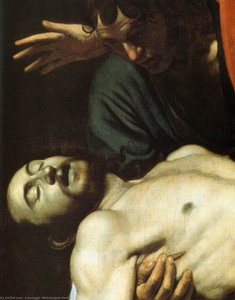
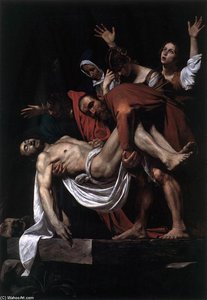
Witness the poignant beauty of Caravaggio's 'The Entombment,' a Baroque masterpiece capturing Christ’s burial with dramatic lighting and profound emotion. Explore its history & influence.
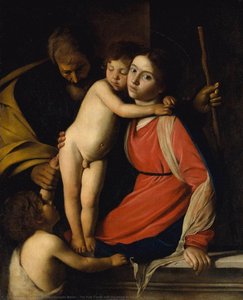
Michelangelo Merisi da Caravaggio's 'Holy Family' depicts Mary, Joseph, and infant John the Baptist with dramatic lighting & realism. A masterpiece of the Baroque period, now at the Met.
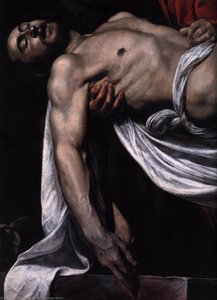
Witness the raw emotion of Caravaggio's 'The Entombment (Detail)' – a masterpiece of Baroque art, showcasing dramatic lighting and profound human experience. Explore its history & influence.
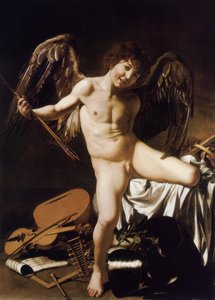
Discover Caravaggio’s ‘Amor Victorious’! A Baroque masterpiece featuring Cupid & symbols of art & war. Explore this iconic 1602 oil painting at the Gemäldegalerie Berlin.
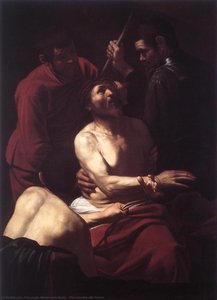
Michelangelo Merisi da Caravaggio’s “The Crowning with Thorns” depicts Jesus Christ being crowned with thorns by Roman soldiers—a dramatic masterpiece showcasing tenebrism and profound emotional depth. Explore its symbolism & legacy at ArtsDot.com!
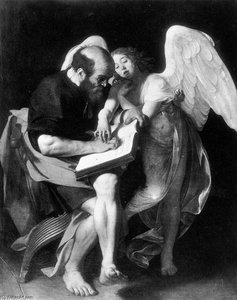
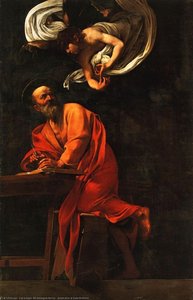
Experience Caravaggio's "Inspiration of Saint Matthew" – a Baroque masterpiece! Witness the dramatic clash of light & shadow as an angel inspires Matthew to write. A visceral portrayal of faith and human emotion, meticulously rendered in 1602.
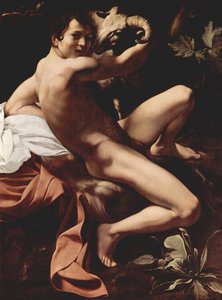
Michelangelo Merisi da Caravaggio's "John the Baptist" captivates with dramatic chiaroscuro and serene beauty, embodying youthful innocence & sacrifice—a cornerstone of Baroque art.