Showing 6 artworks with Charles Willson Peale and with Acrylic On Canvas
-
Charles Willson Peale
-
Acrylic On Canvas
Not available for this selection
- Phthalo Green
- Espresso
- Black
Not available for this selection
- Charles Willson Peale
- Historical Painting
- George Washington
- Portraiture
- Portrait Painting
- American Revolution
- Colonial America
- 18Th Century Art
- Benjamin West
- Neoclassical Art
- American Art
- Maryland Artist
- Serious Expression
- Samuel Mifflin Portrait
- Scientific Illustration
- Self-Portrait
- Natural History
- George Washington Portrait
- Dignified Gaze
- John Singleton Copley Influence
- Cadwalader Family
- Revolutionary Era Art
- Enlightenment Ideals
- Scholarly Setting
- Dignified Pose
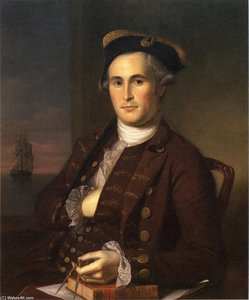
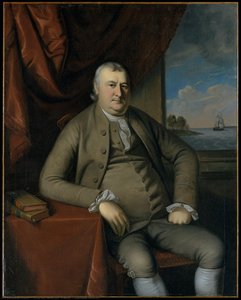
Admire Charles Willson Peale’s masterful portrait of Samuel Mifflin, commissioned during the American Revolution. Explore this opulent depiction featuring John Singleton Copley's influence and symbolizing Mifflin’s mercantile success.
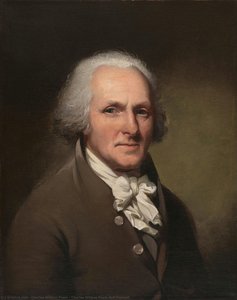
Discover Charles Willson Peale's iconic self-portrait, a remarkable blend of artistry and scientific curiosity. Explore the life & legacy of this pioneering American painter & museum founder.
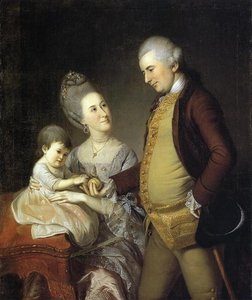
This painting offers invaluable insight into the social landscape of Philadelphia during the Revolutionary War period. Its meticulous detail reveals a glimpse into domestic life alongside prominent figures like George Washington.
Charles Willson Peale's 'Mordecai Gist' depicts George Washington in a contemplative pose amidst books and a sailboat, showcasing his dedication to knowledge and representing an iconic image of leadership during the American Revolution.
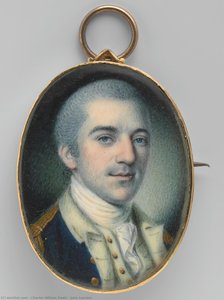
John Laurens, painted by Charles Willson Peale in 1780, showcases a dignified depiction of George Washington's aide-de-camp. This neoclassical portrait exemplifies Peale’s skill and contributes to documenting the American Revolution.
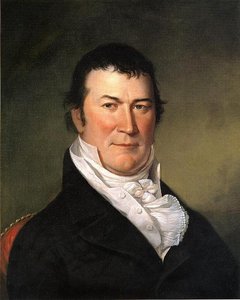
This striking oil on canvas portrays William Harris Crawford, a Georgian politician and Secretary of War under James Madison. Painted by Charles Willson Peale in 1818, it exemplifies neoclassical style and showcases meticulous detail—a testament to Peale's skill as both artist and scientist.