Showing 24 artworks out of more than 240+ with Claude Monet and with Fine Art Reproduction
-
Claude Monet
-
Fine Art Reproduction
Not available for this selection
- Espresso
- Phthalo Green
- Steel Blue
- Sap Green
- Gray
- Sea Green
- Midnight Blue
- Black
- Prussian Blue
- Cobalt Violet
- Quinacridone Magenta
- Walnut
- Fine Art Reproduction
- Claude Monet
- Impressionism
- Landscape Painting
- Light And Color
- French Art
- Botanical Art
- Color Palette
- Plein Air Painting
- French Impressionist
- Giverny Garden
- Water Lilies
- Claude Monet Artwork
- Victorian Era Art
- Outdoor Painting
- Pastel Colors
- French Impressionist Art
- Impressionist Style
- Floral Impressionism
- Landscape Art
- Floral Art
- Art History
- Art Deco Style
- French Painter
- French Art History
- Botanical Painting
- Oil Painting
- Decorative Art
- Victorian Era
- Water Lilies Series
- Light Color Palette
- Monet Impressionism
- Nineteenth Century Art
- Oil On Canvas
- Normandy Landscape
- Plein Air Art
- Normandy
- Monet Artwork
- Claude Monet Paintings
- Painting
- Nature Painting
- Botanical Illustration
- Monet Series
- French Painting
- Rouen Cathedral
- Impressionistic Style
- Seine River
- French Impressionism
- Atmospheric Perspective
- Xix Century Art
This analysis delves into Monet's technique, compositional choices, and historical context, highlighting its significance within Impressionism.
Oscar-Claude Monet (1840 – 1926) revolutionized painting with his dedication to plein air techniques and capturing the fleeting effects of light. Inspired by Eugène Boudin, he championed direct observation as a cornerstone of artistic expression.
Oscar-Claude Monet (1840–1926) revolutionized painting by championing plein air techniques and prioritizing the expressive power of color. Inspired by Eugène Boudin, he established Impressionism's core principles, focusing on capturing atmospheric effects.
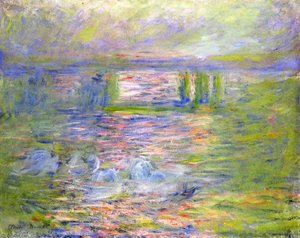
This painting showcases Monet's signature "plein air" technique, brilliantly depicting the Thames bridge under varied conditions.
Explore Claude Monet (1840-1926), founder of Impressionism! Discover iconic water lilies, haystacks & landscapes capturing light & nature's essence. A pivotal figure in modern art.
Monet's innovative use of color and light profoundly influenced subsequent artists. This painting is a testament to his artistic vision and contribution to art history.
Explore Monet’s legacy and discover more Impressionist treasures at ArtsDot.com!
Oscar-Claude Monet (1840–1926) revolutionized painting with his dedication to plein air techniques and Impressionist aesthetics. Inspired by Eugène Boudin, he championed capturing nature's essence directly on canvas.
Inspired by Eugène Boudin’s encouragement to paint en plein air, Monet meticulously observed and rendered the subtleties of light and color—a technique that profoundly shaped his artistic legacy. The painting's composition subtly echoes Japanese landscape prints (ukiyo-e), demonstrating Monet’s fascination with Eastern aesthetics.
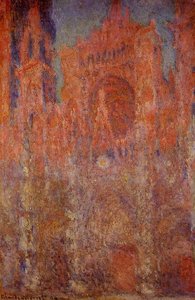
Claude Monet's Rouen Cathedral series, completed between 1892 and 1894, showcases his masterful depiction of the cathedral’s façade bathed in sunlight. This monumental work exemplifies Impressionism's focus on capturing fleeting moments and conveying atmospheric effects through textured brushstrokes.
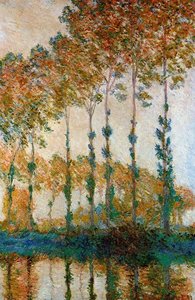
Experience Claude Monet's 'Poplars on the Banks of the Epte.' This iconic Impressionist painting captures a serene riverside scene with vibrant colors and light. Own a museum-quality reproduction today!
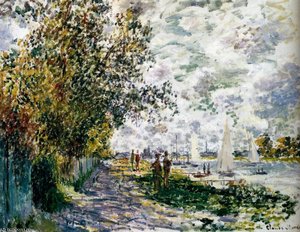
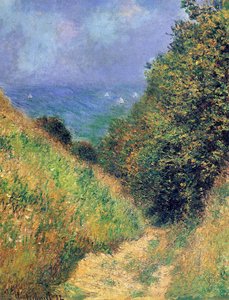
Experience Claude Monet's 'Path at Pourville 02,' a serene Impressionist landscape capturing the harmony of nature and human presence under a vibrant blue sky. Explore this iconic masterpiece.
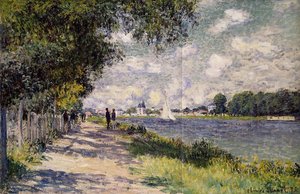
Monet’s series of Seine River paintings demonstrate his meticulous study of light and color variations throughout the seasons, cementing his place as one of art history's most influential figures.
Admire Claude Monet’s masterful depiction of vibrant red azaleas in a pot, capturing the fleeting beauty of Impressionism's plein air technique. Explore this iconic piece at WikiArt.
This painting exemplifies Monet’s signature style, prioritizing light and color to convey the atmosphere of a specific moment in time.