Showing 24 artworks out of 27 with Claude Monet and with Pleine Air Painting

-
Claude Monet
-
Pleine Air Painting
Not available for this selection
- Rosy Brown
- Cobalt Violet
- Gray
- Driftwood
- Putty
- Phthalo Green
- Espresso
- Sap Green
- Quinacridone Magenta
- Celadon
- Plum
- White
- Claude Monet
- Pleine Air Painting
- Impressionism
- Landscape Painting
- Light And Color
- Fine Art Reproduction
- French Impressionist
- French Art
- Color Palette
- Water Lilies
- Impressionistic Style
- Fine Art Print
- Seine River
- Botanical Art
- French Impressionist Art
- Victorian Era Art
- Giverny Garden
- Claude Monet Artwork
- Oil Painting Reproduction
- Painting Technique
- Art Deco Style
- Summer Landscape
- Normandy Coastline
- Coastal Scene
- Oil On Canvas
- Sunlight Effect
- Botanical Painting
- Landscape Impressionism
- French Painter
- Sunlight Landscape
- Normandy Coast
- Monet Artwork
- French Impressionist Painting
- Beach Scene
- Normandy
- Monet Series
- 1897 Artwork
- Monet Reproduction
- Claude Monet Paintings
- Floral Impressionism
- Loose Brushstrokes
- Romantic Landscape
- Nineteenth Century Art
- Water Lilies Inspiration
- Serene Landscape
- Normandy Landscape
- Atmospheric Perspective
- Winter Landscape
- Art History
- Landscape Art
Oscar-Claude Monet (1840–1926) revolutionized painting with his dedication to plein air techniques, portraying everyday life and landscapes in luminous impressions of light. His series paintings like Water Lilies exemplify this groundbreaking approach.
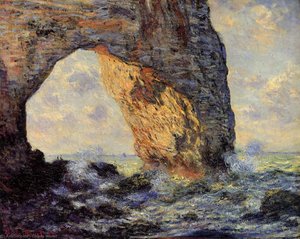
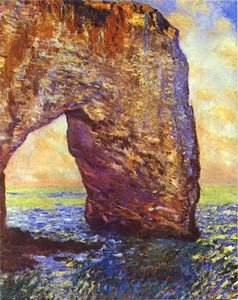
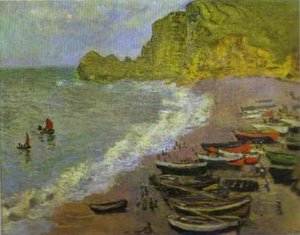
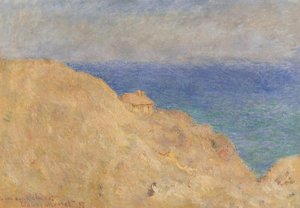
Experience Claude Monet's iconic 'The Mannerportre near Etretat,' capturing the dramatic Normandy coastline and Étretat’s majestic Manneporte archway with vibrant Impressionist brushstrokes.
Monet began his artistic journey under the tutelage of Eugène Boudin, who instilled in him the revolutionary concept of plein air painting—the practice of capturing landscapes directly from observation. This formative influence shaped Monet's approach to art for decades, prioritizing sensory experience over meticulous detail.
Oscar-Claude Monet (1840–1926) revolutionized painting with his dedication to plein air techniques, prioritizing the observation of natural light. Influenced by Eugène Boudin’s encouragement, Monet embraced direct painting from nature, establishing Impressionism as a movement focused on capturing fleeting moments and atmospheric effects.
Oscar-Claude Monet (1840 – 1926) revolutionized painting with his dedication to plein air techniques and capturing the fleeting effects of light. Inspired by Eugène Boudin, he championed direct observation as a cornerstone of artistic expression.
Oscar-Claude Monet (1840–1926) revolutionized painting with his dedication to plein air techniques and Impressionist aesthetics. Inspired by Eugène Boudin, he championed capturing nature's essence directly on canvas.
A founding father of Impressionism, Claude Monet was renowned for his ability to capture the fleeting effects of light and color in his paintings. He pioneered plein air painting and created iconic series depicting landscapes and water lilies.
Oscar-Claude Monet (1840–1926) revolutionized painting with his dedication to plein air techniques and exploration of light's transformative effects. Initially drawn to commercial pursuits, he found inspiration in Eugène Boudin’s advocacy for direct observation of nature.
This artwork is notable for its pioneering use of plein air painting techniques—directly observing and recording nature—a cornerstone of Impressionist artistic practice.
Visit Musée de l'Orangerie to immerse yourself in Impressionist art and experience Monet’s Water Lilies firsthand.
Monet’s artistic journey was profoundly influenced by Eugène Boudin, who championed *plein air* painting—working outdoors directly from nature. This method became integral to Monet's approach, allowing him to capture the subtle nuances of light and color with unparalleled accuracy.
Oscar-Claude Monet (1840-1926) revolutionized painting with his dedication to plein air techniques. Influenced by Eugène Boudin, he championed capturing nature's fleeting impressions—a cornerstone of Impressionism.