Showing 24 artworks out of 31 with Duccio Di Buoninsegna and with Renaissance Influence
-
Duccio Di Buoninsegna
-
Renaissance Influence
Not available for this selection
- Walnut
- Espresso
- Bronze
- Quinacridone Magenta
- Phthalo Green
- Clay
- Rosy Brown
- Putty
- Gray
- Olive
- Mahogany
- Driftwood
- Khaki
- Duccio Di Buoninsegna
- Renaissance Influence
- Medieval Art
- Religious Iconography
- Italian Painting
- Italian Renaissance
- Siena School
- Gothic Art
- Maestà Altarpiece
- Proto Renaissance
- Religious Painting
- Virgin Mary
- Sienese School
- Trecento Painting
- Italian Art History
- Gold Leaf
- Byzantine Style
- Biblical Narrative
- Siena Cathedral
- Christian Art
- Emotional Depth
- Medieval Painting
- Altarpiece
- Trecento Style
- Symbolism Art
- Medieval Italian Art
- Italian Gothic Art
- Madonna And Child
- Biblical Scene
- Trecento Gothic Style
- Medieval Art History
- Religious Scene
- Tempera Painting
- Siena Cathedral Art
- Siena Museo Opera Duomo
- Medieval Fresco
- Sienese Painting Style
- Jesus Christ
- Catholic Art
- Tempera Paint
- Byzantine Legacy
- Gothic Style
- Medieval Art Siena
- 14Th Century Art
- Siena Gothic Art
- Divine Majesty
- Maestà
- Siena Painting
- Child Jesus
- Christian Symbolism
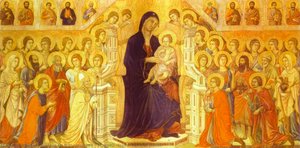
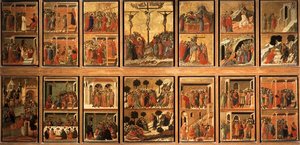
Explore Duccio di Buoninsegna’s ‘Maestó,’ a stunning 1311 Gothic altarpiece showcasing divine beauty & masterful technique. A timeless investment for art lovers.
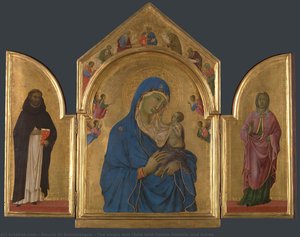
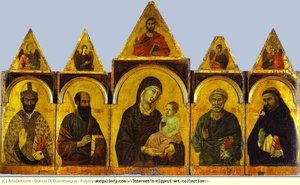
Admire Duccio di Buoninsegna's masterpiece, 'The Virgin and Child with Saints Dominic and Aurea,' a stunning Gothic altarpiece housed at the National Gallery London. Explore its symbolism & artistry!
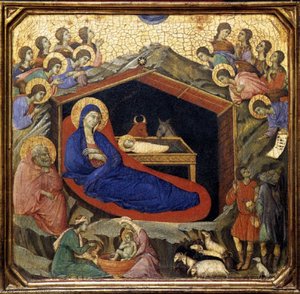
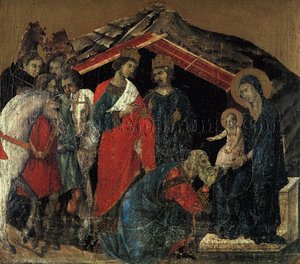
Delve into Duccio’s masterpiece – *Nativity*, showcasing Sienese Gothic brilliance & humanist innovation. Explore its symbolism, masterful technique & influence on Renaissance art at ArtsDot.
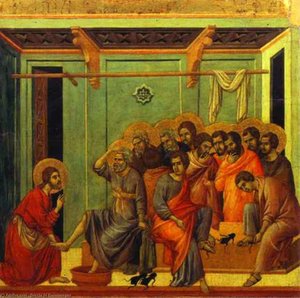
The MaestÓ (back, central panel) showcases Jesus washing the feet of his disciples—a poignant depiction of compassion and devotion. Its serene atmosphere and symbolic use of cats contribute to its timeless beauty.
Offers biographical information about Duccio and his role in the Sienese School, emphasizing his innovative approach to religious iconography.
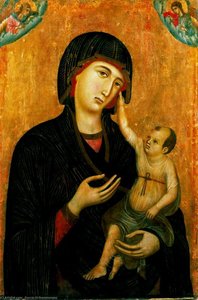
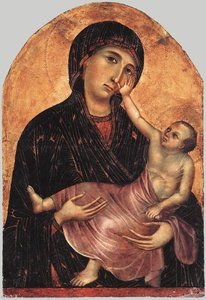
The Crevole Madonna by Duccio di Buoninsegna embodies Sienese Gothic art's fusion of Byzantine tradition and nascent Italian realism, showcasing serene beauty and capturing the intimacy of motherhood.
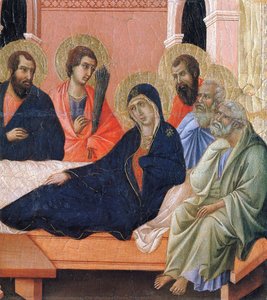
Duccio Di Buoninsegna (c. 1255–1318) was an Italian painter active in Siena during the Trecento & Sienese School, renowned for pioneering Gothic style and capturing emotional depth in iconic works like Maestà and The Virgin and Child with Saints Dominic and Aurea. His innovative use of color and spatial depth profoundly influenced Renaissance art.
Explore Duccio di Buoninsegna's masterpiece, 'Tríptico de Londres,' showcasing the Virgin Mary and Child with saints—a pivotal work bridging Byzantine tradition and Italian realism. Admire its gilded splendor and profound spiritual depth.
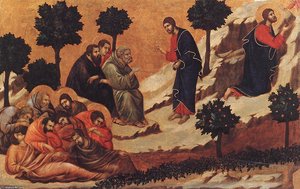
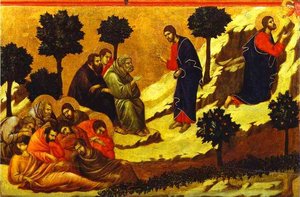
The central panel portrays Jesus alone in prayer, accompanied by angels who offer him strength. The apostles are depicted asleep, highlighting the vulnerability of faith amidst impending danger. Duccio’s meticulous attention to detail—including expressive faces and drapery folds—creates a lyrical depiction that anticipates the Renaissance emphasis on human emotion.
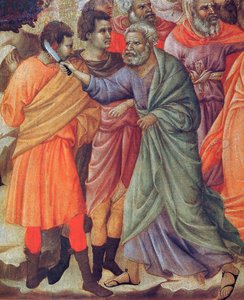
Witness the dramatic scene of Jesus before Herod in Duccio's 'Maestó'! This iconic Sienese masterpiece, part of the Gothic art style, showcases emotional depth and masterful composition.
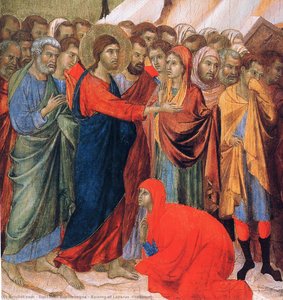
Proto Renaissance Duccio’s ‘Raising of Lazarus Fragment,’ circa 1311, captures the poignant miracle scene with expressive figures and subtle naturalism—a landmark piece inviting viewers to explore the dawn of Italian artistic vision.
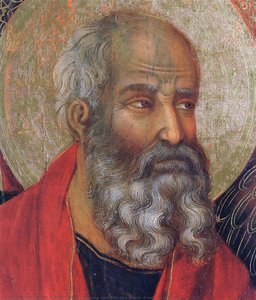
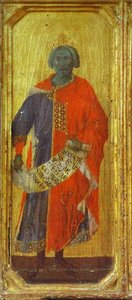
Discover Duccio di Buoninsegna’s ‘Maestó’ – a stunning 14th-century panel painting of Solomon. Explore its rich detail & Byzantine influence. High-quality reproductions available.