Showing 6 artworks with Edgar Degas and with 1879 and with Painting
-
Edgar Degas
-
1879
-
Painting
Not available for this selection
- Espresso
- Phthalo Green
- Walnut
- Bronze
- Driftwood
Not available for this selection
- Movement
- Impressionism
- Painting
- Degas
- Art
- Ballet
- 1879
- French Art
- Portrait
- Paris
- Studio
- Edgar Degas
- Dance
- Color
- Nineteenth Century Art
- Art History
- Women
- Oil Canvas
- Circus
- Ballet Dancers
- Reflection
- Horses
- Artist Style
- Miss La La
- Frieze
- Fine Art Reproduction
- Realist
- Rope
- Henri Michel-Levy
- Performance
- Brushstrokes
- Study
- Parisian Life
- Dancer
- Art Deco
- Horse Racing
- Artist
- Stage Performance
- Sketch
- Red Tutu
- Classical Painting
- Cirque Fernando
- Acrobat
- Pastel Drawing
- Mannequin
- Classical Ballet
- Pastel Drawings
- Feathers
- Colors
- Dressing Room
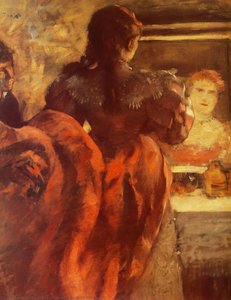
Experience Edgar Degas's 'Dancer in her dressing room,' a captivating Impressionist painting revealing the intimacy and solitude of a ballerina’s life. Witness pastel hues, a vibrant tutu, and a glimpse into artistic creation.
Hilaire-Germain-Edgar Degas (1834–1917) was a French Impressionist artist famous for his pastel drawings and oil paintings. Degas is especially identified wi
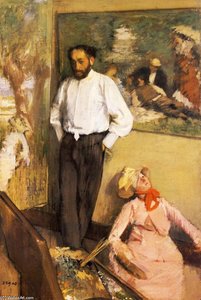
Discover Edgar Degas's 'Portrait of Henri Michel-Levy,' a captivating glimpse into an Impressionist artist’s studio life, brimming with artistic contemplation and innovative techniques.
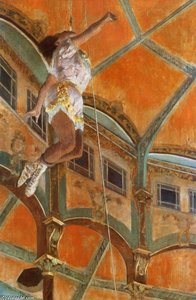
Experience Edgar Degas's iconic 'Miss La La at the Cirque Fernando.' This captivating 1879 painting, now in London’s National Gallery, showcases a daring acrobat & explores representation through art.
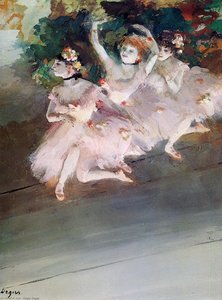
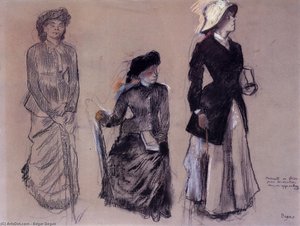
Experience Edgar Degas's 'Project for Portraits in a Frieze - Three Women,' a captivating Impressionist study of three figures, capturing movement and Parisian life with remarkable detail.
The Ballet Class (Degas, Musée d'Orsay) depicts ballet dancers at the end of a lesson led by Jules Perrot. Degas meticulously observed movement and incorporated details like stage mothers and a dog to convey realism. Painted in 1874-76, it exemplifies Impressionism’s focus on capturing fleeting moments and exploring psychological complexity.