Showing 5 artworks with Edward Hopper and with 1928 and with Urban Isolation
-
Edward Hopper
-
1928
-
Urban Isolation
Not available for this selection
- Putty
- Quinacridone Magenta
- Driftwood
- Celadon
- Urban Isolation
- American Realism
- Edward Hopper
- Watercolor Painting
- Black And White
- Light And Shadow
- Hopper Painting
- Dramatic Light
- Cape Ann Massachusetts
- Nocturne Scene
- Cityscape Scene
- Quiet Solitude
- Black And White Print
- Silent Reflection
- Jazz Age Art
- 20Th Century Art
- Solitary Atmosphere
- 1928 Art Deco
- Minimalist Painting
- American Impressionist
- Modern Art
- Solitary Woman
- Muted Gray Tones
- American Architecture
- Quiet Atmosphere
- American Painter
- House Interior
- New Realism Style
- Street Corner Scene
- Modern Art Decor
- Manhattan Bridge
- Prospect Street Gloucester
- Tonal Gradation
- Minimalist Style
- Gloucester Landscape
- Modern Art Style
- Tranquil Harbor
- Tonal Realism
- Quiet Landscape
- Realism Painting
- Hopper Watercolor
- Social Realism Movement
- Solitude
- Wall Art Gift
- Quiet Street Scene
- Urban Landscape
- New York Cityscape
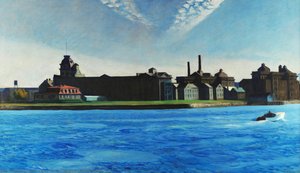
A hauntingly tranquil black and white cityscape captures urban isolation in Edward Hopper's 1928 masterpiece Blackwell, inviting you to experience the profound stillness of American modernism through this iconic work.
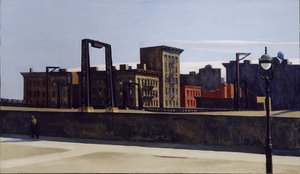
Edward Hopper’s haunting Manhattan Bridge Loop captures urban solitude in muted tones—a masterful depiction of the Jazz Age's anxieties—inviting viewers to contemplate the quiet drama unfolding against a monumental cityscape.
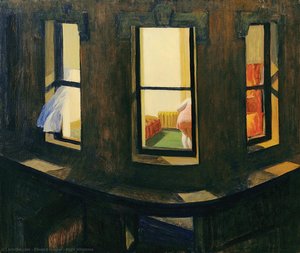
Hopper's meticulous observation of everyday life is evident in this piece, mirroring his broader artistic vision and exploring themes of isolation and contemplation. Consider comparing it to 'Reclining Nude,' another watercolor showcasing Hopper’s masterful use of light and shadow.
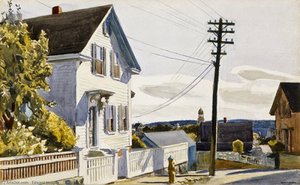
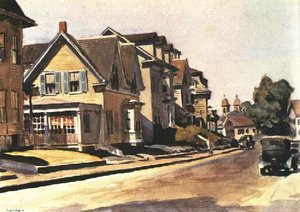
Edward Hopper's 'Prospect Street, Gloucester,' painted in 1928, exemplifies Social Realism. This serene cityscape showcases architectural details bathed in sunlight, conveying a poignant sense of isolation. Found in Cincinnati Art Museum, it’s a testament to Hopper’s ability to distill emotion into simple forms.