Showing 24 artworks out of 104 with Edward Hopper and with Green Spectrum

-
Edward Hopper
-
Green Spectrum
Not available for this selection
- Espresso
- Putty
- Rosy Brown
- Gray
- Driftwood
- Phthalo Green
- Walnut
- Black
- Quinacridone Magenta
- Celadon
- Khaki
- Sap Green
- Olive
- White
- Steel Blue
- Clay
- Bronze
- Edward Hopper
- American Realism
- Solitude
- American Art
- Edward Hopper Painting
- Hopper Style
- Modern Art
- Hopper Painting
- Isolation
- Gift For Art Lovers
- Light And Shadow
- Quiet Contemplation
- Painting
- Hopper Art Print
- Urban Landscape
- Realism
- Urban Isolation
- American Realism Art
- Urban Solitude
- 20Th Century Art
- Muted Colors
- Minimalist Art
- Edward Hopper Art
- Fine Art Reproduction
- Loneliness
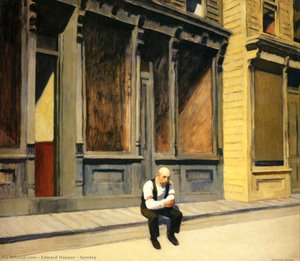
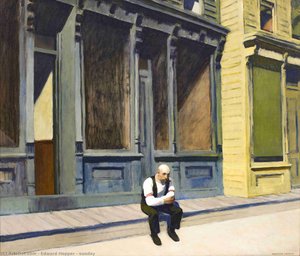
Explore Edward Hopper’s "Sunday" – a poignant urban solitude masterpiece. New Realism, muted tones & evocative symbolism. A timeless piece for art lovers & collectors.
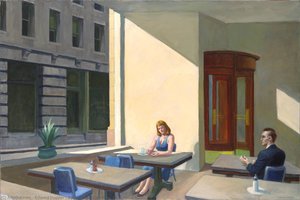
Explore Edward Hopper’s ‘Sunlight in a Cafeteria.’ A poignant 1958 oil painting capturing urban solitude & light. Discover American Realism's emotional depth – perfect for art collectors.
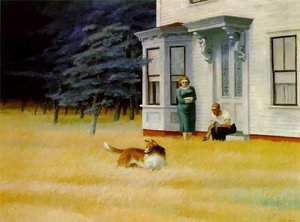
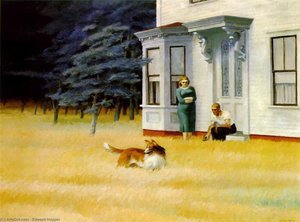
Explore Edward Hopper’s ‘Cape Cod Evening,’ a poignant 1939 oil painting of rural life. Discover its realism, dramatic lighting & evocative atmosphere – a classic American masterpiece.
Hopper’s meticulous observation and use of light contribute to the artwork’s evocative atmosphere. Discover more about Hopper's life and art at WikiArt.
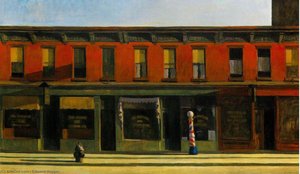
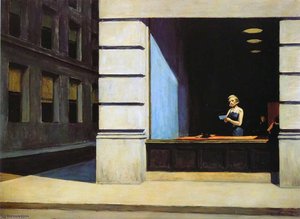
Edward Hopper’s "Early Sunday Morning" captures the poignant solitude of 1930s New York with its stark realism and masterful use of light. This iconic American Scene Painting evokes a sense of quiet contemplation, perfect for adding timeless beauty to your collection.
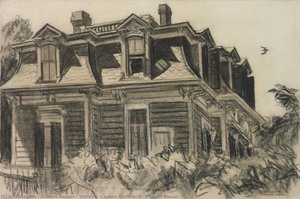
Explore Edward Hopper's iconic 'Untitled (Captain Gardner K. Wonson House)', capturing urban solitude and illuminated by subtle light—a masterpiece of American Realism from 1928.
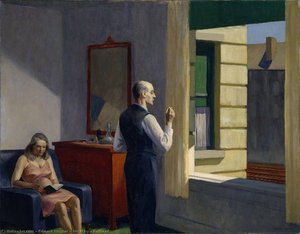
Explore Edward Hopper’s ‘Hotel by a Railroad’ – a poignant 1952 oil painting of loneliness & urban life. Realistic, evocative, and beautifully rendered. Discover American Realism.
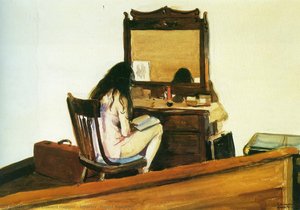
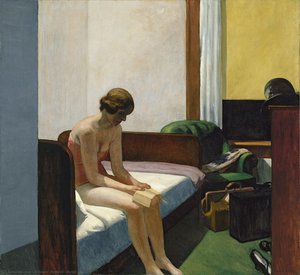
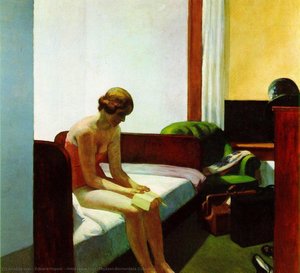
Explore Edward Hopper’s ‘hotel room,’ a poignant oil painting capturing solitude & urban life. Realistic detail meets dramatic lighting – a classic American scene.
Edward Hopper (1882-1967) was a pivotal figure in American Modernism. Initially drawn to commercial illustration, he transitioned to painting and etching after gaining recognition for his artistic talent. Hopper’s distinctive style—characterized by solitary figures in urban landscapes—continues to captivate audiences today.
Explore Edward Hopper's iconic Hotel Room (1931), capturing the poignant solitude of modern life with masterful use of light and shadow—a masterpiece from The Thyssen-Bornemisza Collection.
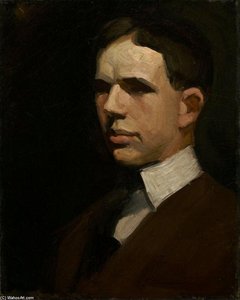
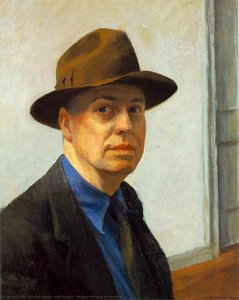
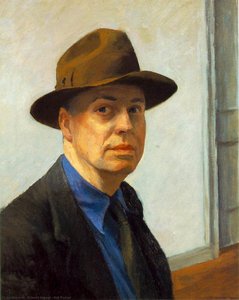
Edward Hopper's 'Self-Portrait' (1903) captures the artist’s introspective gaze and embodies his signature style of quiet American realism. Explore this iconic work reflecting solitude and modern life.
Edward Hopper's 'Self-Portrait' (1930) captures a solitary figure contemplating urban life through a window, embodying the artist’s signature themes of isolation and modern American realism.
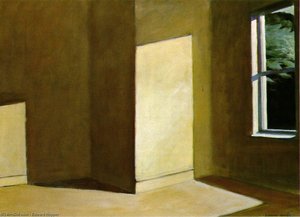
Edward Hopper’s ‘Sun in an Empty Room’ captures poignant solitude with masterful light & shadow—a quintessential depiction of modern American life, exploring isolation and quiet contemplation.
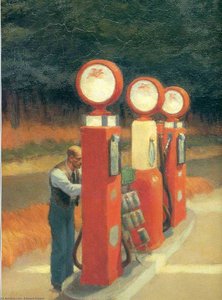
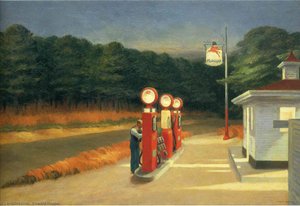
A hauntingly still monochrome scene of a roadside gas station by Edward Hopper captures the profound isolation of mid-century America, inviting you to bring this masterpiece of light and shadow into your collection.
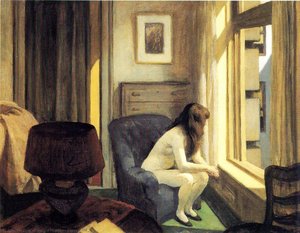
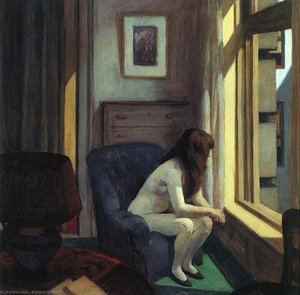
Explore Edward Hopper’s ‘Eleven AM,’ a poignant realist oil painting capturing urban isolation & reflection. Discover its dramatic lighting & evocative mood.
A poignant meditation on isolation defines this 1903 oil painting by Edward Hopper, capturing a contemplative mood through American Impressionist techniques that invite you to explore his early mastery of light and shadow.
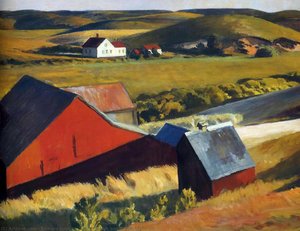
Explore Edward Hopper’s ‘Cobbs Barns & Distant Houses,’ a poignant 1930 realist painting capturing rural America's Depression era. Discover its evocative style and themes of isolation.