Showing 24 artworks out of 64 with Edward Hopper and with artwork date before 1929 and with artwork date after 1919

-
Edward Hopper
-
-1929
-
1919+
Not available for this selection
- Putty
- Espresso
- Driftwood
- Gray
- Phthalo Green
- Rosy Brown
- White
- Quinacridone Magenta
- Sap Green
- Steel Blue
- Celadon
- Black
- Walnut
- Bronze
- Plum
- Khaki
- Edward Hopper
- American Realism
- Solitude
- Hopper Painting
- Edward Hopper Painting
- Hopper Style
- American Art
- Light And Shadow
- Watercolor Painting
- Urban Landscape
- Black And White Art
- Edward Hopper Art
- Realism
- Landscape Painting
- Urban Isolation
- Quiet Contemplation
- Isolation
- Modern Art
- Art For Living Room
- American Modernism
- Minimalist Painting
- American Realism Art
- Urban Solitude
- Gift For Art Lovers
- 20Th Century Art
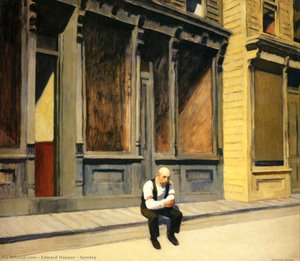
Explore Edward Hopper’s "Sunday" – a poignant urban solitude masterpiece. New Realism, muted tones & evocative symbolism. A timeless piece for art lovers & collectors.
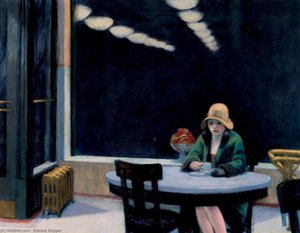
Explore Edward Hopper’s ‘Automat’: A poignant 1927 realist masterpiece of solitude & light. Discover its balanced composition, evocative style & timeless appeal.
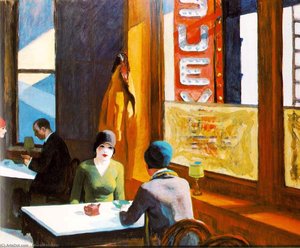
Explore Edward Hopper’s ‘Chop Suey,’ a 1929 masterpiece of American Realism. Captivating urban scenes & nostalgic vibes – perfect for art lovers & collectors.
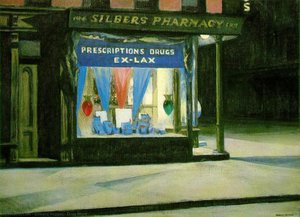
Edward Hopper’s ‘Drug Store’ (1927) captures urban isolation with its stark realism & evocative lighting. Explore this iconic American painting's details and artistic significance.
Hopper’s meticulous observation and use of light contribute to the artwork’s evocative atmosphere. Discover more about Hopper's life and art at WikiArt.
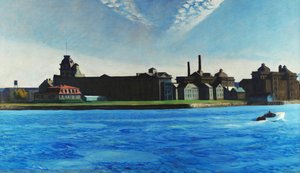
A hauntingly tranquil black and white cityscape captures urban isolation in Edward Hopper's 1928 masterpiece Blackwell, inviting you to experience the profound stillness of American modernism through this iconic work.
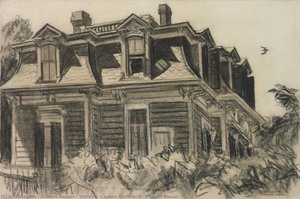
Explore Edward Hopper's iconic 'Untitled (Captain Gardner K. Wonson House)', capturing urban solitude and illuminated by subtle light—a masterpiece of American Realism from 1928.
This JSON response fulfills your request for a concise meta description optimized for SEO and includes relevant links to Wikipedia and MoMA's website.
Edward Hopper (1882-1967) was a pivotal figure in American Modernism. Initially drawn to commercial illustration, he transitioned to painting and etching after gaining recognition for his artistic talent. Hopper’s distinctive style—characterized by solitary figures in urban landscapes—continues to captivate audiences today.
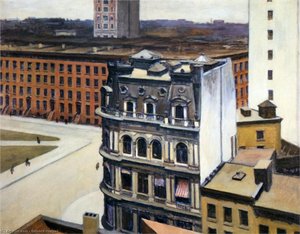
Explore Edward Hopper’s "The City" (1927) – a poignant black & white painting capturing urban isolation in New York. Admire its geometric style, architectural details, and evocative mood.
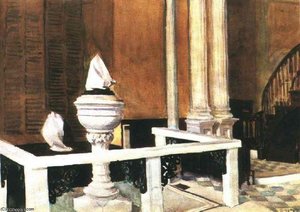
Edward Hopper’s ‘Baptistry of St. John’ captures a poignant moment of solitude within a solemn church interior, showcasing his signature style and evocative use of light & shadow.
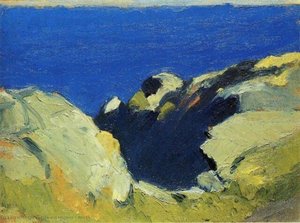
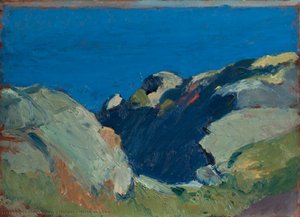
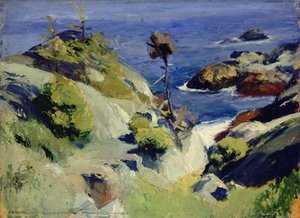
Experience the evocative stillness of Edward Hopper’s ‘Monhegan Landscape,’ a masterful oil on panel capturing a solitary beach scene bathed in subtle light – a quintessential Hopper masterpiece.
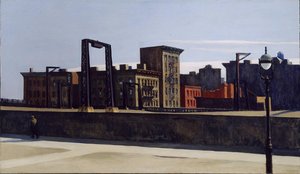
Edward Hopper’s haunting Manhattan Bridge Loop captures urban solitude in muted tones—a masterful depiction of the Jazz Age's anxieties—inviting viewers to contemplate the quiet drama unfolding against a monumental cityscape.
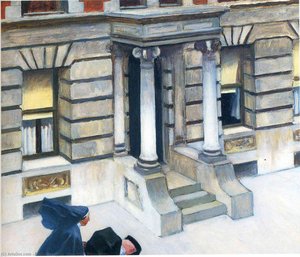
Explore Edward Hopper’s ‘New York Pavements’ (1924). A poignant realist painting of urban solitude & rain. Discover its muted colors, strong lines & evocative atmosphere.
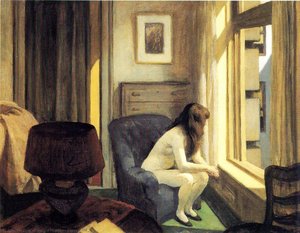
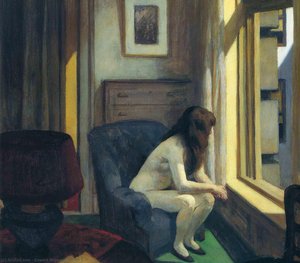
Edward Hopper’s ‘Eleven A.M.’ captures a poignant moment of solitude with its masterful use of light and shadow, depicting a woman lost in contemplation within a classic 20th-century American scene – discover this evocative artwork.
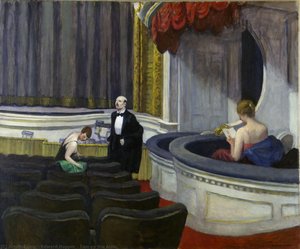
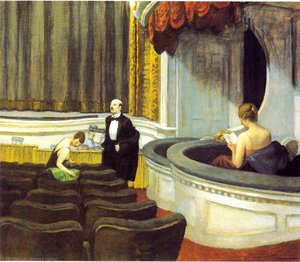
Explore Edward Hopper’s "Two on the Aisle" – a poignant 1927 oil painting capturing quiet theater life. Admire its realism, dramatic lighting & evocative mood.
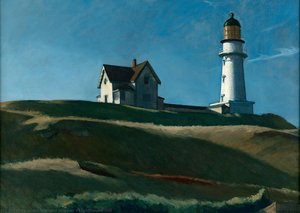
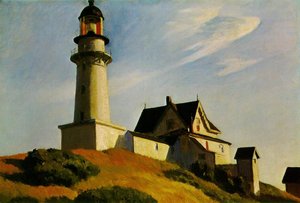
Edward Hopper’s "Lighthouse at Two Lights" captures the poignant solitude of American Modernism with its masterful use of light and shadow, depicting a timeless coastal scene in 1929. Discover this iconic artwork and bring home a piece of art history.