Showing 24 artworks out of 189 with Edward Hopper and with Edward Hopper

-
Edward Hopper
-
Edward Hopper
Not available for this selection
- Espresso
- Phthalo Green
- Black
- Gray
- Steel Blue
- Sap Green
- Quinacridone Magenta
- Walnut
- Sea Green
- Olive
- Edward Hopper
- American Realism
- Solitude
- Isolation
- American Art
- Hopper Style
- Modern Art
- Light And Shadow
- Realism
- Painting
- Urban Landscape
- Urban Isolation
- Hopper Painting
- Light
- Shadow
- Oil Painting
- Nostalgia
- Light & Shadow
- Black And White
- Urban Scene
- Loneliness
- Modernism
- Quiet Contemplation
- Art
- Landscape
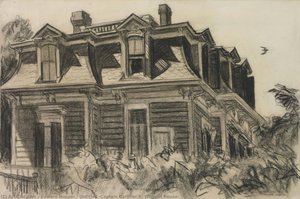
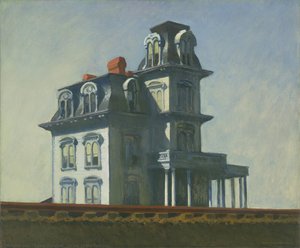
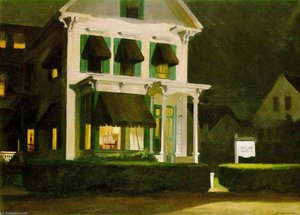
Explore Edward Hopper's iconic 'Untitled (Captain Gardner K. Wonson House)', capturing urban solitude and illuminated by subtle light—a masterpiece of American Realism from 1928.
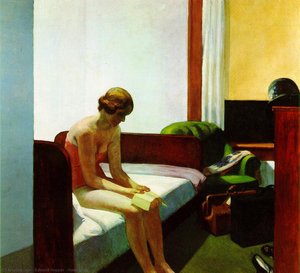
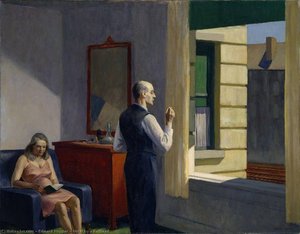
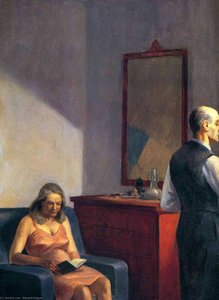
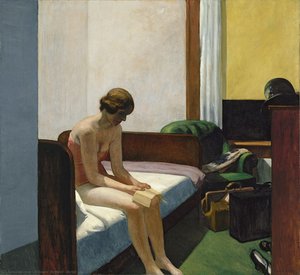
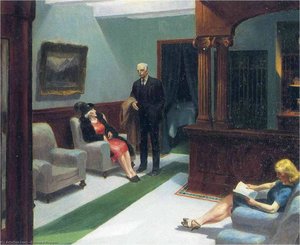
Edward Hopper’s Hotel Room captures a poignant moment of solitude amidst the sterile elegance of a hotel room—a hallmark of American Realism during the 1930s. Observe the woman absorbed in her book, illuminated by soft light, inviting you to contemplate beauty and isolation.
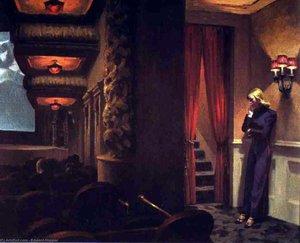
Edward Hopper’s "New York Movie" (1939) captures a poignant urban scene with dramatic lighting & expressionistic realism. Explore this iconic work's melancholy beauty.
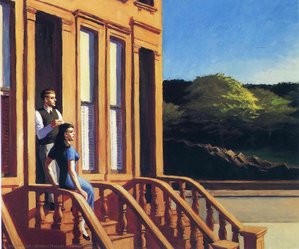
Experience the haunting beauty of Edward Hopper's 'untitled (1885)' – a masterful depiction of urban solitude and quiet contemplation, bathed in evocative light. Explore a timeless classic.
This painting exemplifies Hopper’s signature style, characterized by stark realism and evocative use of light to convey emotion. Inspired by Hemingway’s ‘The Snow Country,’ it captures the quiet desperation of modern life.
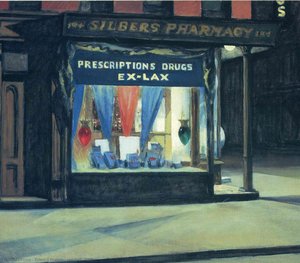
Edward Hopper's 'Untitled (7096)' captures the quiet solitude of a nighttime pharmacy scene – a poignant reflection of modern American life and urban isolation, rendered with masterful light & shadow.
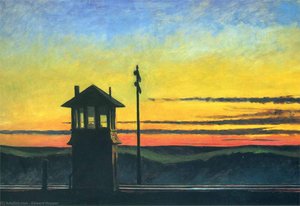
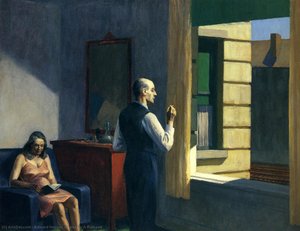
Explore Edward Hopper’s ‘Hotel by a Railroad’ – a poignant 1952 oil painting of loneliness & urban life. Realistic, evocative, and beautifully rendered. Discover American Realism.
Edward Hopper's 'Untitled (3268)' captures urban solitude and quiet contemplation with masterful use of light and shadow. Explore the painting’s evocative scene of a woman reading, reflecting Hopper’s iconic American realism.
This JSON response fulfills your request for a concise meta description optimized for SEO and includes relevant links to Wikipedia and MoMA's website.
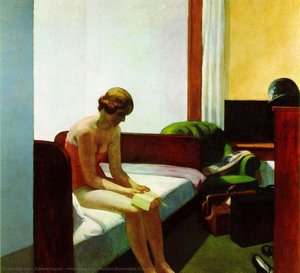
Explore Edward Hopper’s ‘hotel room,’ a poignant oil painting capturing solitude & urban life. Realistic detail meets dramatic lighting – a classic American scene.
A profound sense of modern isolation permeates Edward Hopper's 1952 masterpiece Hotel By A Railroad, where light and shadow capture a quiet moment of solitude that invites you to explore this iconic piece of American Realism.
Edward Hopper (1882-1967) was a pivotal figure in American Modernism. Initially drawn to commercial illustration, he transitioned to painting and etching after gaining recognition for his artistic talent. Hopper’s distinctive style—characterized by solitary figures in urban landscapes—continues to captivate audiences today.
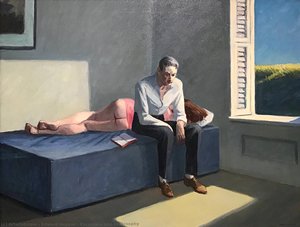
Explore Edward Hopper’s "Excursion into Philosophy." A poignant American Realist painting capturing solitude & contemplation. Discover its symbolism & masterful oil technique.
Edward Hopper's 'untitled (4438)' captures urban solitude with muted colors and strong lines. A poignant scene of three figures in a diner, reflecting themes of isolation and modern American life.
Explore Edward Hopper's iconic Hotel Room (1931), capturing the poignant solitude of modern life with masterful use of light and shadow—a masterpiece from The Thyssen-Bornemisza Collection.
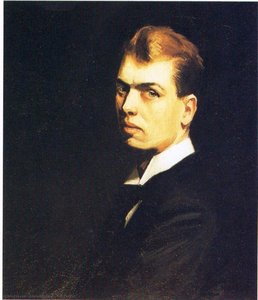
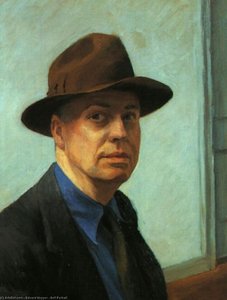
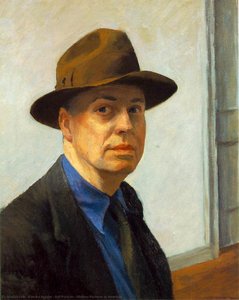
Experience Edward Hopper's iconic 'Self-Portrait' (1925-30). This poignant oil painting captures the artist’s solitude and introspective nature, a hallmark of American realism. Explore its details & significance.
Edward Hopper’s "Room for Tourists" (1945) captures a poignant American night scene. Explore this realist masterpiece's dramatic lighting & nostalgic mood at Yale UAG.
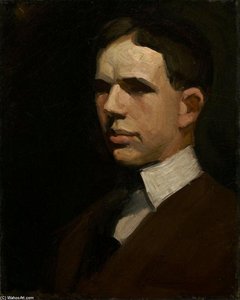
Edward Hopper's 'Self-Portrait' (1903) captures the artist’s introspective gaze and embodies his signature style of quiet American realism. Explore this iconic work reflecting solitude and modern life.
Edward Hopper's 'Self-Portrait' (1930) captures a solitary figure contemplating urban life through a window, embodying the artist’s signature themes of isolation and modern American realism.