Showing 7 artworks with Egon Schiele and with 1917 and with Austrian Art

-
Egon Schiele
-
1917
-
Austrian Art
Not available for this selection
- Putty
- Phthalo Green
- Espresso
- Quinacridone Magenta
- Clay
- Rosy Brown
- Austrian Art
- Egon Schiele
- Expressionism
- Fine Art Reproduction
- 1917
- Art Deco Style
- Psychological Portrait
- Art Reproduction
- Red Hair Woman
- 1917 Artwork
- Avant-Garde Art
- Dark Palette
- Figure Composition
- Distorted Form
- Art Collector
- Gift For Artist
- Symbolic Lines
- Mother And Child
- Portrait
- Nude Figure
- Schiele Art
- Violet Stockings
- Watercolor Painting
- Vienna
- Detail
- Emotional Art
- Female Figure
- Lines
- Schiele Style
- Modern Art Print
- Mortality Theme
- Vienna Painter
- 1917 Painting
- Train Motif
- Krumau
- Houses
- Genre Painting
- Psychological
- Portrait Painting
- Portrait Artist
- White Veil
- Woman Nude
- Expressionist Art
- Vienna Art Scene
- Early 20Th Century
- Minimalist Painting
- Vibrant Colors
- Gray And Beige
- Modern Art
- Emotional Painting
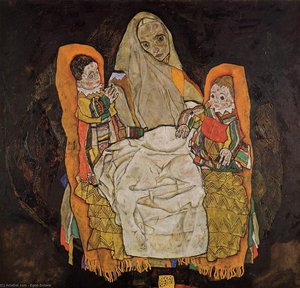
Explore Egon Schiele’s haunting ‘Mother with Two Children’ (1917). A poignant Expressionist portrait of grief & family, rich in emotion & historical context. Own a piece of art history.
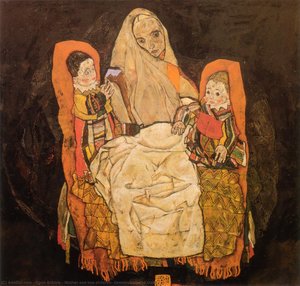
Explore 'Mother and Two Children' (1917) by Egon Schiele – a poignant Expressionist portrait capturing maternal intimacy with Schiele’s signature raw emotion and striking lines.
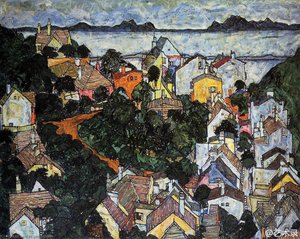
Experience Egon Schiele's 'Summer Landscape, Krumau' (1917). This vibrant oil painting captures a picturesque Austrian town with expressive lines and emotional depth. Own a stunning reproduction today!
This JSON response fulfills your request for a concise meta description optimized for SEO.
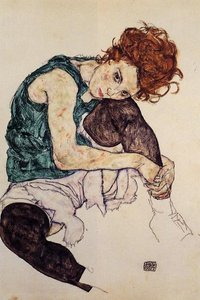
Explore Egon Schiele's haunting 'Portrait of the Artist,' painted in 1917. Capturing melancholic beauty and subtle emotion, this masterpiece exemplifies Schiele’s signature style—a poignant reflection on life and death.
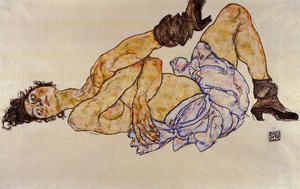
Egon Schiele’s haunting watercolor ‘Reclining Female Nude,’ born from grief and imbued with Expressionist fervor, captures profound vulnerability through its simple composition and ethereal hues—a timeless masterpiece inviting contemplation and artistic appreciation.
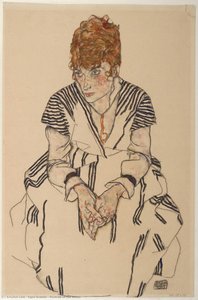
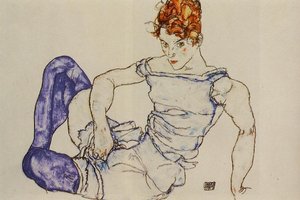
Detailed analysis of the artwork’s composition, technique, symbolism (violet stockings representing sensuality), and historical context within Schiele’s oeuvre. Highlights include biographical information about Edith Harms and the artist's broader artistic concerns.