Showing 24 artworks out of 76 with Egon Schiele and with Psychological Art

-
Egon Schiele
-
Psychological Art
Not available for this selection
- Expressionism
- Expressionist Painting
- Expressionist Movement
- Expressionist Anxiety
- Egon Schiele
- Expressionist Angst
- Cubist Expressionism
- Expressionist
- Expressionist Style
- Expressionist Anxiety Modern Condition
- Expressionist Portrait
- Expressionist Anxiety Modern
- Vienna
- Expressionist Landscape
- Expressionist Art
- Art Nouveau
- See all
- Rosy Brown
- Putty
- Khaki
- Driftwood
- Espresso
- Bronze
- Phthalo Green
- Clay
- Walnut
- White
- Black
- Gray
- Coral
- Celadon
- Psychological Art
- Egon Schiele
- Expressionism
- Austrian Art
- Portrait Painting
- Vienna Artist
- Bold Lines
- Fine Art Reproduction
- Modern Art
- Austrian Painter
- Mortality Theme
- Early 20Th Century
- Vienna Painter
- Modern Art Style
- Symbolic Painting
- Avant-Garde Art
- Expressionism Art
- Avant-Garde Painting
- Portrait
- Portrait Art
- Art Deco Style
- Vulnerability
- Figure Painting
- Abstract Portrait
- Nude Portrait
- Symbolic Imagery
- Dark Palette
- Female Figure
- Symbolism
- Sketch
- Vienna Art
- Czech Republic Museum
- Self Portrait
- Emotional Intensity
- Intense Emotion
- Nude Painting
- Raw Emotion
- Death And Maiden
- Charcoal Drawing
- Naked Figure
- Anxiety Art
- Line Drawing
- Male Figure
- Intimacy
- Leopold Museum
- Vienna Art Scene
- Distorted Figures
- 1913 Artwork
- Early 20Th Century Art
- Renaissance Motif
A Life Forged in ExpressionBorn in 1890 in the Austrian town of Tulln an der Donau, Egon Schiele’s life was a tempestuous journey marked by both extraordinary artistic vision and profound personal hardship.
Delve into the unsettling beauty of Egon Schiele’s ‘untitled (1264)’ – a visceral Expressionist portrait capturing vulnerability and pain with bold lines & striking contrasts. Explore premium reproductions now!
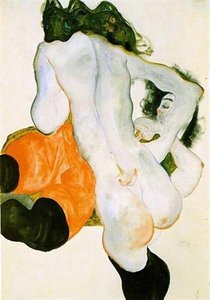
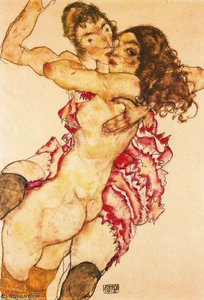
Experience the raw emotion of Egon Schiele’s ‘Due Donne.’ This iconic Expressionist painting captures intimacy and vulnerability through bold lines and evocative imagery – explore stunning reproductions today!
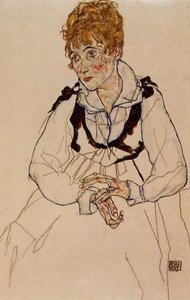
Delve into the raw emotion of Egon Schiele's 'untitled (6044)' – a striking Expressionist portrait capturing vulnerability and intensity with bold lines & unsettling gaze.
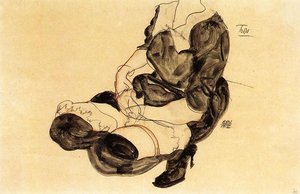
Admire Egon Schiele's haunting masterpiece 'Female nude with shirt pushed up,' a poignant exploration of vulnerability and emotion rendered in striking black and white. Discover the artist’s legacy at Český Krumlov.
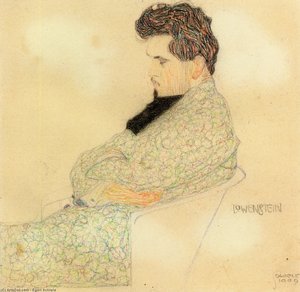
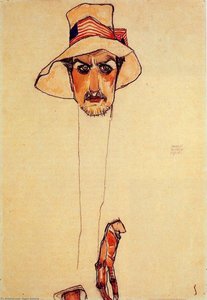
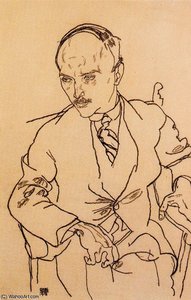
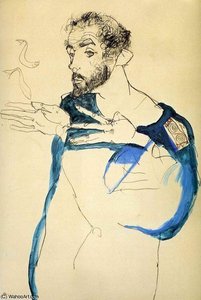
Explore Egon Schiele's intense 1909 portrait of composer Arthur Lowenstein. This expressive work showcases Schiele’s signature style and psychological depth.
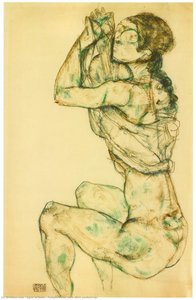
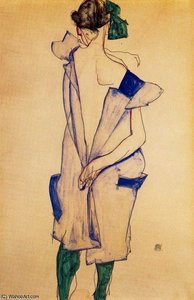
This artwork is meticulously crafted to reflect Schiele's distinctive style—bold lines, vibrant colors, and an unflinching gaze into the human psyche. Its depiction of female nudity transcends mere beauty, delving into themes of psychological torment and existential contemplation.
Born in Tulln an der Donau in 1890, Schiele endured hardships early in life including his father's syphilis diagnosis and the loss of his sister Elvira. Despite familial disapproval of his artistic pursuits, he excelled at drawing and was guided by Gustav Klimt. His uncle’s guardianship fostered independence while his marriage to Edith Harms brought him into military service.
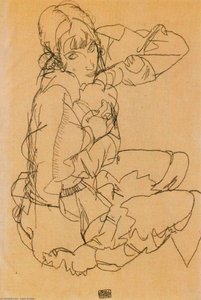
This evocative drawing portrays a woman embracing a dog, reflecting Schiele’s preoccupation with mortality and human emotion. Inspired by Klimt and marked by bold stylistic choices, ‘untitled (2560)’ exemplifies Expressionism's raw intensity.
Egon Leo Adolf Ludwig Schiele (German: [ˈeːɡɔn ˈʃiːlə] ; 12 June 1890 – 31 October 1918) was an Austrian Expressionist painter.
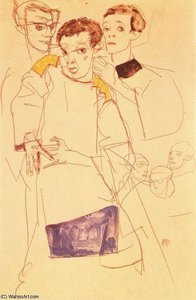
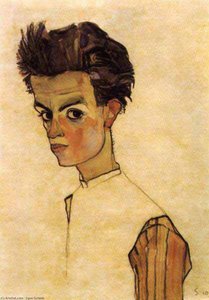
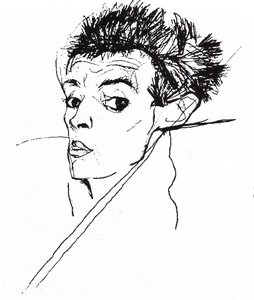
This striking self-portrait showcases Schiele's signature Expressionist style—loose lines, intense gaze and unsettling vulnerability. Explore its symbolism & technique!
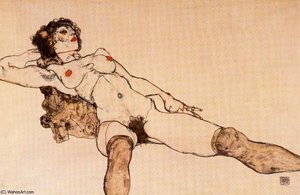
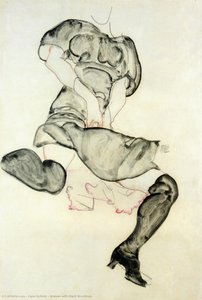
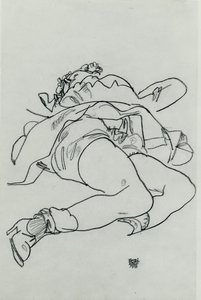
Discover Egon Schiele’s ‘Reclining Woman,’ a haunting black & white sketch of a vulnerable nude. Explore expressive realism & dynamic lines in this pivotal early 20th-century artwork.
Egon Schiele’s fragmented portrait captures vulnerability through distorted lines and muted tones, reflecting the artist's Expressionist style and preoccupation with mortality during WWI. Explore this unsettling yet beautiful depiction and discover a timeless masterpiece to own.