Showing 10 artworks with Eugène Henri Paul Gauguin and with 1891 and with Symbolism
-
Eugène Henri Paul Gauguin
-
1891
-
Symbolism
Not available for this selection
- Driftwood
- Clay
- Bronze
- Espresso
- Gray
- Rosy Brown
- Putty
Not available for this selection
- Paul Gauguin
- Symbolism
- Post-Impressionism
- Painting
- 1891
- Tahiti
- Art
- Portrait
- Color
- Landscape
- Vibrant Colors
- Impressionism
- Color Palette
- Oil Painting
- Tropical
- Tahitian
- Art History
- Melancholy
- Art Deco
- Tahitian Art
- Decorative Art
- French Polynesia
- Woman
- French Art
- Landscape Art
- Watercolor Painting
- Avant-Garde Art
- Earth Tones
- Kunsthistorisches Museum Vienna
- Artist Expression
- Indigenous
- Self Portrait
- Cloisonnism
- Native Culture
- Impressionist Influence
- Child
- Bathing
- Breton Art
- Te Faaturuma
- Post Impressionism
- Decorative Style
- Gauguin Art
- Movement
- Polynesian Culture
- Tahitian Women
- Musée Du Berry
- Synthetism
- Brushstrokes
- Fine Art
- Man With An Ax
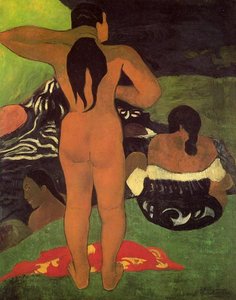
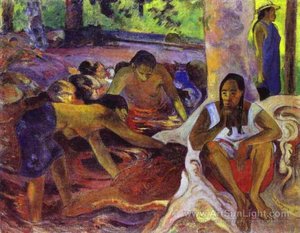
Paul Gauguin's 'Tahitian Women Bathing' captures a serene scene of native women in a lush landscape, embodying Post-Impressionism and Gauguin’s exploration of culture & spirituality.
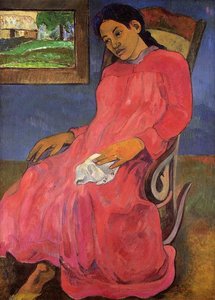
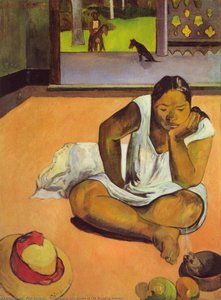
Paul Gauguin's 'Faaturuma' (Melancholy) captures a poignant Tahitian woman lost in thought, showcasing his bold colors & exploration of human emotion. A masterpiece of Post-Impressionism.
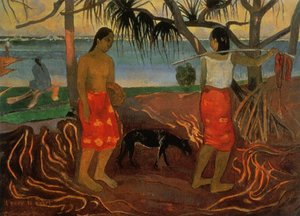
Paul Gauguin's 'I Rara Te Oviri' captures Polynesian life beneath a pandanus tree. Vibrant colors, simple composition & synthetism reflect his quest for authenticity in Tahiti (1891). Explore this iconic post-impressionist masterpiece.
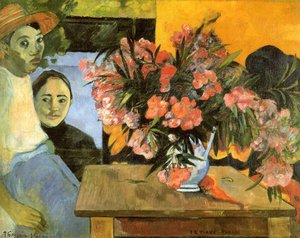
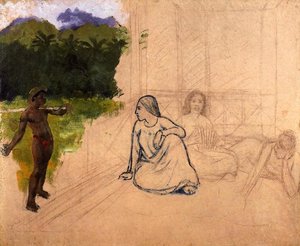
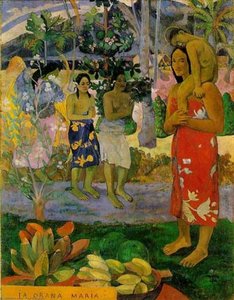
Paul Gauguin's "We Hail Thee Mary" is a vibrant Post-Impressionist masterpiece depicting a tropical scene with religious symbolism. Explore its rich colors, dynamic composition & Gauguin’s unique style.
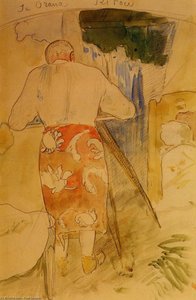
Paul Gauguin's 'Man with an Ax' (1891) captures Polynesian life with bold colors & expressive brushstrokes. A key Post-Impressionist work exploring themes of labor and culture.
Paul Gauguin's 'Te Faaturuma' (The Brooding Woman) captures a poignant Tahitian woman lost in thought, embodying Post-Impressionism’s emotive power and symbolic depth. Explore its rich details & Gauguin’s artistic legacy.
‘The fisherwomen of Tahiti’ is a stunning example of Cloisonnism, created by Paul Gauguin in 1891. Explore Tahitian village life and Gauguin's distinctive style on WikiArt.
Delve into Gauguin's iconic 'Ja Orana Ritou,' capturing Tahiti’s spirit with bold hues & symbolic representation. Explore this masterpiece of Post-Impressionism and discover the artist's enduring legacy.