Showing 24 artworks out of 89 with Eugène Henri Paul Gauguin and with Symbolist Art
-
Eugène Henri Paul Gauguin
-
Symbolist Art
Not available for this selection
- Espresso
- Phthalo Green
- Walnut
- Putty
- Driftwood
- Rosy Brown
- Quinacridone Magenta
- Sap Green
- Clay
- Bronze
- Cobalt Violet
- Gray
- Brown
- Mahogany
- Yellow Green
- Orange
- Symbolist Art
- Paul Gauguin
- Post-Impressionism
- Fine Art Reproduction
- Color Palette
- Bold Colors
- French Painter
- Landscape Painting
- Tahitian Painting
- Decorative Art
- Art History
- French Polynesia
- Impressionist Influence
- Tropical Landscape
- French Impressionism
- Impressionism
- Synthetist Style
- Vintage Painting
- Fine Art Print
- Post Impressionism
- Oil On Canvas
- Botanical Art
- Art Deco Influence
- Tahitian Landscape
- Cloisonnism Style
- Tahitian Art
- European Art History
- Tahiti Painting
- Rural Scene
- Tahiti
- French Art
- Gauguin Artwork
- Oil Painting Reproduction
- Art Decoration
- Gauguin Style
- Oil Painting
- Religious Symbolism
- Tahiti Landscape
- Artist Biography
- Breton Landscape
- Art Deco Style
- 1892 Artwork
- Quiet Atmosphere
- Rural Landscape
- Vibrant Colors
- Decorative Painting
- Brittany Landscape
- Painting Technique
- Synthetism
- Landscape Art
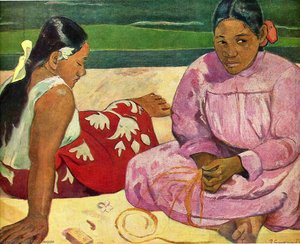
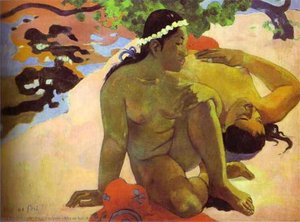
Experience the serene beauty of Gauguin's 'untitled (8677)' – a beach scene brimming with vibrant color and symbolic imagery, reflecting his quest for authenticity and spiritual exploration.
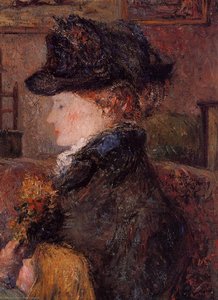
Admire Paul Gauguin’s masterpiece ‘Ingeborg Thaulow,’ a vibrant Post-Impressionist portrait capturing the serene beauty of Tahiti. Explore its symbolism and artistic context.
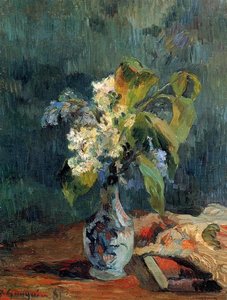
Explore Paul Gauguin’s ‘Lilac Bouquet,’ a vibrant Impressionist masterpiece capturing the beauty of lilacs against a serene blue backdrop—influenced by Cézanne and imbued with Symbolist emotion.
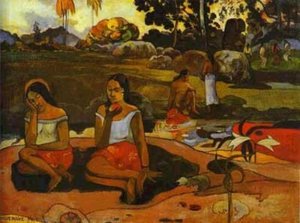
Paul Gauguin’s Nave Nave Moe (1896) captures the essence of Polynesian culture with bold colors, simplified forms, and symbolic representations—a masterpiece of Post-Impressionism.
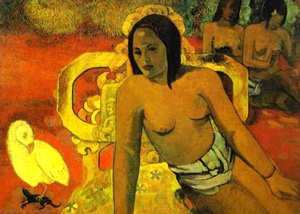
Delve into Gauguin's mesmerizing *Vairumati tei Oa*, capturing Polynesian mythology and artistic innovation. Explore vibrant colors, symbolic imagery & Gauguin’s legacy at the Pushkin Museum.
“Street in Rouen” by Paul Gauguin exemplifies Post-Impressionism's bold color palette and expressive brushstrokes. Painted in 1884, it captures a Parisian street scene with remarkable detail and symbolic depth. Explore Impressionist legacy!
Eugène Henri Paul Gauguin (1848-1903) revolutionized art with bold color palettes and exotic subjects, forging a path from finance to artistic legend. His formative years in Peru instilled a passion for diverse cultures that profoundly influenced his distinctive style.
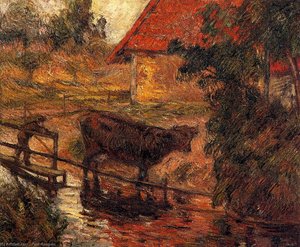
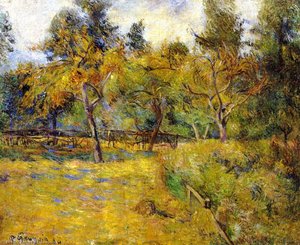
Experience Paul Gauguin's 'Watering Place,' a serene depiction of rural life infused with Symbolist color and featuring cows near a barn, reflecting his influence on modern art.
Paul Gauguin: A revolutionary Post-Impressionist painter known for bold colors, exotic subjects & Symbolist themes. Explore his journey from finance to artistic legend.
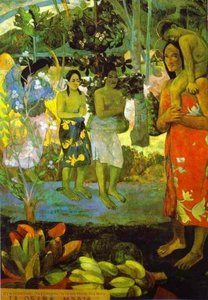
Explore Paul Gauguin’s "Ia Orana Maria," a mesmerizing Tahitian painting blending Christian symbolism with Polynesian landscapes—a masterpiece of Post-Impressionism and Symbolist art.
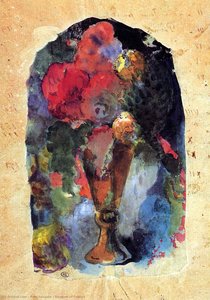
Explore Paul Gauguin’s ‘Bouquet of Flowers,’ a vibrant Tahitian watercolor celebrating color and form with Synthetism's bold hues and flattened planes—a cornerstone of Symbolist art.
Eugène Henri Paul Gauguin (; French: [øʒɛn ɑ̃ʁi pɔl ɡoɡɛ̃]; 7 June 1848 – 8 May 1903) was a French painter, sculptor, printmaker, ceramist, and writer, whose work has been primarily associated with the Post-Impressionist and Symbolist movements. He was also an influential practitioner of wood engraving and woodcuts as art forms.
Explore Paul Gauguin's (1848-1903) vibrant Post-Impressionist art, from Tahitian landscapes to Symbolist themes. Discover his influence on Fauvism & modern art.
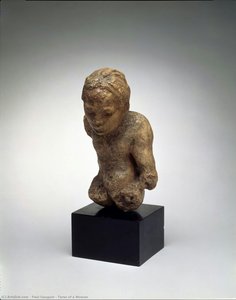
Delve into Paul Gauguin's 'Torso of a Woman,' a striking clay sculpture embodying Symbolist aesthetics—textured surfaces, earthy hues & contemplative stillness. Explore its artistic legacy.
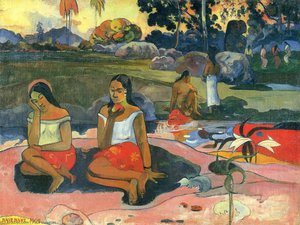
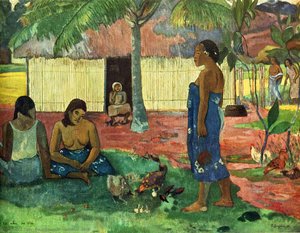
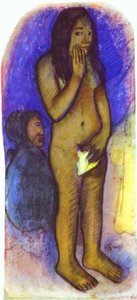
This painting delves into themes of cultural clash and spiritual contemplation, reflecting Gauguin’s fascination with Polynesian beliefs and his critique of Western influence. Its meticulous detail captures the essence of Tahitian landscape and human figures.