Showing 5 artworks with Federico Fiori Barocci and with 1579 and with Federico Barocci
-
Federico Fiori Barocci
-
1579
-
Federico Barocci
Not available for this selection
- Gray
- Putty
Not available for this selection

- Federico Barocci
- Italian Art
- Madonna Del Popolo
- Nude Figure
- Charcoal Drawing
- Baroque Art
- Renaissance Painting
- Charcoal Sketch
- Florence
- Uffizi Gallery
- Angel
- “Art Preparatory Sketch”
- Florence Art History
- Classical
- “Dark Charcoal Tones”
- Mannerism
- Tintoretto
- Hurdy-Gurdy
- Urbino
- Religious Painting
- Anatomical Study
- Baroque Influence
- Barocci
- Renaissance
- “Male Figure Study”
- Vatican Belvedere
- Angel Putto Drawing
- Chiaroscuro
- Baroque Art Inspiration
- Painting
- Baroque
- “Anatomical Study”
- “Uffizi Florence”
- Study
- Barozzi
- “Gesture Drawing”
- Renaissance Drawing
- Renaissance Art
- “Madonna Del Popolo”
- Human Anatomy Detail
- “Renaissance Art”
- Renaissance Sculpture Influence
- Baroque Style
- Putto
- Hand Study”
- Nude Figure Study
- Anatomical Detail
- Anatomy Study
- Preparatory Artwork
- “Italian Art”
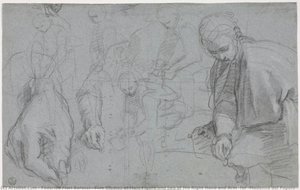
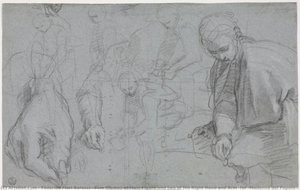
Federico Barocci’s charcoal study ‘Five Studies…’ showcases Baroque dynamism & anatomical detail. Explore this preparatory drawing for the ‘Madonna del Popolo’ masterpiece.
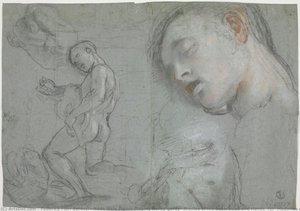
Delve into Federico Barocci’s masterful charcoal sketch 'Nude Male Playing Hurdy-gurdy,' a preparatory study for the Madonna del Popolo masterpiece. Explore anatomical precision & Renaissance artistry.
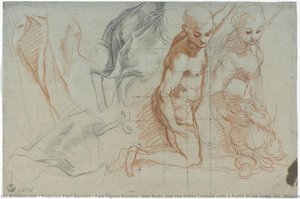
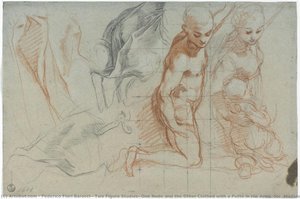
Federico Barocci's 'Two Figure Studies' showcases a nude woman and a clothed man with an angel, a dynamic Baroque masterpiece from 1579 at the Uffizi Gallery in Florence.
Delve into Federico Barocci’s masterful charcoal sketch 'Nude Male Playing Hurdy-gurdy,' a preparatory study for the Madonna del Popolo masterpiece. Explore anatomical precision & Renaissance artistry.
Federico Fiori Barocci's 'Two Figure Studies,' one nude and the other clothed with a putto in his arms (for “Madonna del Popolo”, Firenze, Galleria degli Uffizi), created in 1579, is a charcoal drawing measuring 21 x 32 cm housed at the Uffizi Gallery. This study exemplifies Barocci's influence on Baroque art and showcases anatomical precision.