Showing 10 artworks with Fernand Léger and with 1914 and with Fernand Léger

-
Fernand Léger
-
1914
-
Fernand Léger
Not available for this selection
- Putty
- Gray
- Walnut
- Espresso
- Khaki
- Fernand Léger
- Modern Art
- Machine Age
- Cubism
- Geometric Abstraction
- Still Life
- Dynamic Composition
- Composition
- Industrial Design
- Color Palette
- Tubism
- Surrealist Elements
- Painting
- Parisian Avant-Garde
- Geometric Art
- 1914 Artwork
- Contemporary Art
- Staircase
- French Modern Art
- Home Decor
- "Modern Art
- Art Collector
- Blue
- Tubism Art
- Pastel Colors
- Red
- Decorative Art
- Avant-Garde Art
- Geometric
- Multiple Perspectives
- Geometric Forms
- "Avant-Garde
- Parisian Art Scene
- Cubist Influence
- Bold Colors
- "Abstraction
- Form Integration
- "Dynamism
- Cubist Landscape
- Staircase Painting
- "Machine Age
- 1914
- Portrait Painting
- Surrealism Influence
- "Composition Viii
- Sculpture Influence
- "Abstract Expressionism
- "Circles
- Teddy Bear Sculpture
- Abstract Print
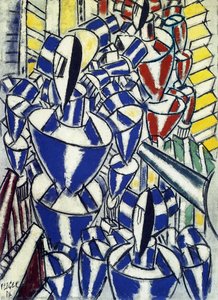
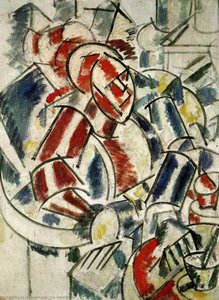
The Exit of the Russian Ballet by Fernand Léger – A striking painting depicting a group of figures standing before a building, adorned with scattered cups and bowls, capturing the energy of urban life through Léger’s distinctive geometric abstraction.
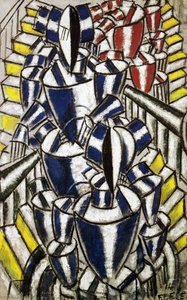
Fernand Léger Fernand Léger was born Joseph Fernand Henri Léger in 1881 amidst the rural landscapes of Argentan, Normandy. He pursued architecture initially but transitioned to painting around 1900, establishing himself in Paris and supporting fellow artists. Argentan France 1881 1914 1955 A painting depicting a staircase filled with people moving upwards. The figures are adorned with helme
Fernand Léger’s "Composition VIII" embodies the energy of industrial progress through bold geometric shapes and vibrant hues—a cornerstone of abstract expressionism.
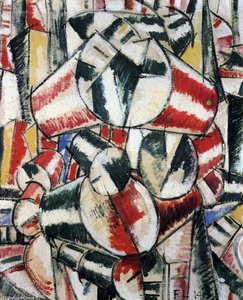
The painting showcases a teddy bear surrounded by geometric shapes and colors, reflecting Léger's fascination with industrial forms and his innovative approach to abstraction.
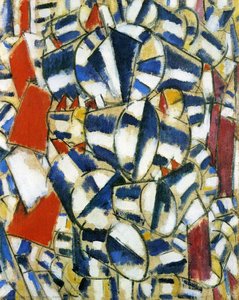
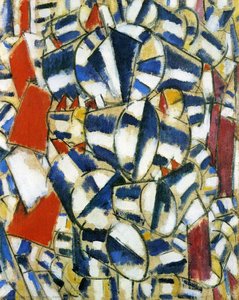
Explore Fernand Léger’s ‘Contrasted Forms,’ a dynamic Tubism masterpiece! Vibrant geometric shapes & bold colors capture modernity. A key work by this influential artist.
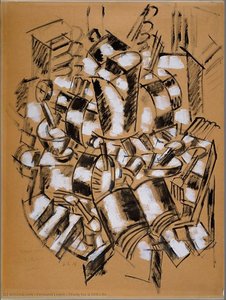
Study for a Still Life by Fernand Léger – This charcoal drawing captures the energy of the machine age with six bottles and a pipe, showcasing Léger’s innovative approach to abstraction rooted in observation. Explore this 1914 masterpiece!
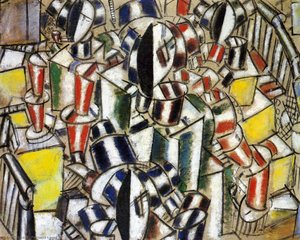
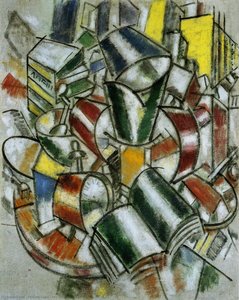
Fernand Léger's 'Still Life' (1914) captures the dynamism of the Tubism movement with bold colors and geometric forms, reflecting the era’s industrial spirit. Explore this iconic work!
Explore Fernand Léger’s striking landscape composition featuring bottles arranged like trees—a bold fusion of geometric abstraction and natural observation from the influential Cubist period. Discover this captivating artwork and bring a touch of modernist innovation into your home.