Showing 24 artworks out of 198 with Fernand Léger and with Balanced

-
Fernand Léger
-
Balanced
Not available for this selection
- Cubism
- Geometric Abstraction
- Cubist Modernity
- Cubist Synthesis
- Cubist
- Tubism
- Cubist Expression
- Cubist Style
- Abstract Expressionism
- Cubism Cubism
- Cubist Analytical
- Cubist Composition
- Cubist Expressionism
- Cubist Geometric Abstraction
- Cubist Landscape
- Cubist Movement
- Cubist Tubism
- Geometric Modernism
- Cubist Collage
- Cubist Still Life
- Cubist Abstraction
- Constructivist Suprematism
- Cubist Modernism
- Purist Modernism
- Cubist & Tubism
- See all
- Phthalo Green
- Espresso
- Quinacridone Magenta
- Gray
- Walnut
- Sap Green
- Black
- Prussian Blue
- Cobalt Violet
- Sea Green
- Midnight Blue
- Fernand Léger
- Modern Art
- Geometric Abstraction
- Cubism
- Contemporary Art
- Geometric Art
- Machine Age
- Dynamic Composition
- Abstract Painting
- Cubist Painting
- Art Reproduction
- 20Th Century Art
- Geometric Shapes
- Early 20Th Century
- Abstract Art
- Tubism
- Industrial Art
- Art Collector
- Bold Colors
- French Artist
- Painting
- French Painter
- Fernand Léger Artwork
- Wall Hanging
- Industrial Design
Explore Fernand Leger’s ‘The Wedding,’ a dynamic Cubist masterpiece! Geometric abstraction, earthy tones & layered textures evoke introspection. Perfect for collectors & interior design.
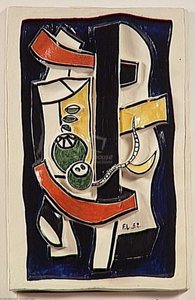
A vibrant symphony of industrial modernity and organic beauty, this 1952 ceramic sculpture by Fernand Léger masterfully blends bold colors with mechanical forms, inviting you to explore a masterpiece of the machine age.
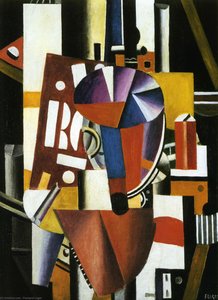
Explore Fernand Léger’s groundbreaking cubist masterpiece—a vibrant depiction of a head interwoven with industrial elements like cars and clocks—capturing the energy of the machine age and inviting you to bring this iconic artwork into your home.
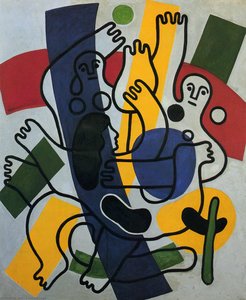
Explore Fernand Léger’s dynamic ‘Dance,’ a vibrant collage of figures embodying the energy of the machine age in 1942's bold abstraction—a captivating piece to enrich your art collection.
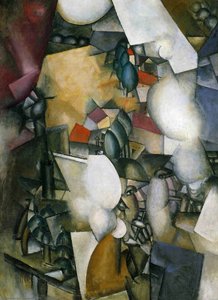
Fernand Léger’s vibrant Cubist painting ‘Smokers’ captures the energy of industrial life through stylized figures and scattered birds—a bold exploration of form and movement emblematic of the early 20th century. Immerse yourself in this captivating artwork and bring a piece of modern art history into your home.
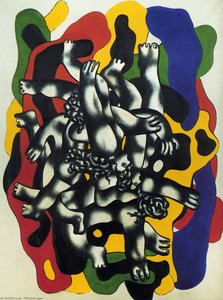
Boldly abstract yet grounded in observation, Fernand Léger’s ‘Plungers II’ showcases a vibrant collage of figures exploring the dynamism of industrial life during WWII, cementing his legacy as a pioneer of geometric abstraction and inviting you to experience this captivating artwork.
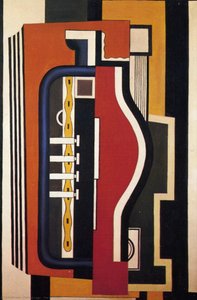
Fernand Léger’s vibrant accordion painting embodies modernist dynamism, blending bold geometric shapes and striking color palettes—primarily red and yellow—to capture the energy of industrial progress. Explore this iconic piece from 1926 and bring Léger's revolutionary vision home.
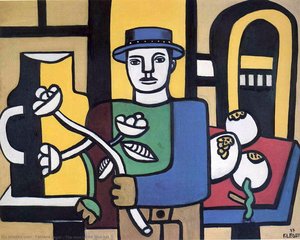
The man in the blue hat by Fernand Léger – WikiArt.org explores Purism’s fusion of abstraction and observation, depicting a contemplative figure amidst vases and flowers bathed in warm yellow hues. This portrait captures stillness and contemplation.
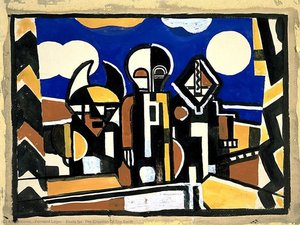
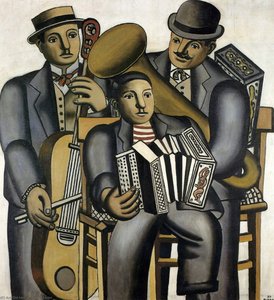
“Three musicians” was created in 1930 by Fernand Leger in Naïve Art (Primitivism) style. Find more prominent pieces of genre painting at Wikiart.org – best visual art database.
Fernand Léger, born Joseph Fernand Henri Léger in 1881 amidst the rural landscapes of Argentan, Normandy, stands as a pivotal figure in the evolution of modern art. His journey from the farmlands of his youth to the forefront of Parisian avant-garde circles is a testament to an unwavering artistic vision and a relentless pursuit of capturing the spirit of the machine age.
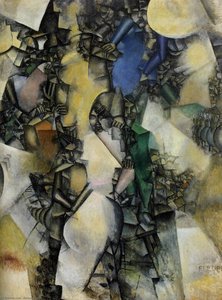
Fernand Leger’s ‘Two Women & Still Life’ (1920) is a striking Cubist masterpiece. Explore fragmented forms, stark contrasts, and geometric abstraction in this iconic work.
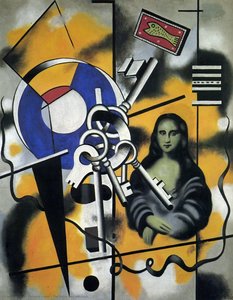
The Mona Lisa with keys - Fernand Léger's painting captures a woman gazing intently at the viewer amidst a backdrop of keys, fish, and a clock – symbolizing modern life’s complexities.
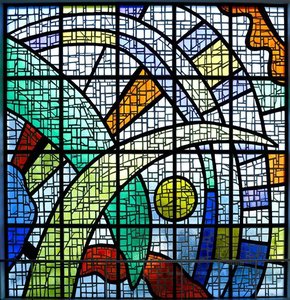
Explore Fernand Léger's vibrant stained-glass windows for the University of Caracas! A stunning Cubist masterpiece blending geometric shapes & bold colors.
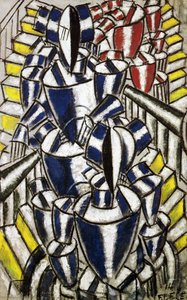
Fernand Léger Fernand Léger was born Joseph Fernand Henri Léger in 1881 amidst the rural landscapes of Argentan, Normandy. He pursued architecture initially but transitioned to painting around 1900, establishing himself in Paris and supporting fellow artists. Argentan France 1881 1914 1955 A painting depicting a staircase filled with people moving upwards. The figures are adorned with helme
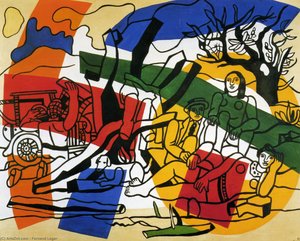
Fernand Léger's 'The Outing in the Country' (1954) captures a vibrant, communal scene in his signature Tubism style – a lively depiction of leisure and modern life with bold colors and dynamic forms.
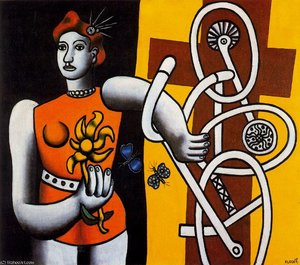
Fernand Léger's 'Woman with Wheel' embodies cubist innovation, blending organic forms—like the woman’s body—with geometric structures—the wheel and cross—to convey the impact of industrialization on human experience.
Explore Fernand Leger’s 1919 Cubist Still Life – a bold, geometric abstraction of industrial forms. Discover this dynamic artwork's vibrant colors & unique style.
Discover "The Man in the Tavern" by Fernand Léger! A modernist masterpiece featuring a lively tavern scene & a motorcycle backdrop. Explore Cubism & Leger's iconic style.
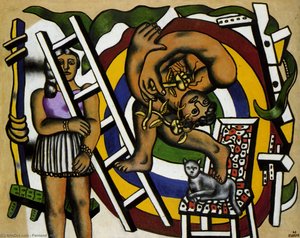
Explore Fernand Léger’s ‘The Acrobat & His Partner’! A vibrant, Cubist illustration bursting with bold colors & dynamic energy. Discover this surreal masterpiece!
Explore Fernand Léger’s groundbreaking cubist depiction of two figures amidst scattered books—a vibrant reflection of the machine age's influence on human interaction and intellectual pursuits. Discover this captivating artwork and bring its modernist aesthetic into your home.
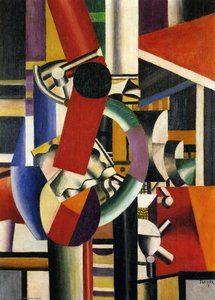
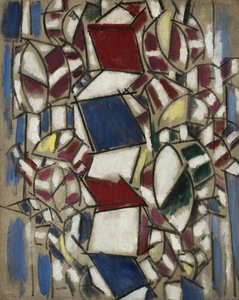
Explore 'Contrast of Forms' by Fernand Léger (1913). A dynamic abstract composition featuring geometric shapes & bold colors – a key work in early 20th-century Cubism.
“Green Fruit on Blue Background” by Fernand Léger – A striking Purist painting featuring apples and bananas against a vibrant blue backdrop, capturing the essence of geometric abstraction.