Showing 24 artworks out of 113 with Fernand Léger and with artwork date before 1929 and with artwork date after 1919

-
Fernand Léger
-
-1929
-
1919+
Not available for this selection
- Cubism
- Geometric Abstraction
- Cubist Style
- Cubist Synthesis
- Cubist Abstraction
- Cubist Still Life
- Cubist Modernism
- Cubist Modernity
- Constructivism
- Cubist
- Cubist Movement
- Tubism
- Constructivism Geometric Abstraction
- Cubism Cubism
- Cubist Collage
- Cubist Modern Art
- Cubist Portrait
- Mechanistic Cubism
- Purism Purism
- Analytical Cubism
- See all
- Putty
- Phthalo Green
- Espresso
- Rosy Brown
- Gray
- Quinacridone Magenta
- Walnut
- Sap Green
- Black
- Midnight Blue
- Driftwood
- Mahogany
- Celadon
- Brown
- Clay
- Bronze
- Plum
- Khaki
- Fernand Léger
- Modern Art
- Geometric Abstraction
- Cubism
- Geometric Art
- Machine Age
- Contemporary Art
- Dynamic Composition
- Cubist Painting
- Art Collector
- Abstract Painting
- Industrial Design
- Tubism
- Fernand Léger Artwork
- Industrial Art
- Avant-Garde Art
- Abstract Art
- 1920S Art
- Painting
- Modern Art Style
- Decorative Art
- French Artist
- Art Deco Style
- 20Th Century Art
- Art Reproduction
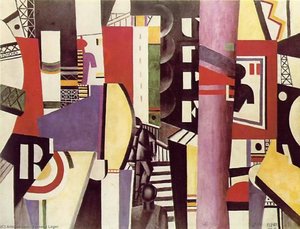
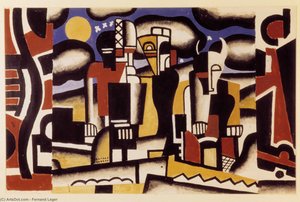
Explore Fernand Léger’s ‘The City’ (1919), a monumental Cubist masterpiece! Discover its dynamic urban vision & industrial aesthetic – a captivating artwork for modern interiors.
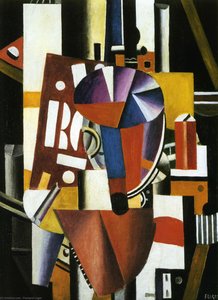
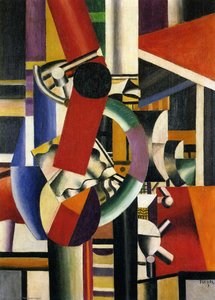
Explore Fernand Léger’s "The Mechanic" – a dynamic Cubist masterpiece blending human & machine aesthetics. A vibrant, symbolic artwork perfect for collectors.
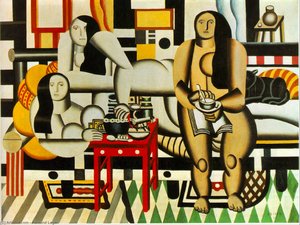
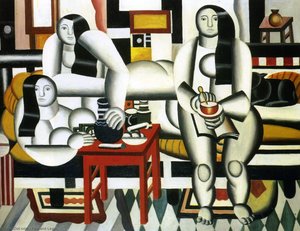
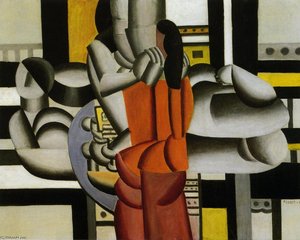
Fernand Léger’s "Three Women" (1921) – a dynamic Cubist masterpiece! Bold colors, geometric forms & Art Deco influence. Own a piece of modern art history.
Explore Fernand Léger’s groundbreaking cubist masterpiece—a vibrant depiction of a head interwoven with industrial elements like cars and clocks—capturing the energy of the machine age and inviting you to bring this iconic artwork into your home.
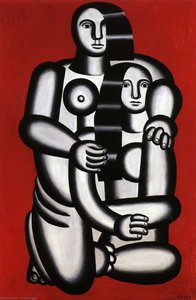
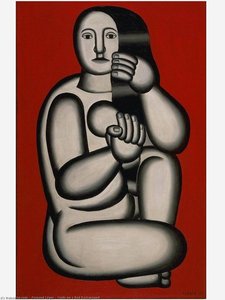
Fernand Léger's 'Two Figures, Naked on Red Bottom' (1923) is a striking Mechanistic Cubist masterpiece. Explore the bold forms, industrial themes & historical context of this iconic nude painting.
Explore Fernand Léger’s ‘Composition’ (1920), a pivotal Cubist work featuring dynamic forms & vibrant colors. Discover this masterpiece at the Kimbell Art Museum.
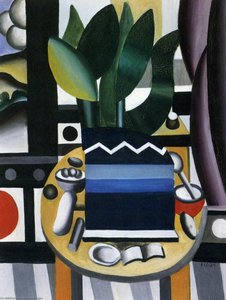
Still Life with Candlestick - Wikipedia The image is a painting of a still life featuring a vase with plants in it, placed on a table. The vase is blue and white, and the plants inside include a potted plant and some leaves. There are also several bowls scattered around the scene, one near the bottom left corner, another at the top right corner, and two more towards the center of the image. Addit
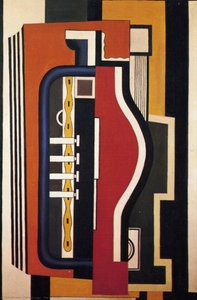
Fernand Léger’s vibrant accordion painting embodies modernist dynamism, blending bold geometric shapes and striking color palettes—primarily red and yellow—to capture the energy of industrial progress. Explore this iconic piece from 1926 and bring Léger's revolutionary vision home.
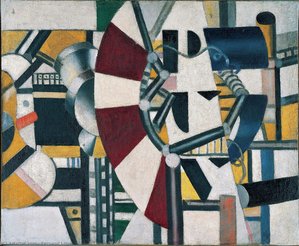
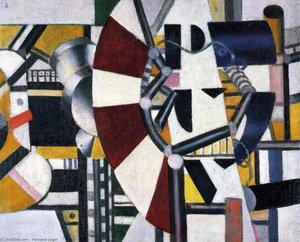
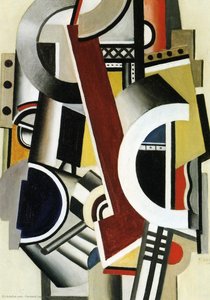
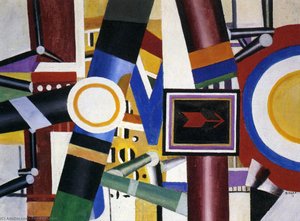
Fernand Léger's "Machine Elements" (1920) embodies the cubist aesthetic by fracturing geometric forms—primarily a large wheel adorned with red and white stripes—into interlocking planes, reflecting the mechanized landscape of his era. This monumental artwork showcases Leger’s distinctive style and captures the spirit of industrial innovation.
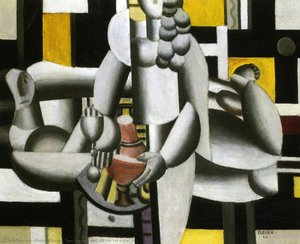
Fernand Leger’s ‘Two Women & Still Life’ (1920) is a striking Cubist masterpiece. Explore fragmented forms, stark contrasts, and geometric abstraction in this iconic work.
Experience the dynamic energy of Fernand Leger's 1927 Cubist masterpiece The Study for the City Centre where industrial Machine Age aesthetics meet bold geometric forms and a captivating invitation to explore modern art.
Explore Fernand Leger’s 1919 Cubist Still Life – a bold, geometric abstraction of industrial forms. Discover this dynamic artwork's vibrant colors & unique style.
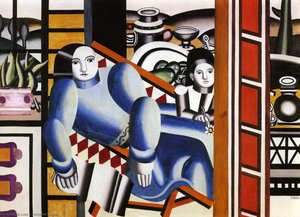
Explore Fernand Leger’s ‘Reading’ (1924): A stylized Cubist masterpiece featuring two figures in a flat, geometric composition. Discover its calm contemplation & unique artistic style.
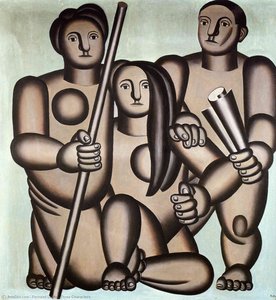
Explore Fernand Léger’s "Three Characters" (1924), a Cubist masterpiece blending geometric forms & vibrant color. Discover its influence on modern art & unique style.
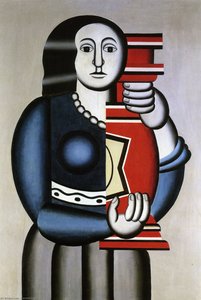
Fernand Léger’s striking nude on a red background embodies the dynamism of the machine age through bold geometric abstraction and contrasts with the woman's serene posture. Created in 1927, this Smithsonian American Art Museum masterpiece invites you to explore the artist’s revolutionary vision.
Explore Fernand Léger’s groundbreaking cubist depiction of ‘The Woman and the Child,’ capturing the energy of industrial life through fragmented forms and vibrant colors—a captivating piece from 1922 that invites you to enrich your collection.
Explore Fernand Léger's Cubist masterpiece 'Three Women and Still Life,' featuring fragmented forms and geometric shapes reflecting the machine age’s dynamism.
Cubist Fernand Léger’s ‘The Creation of the World’ captures a dynamic gathering amidst industrial buildings and geometric forms, reflecting the artist's fascination with machine age aesthetics – explore this iconic piece and bring its bold vision home.
Fernand Léger's 'The Level Crossing' explodes with vibrant circles and bold red poles – a dynamic Tubism masterpiece capturing the energy of the machine age. Explore its abstract beauty!
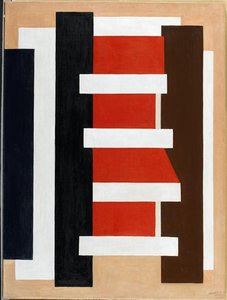
Bold geometric abstraction by Fernand Léger embodies the energy of the 1920s, featuring vibrant red and black striped squares arranged in a dynamic collage style—a captivating glimpse into the artist’s vision of industrial modernity and an inspiring opportunity to adorn your walls.
Still Life by Fernand Léger – This painting showcases a meticulously arranged collection of objects including a vase with flowers, bottle, cup, bowl, spoon, fork and knife, reflecting Léger’s fascination with geometric abstraction and the influence of industrial design.