Showing 24 artworks out of 50 with Francis Bacon

-
Francis Bacon
Not available for this selection
- Surrealist Expression Surrealism
- Expressionism
- Surrealism
- Expressionist
- Expressionist Painting
- Surrealist Expression
- Expressionism Expressionism
- Surrealism Surrealism
- Surrealist Expressionism
- Surrealist Movement
- Surrealist Painting Surrealism
- Dreamlike Surrealist Expression Surrealism
- Expressionist Style
- Neo-Figuration
- Surrealist
- Surrealist Surrealist
- Surrealist Movement Surrealist Movement
- Contemporary Expressionism
- See all
- Espresso
- Black
- Phthalo Green
- Walnut
- Rosy Brown
- Putty
- White
- Quinacridone Magenta
- Driftwood
- Mahogany
- Gray
- Celadon
- Brown
- Pink
- Bronze
- Orange
- Surrealism
- Francis Bacon
- Expressionism
- Portraiture
- British Art
- Psychological Art
- Dublin Artist
- Distortion
- Bacon
- Trauma
- Darkness
- Dark Palette
- Portrait Painting
- Figure Painting
- Intense Emotion
- Anxiety
- Disturbing Imagery
- Emotion
- Painting
- Anatomy
- Abstract Expressionism
- Abstract Painting
- Bacon Painting
- Horror
- Isolation
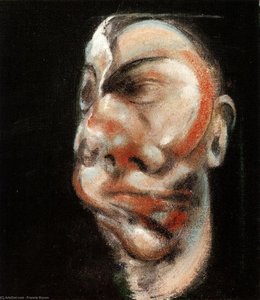
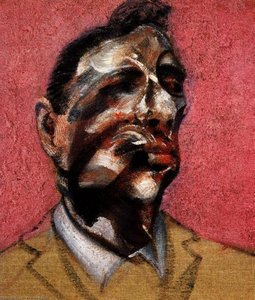
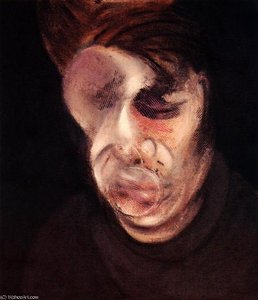
Study for Three Heads (right panel), oil on canvas by Francis Bacon (1909-1992). This unsettling depiction of the human face explores themes of trauma and distortion, reflecting Bacon's profound engagement with psychological anxieties.
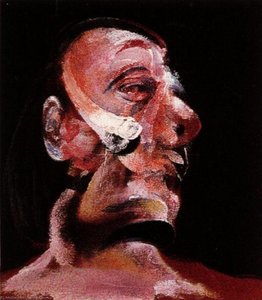
Three Studies of Muriel Belcher 3 by Francis Bacon – A haunting portrait featuring a man wearing a mask resembling human skin, reflecting Bacon’s exploration of psychological torment and visceral emotion.
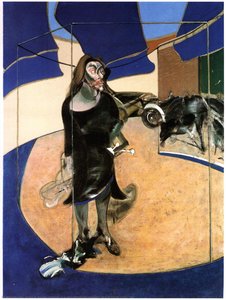
Experience Francis Bacon's 'Portrait of Isabel Rawsthorne' – a visceral exploration of existential angst set amidst Soho’s chaos. This iconic 1967 oil painting captures raw emotion through fractured forms and unsettling color, embodying Bacon’s signature Expressionist style.
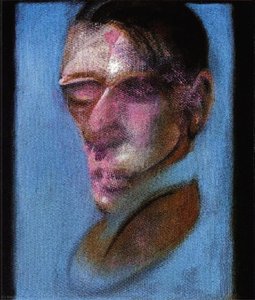
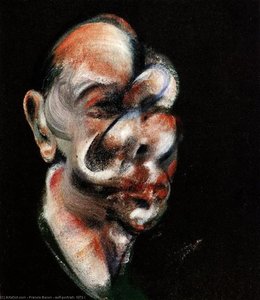
Three Studies for Self-Portrait, 1980, Center Panel - This iconic piece by Francis Bacon showcases an unsettlingly realistic depiction of a man's face—a haunting exploration of identity and emotion characterized by exaggerated features and a striking blue background.
An unsettling plunge into psychological distress defines this visceral Expressionist masterpiece by Francis Bacon that captures the raw isolation of post-war Europe and invites you to explore its haunting depths.
The painting depicts a man with a grotesquely distorted face, reflecting Bacon's preoccupation with psychological torment and the fragmentation of identity. Its unsettling imagery captures the artist’s visceral approach to portraying human emotion.
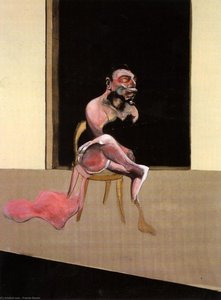
Triptych, August 1972 A - This unsettling painting depicts a man slumped on a chair with his head bowed, capturing Bacon's signature exploration of psychological torment and visceral emotion. Influenced by Surrealism and Expressionism, it showcases a haunting gaze and a desolate interior.
Delve into the haunting world of Francis Bacon with ArtsDot. Explore 25 iconic paintings, from his visceral portraits to powerful triptychs. Discover the stories behind these masterpieces & find museum-quality art reproductions for your home.
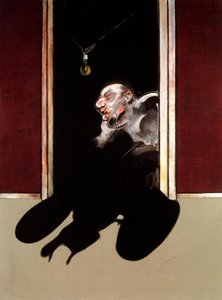
Man at Curtain by Francis Bacon – A haunting depiction of human vulnerability and isolation, characterized by distorted figures and stark contrasts against dark backgrounds.
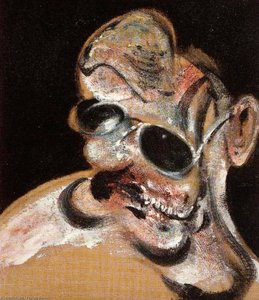
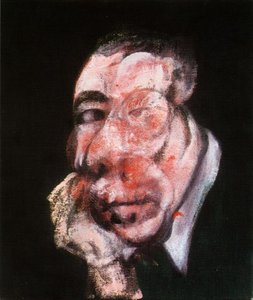
Portrait of Man with Glasses III, 1963 - This striking oil painting by Francis Bacon captures the unsettling gaze of a man obscured by sunglasses. Executed in 1963, it exemplifies Bacon's signature style – visceral emotion conveyed through distorted forms and textures.
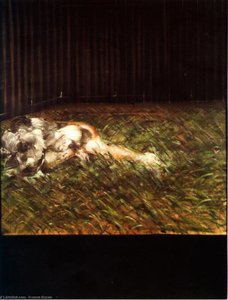
Experience the visceral tension of Francis Bacon's 1953 masterpiece Two Figures in the Grass, a haunting post-war study of human vulnerability and raw emotion that invites you to explore the depths of expressionism.
Two Figures in the Grass 1 by Francis Bacon – This evocative painting depicts two dogs resting on grass, accompanied by two people, capturing Bacon’s signature style of visceral emotion and unsettling imagery.
Study after Velazquez I, Tony Shafrazi Gallery, Francis Bacon - This striking black and white painting depicts a man seated in a chair with his head covered by cloth, capturing the artist's signature visceral emotion and exploring themes of introspection and displacement. Inspired by Velázquez’s masterpiece, it embodies Bacon’s distinctive style.
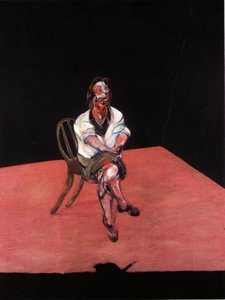
The painting depicts a man seated on a chair with his hands tied behind him, conveying distress and discomfort amidst an intense atmosphere. Two figures appear in the background, adding to the dramatic effect.
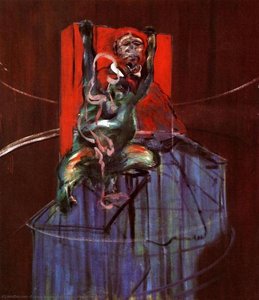
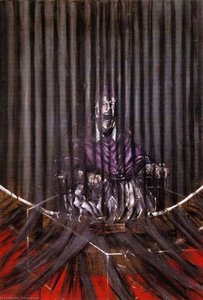
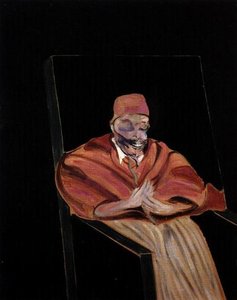
Study for a Pope IV - Francis Bacon A haunting depiction of mortality and psychological torment, this study captures the essence of Bacon's signature style – grotesque figures juxtaposed against stark backgrounds. The painting portrays a man with a skeleton face seated in a chair, embodying themes of decay and existential dread. Its unsettling imagery reflects Bacon’s preoccupation with human vul
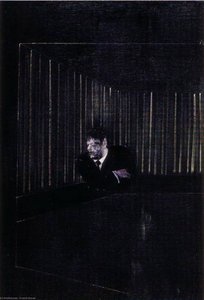
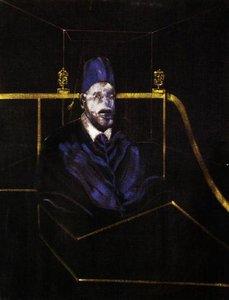
A hauntingly distorted portrait of existential dread by Francis Bacon captures a man trapped in geometric shadows through visceral expressionism, inviting you to explore the profound depth of this 20th-century masterpiece.
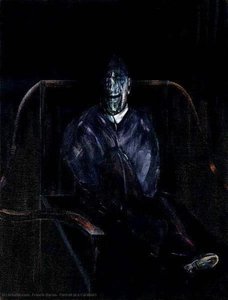
“Figure Seated (the Cardinal)” was created in 1955 by Francis Bacon in Expressionism style. Find more prominent pieces of portrait at WikiArt.org – best visual art database. Francis Bacon, a name synonymous with the rawest emotionality in 20th-century art, was born in Dublin, Ireland, in 1909, yet his artistic spirit found its truest expression within the turbulent landscape of post-war Britain. H
Two Studies for Self-Portrait, left - This haunting black and white painting by Francis Bacon depicts a man with a severely scarred face, capturing the artist's signature exploration of pain and psychological torment. A visceral portrayal of vulnerability and distortion.
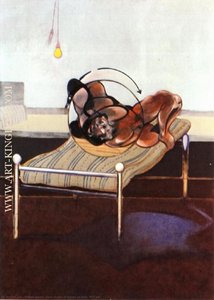
The painting depicts a naked man lying on a bed with his head turned to the side, accompanied by two other figures—one near the top left corner and another on the right side of the bed—creating a composition rich in psychological depth.
Head III (1961) by Francis Bacon – A haunting black and white portrait capturing the unsettling distortion of human emotion. Explore the visceral expressionism of this iconic piece.
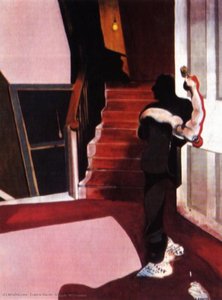
Triptych, 1971 Center - This painting depicts a solitary man on stairs before a window, holding a rope and accompanied by two figures, capturing Bacon's signature blend of psychological intensity and visceral emotion.