Showing 24 artworks out of 72 with Francis Bacon

-
Francis Bacon
Not available for this selection
- Expressionist Painting
- Expressionism
- Surrealist Expression Surrealism
- Expressionist Surrealism
- Surrealism Surrealism
- Surrealist Expression
- Expressionism Expressionism
- Surrealism
- Expressionist Abstraction
- Expressionist Distortion
- Contemporary Realism
- Surrealist
- Surrealist Surrealist
- Expressionistic
- Expressionist
- Expressionist Figurative Painting
- Expressionist Drama
- Futurist Expressionism
- Post-War Expressionism
- See all
- Espresso
- Black
- Driftwood
- Rosy Brown
- Phthalo Green
- Gray
- Quinacridone Magenta
- Brown
- Putty
- Mahogany
- White
- Celadon
- Clay
- Sea Green
- Walnut
- Blush
- Coral
- Surrealism
- Francis Bacon
- Expressionism
- British Art
- Bacon Painting
- Irish Artist
- Psychological Art
- Modern Art
- Dark Palette
- Painting
- Bacon
- Contemporary Art
- Dublin Artist
- Portrait
- Distortion
- Figure Painting
- Postwar Art
- Emotion
- Portrait Painting
- Portrait Study
- Home Decor
- Isolation
- Portraiture
- Abstract Expressionism
- Trauma
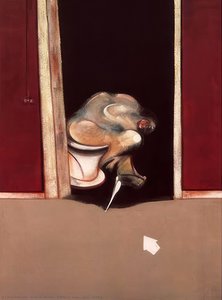
Explore Francis Bacon’s ‘Triptych, May-June 1973 a,’ a haunting oil painting of isolation & loss. Intense brushwork, deep reds, and symbolic doorways reveal profound emotion. A masterpiece of modern art.
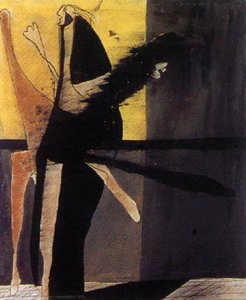
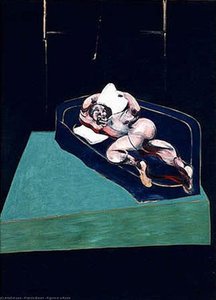
Composition, 1933 by Francis Bacon - This iconic painting depicts a woman cradling a giraffe, embodying Bacon’s signature exploration of primal emotion and psychological torment. Inspired by Jessie Lightfoot's influence and reflecting his turbulent upbringing, it showcases Bacon's distinctive style—a haunting blend of realism and abstraction.
This description highlights the key elements of the artwork: the artist, the subject matter (emotional distortion), and the overall feeling conveyed. It's designed to be engaging for potential buyers interested in Bacon’s work.
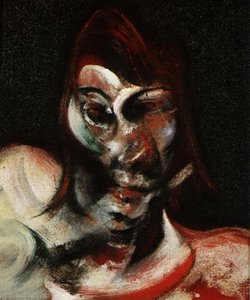
Francis Bacon’s haunting black and white portrait captures Henrietta Moraes's shocked gaze and intense emotion—a visceral exploration of the human condition emblematic of Expressionism and reflecting his profound engagement with psychological depth.
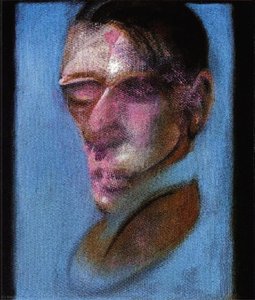
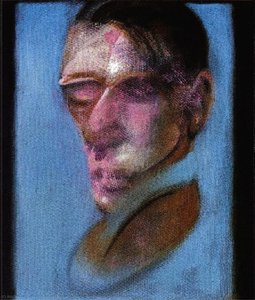
Three Studies for Self-Portrait, 1980, Center Panel - This iconic piece by Francis Bacon showcases an unsettlingly realistic depiction of a man's face—a haunting exploration of identity and emotion characterized by exaggerated features and a striking blue background.
The painting depicts a man with a grotesquely distorted face, reflecting Bacon's preoccupation with psychological torment and the fragmentation of identity. Its unsettling imagery captures the artist’s visceral approach to portraying human emotion.
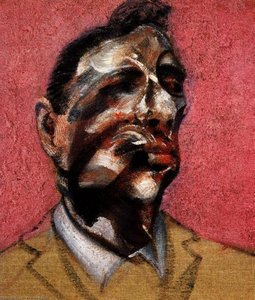
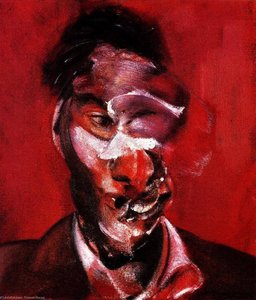
The image depicts a man's face against a stark red backdrop, characterized by distorted features and exaggerated expressions—a disconcerting portrayal reflecting Bacon’s exploration of psychological torment.
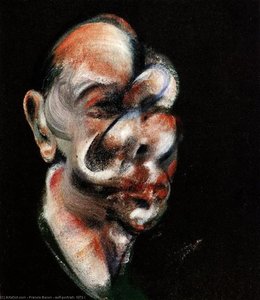
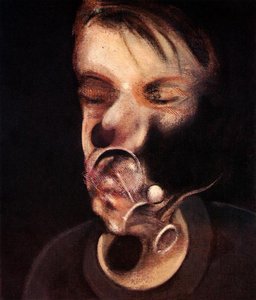
Explore Francis Bacon’s haunting 'Three Studies for Self-Portrait,' 1980 – a visceral depiction of distorted flesh and shadowed eyes capturing the artist's signature Expressionist style during the postwar era. Discover this iconic piece and bring its unsettling beauty into your home.
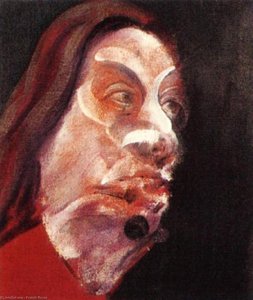
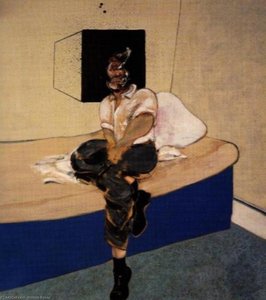
A haunting depiction of Isabel Rawsthorne by Francis Bacon, featuring bandages and a masked face amidst geometric structures—a visceral exploration of the human form.
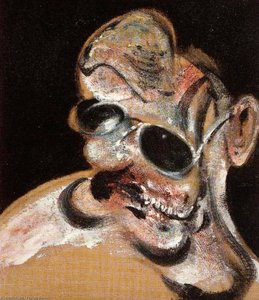
Portrait of Man with Glasses III, 1963 - This striking oil painting by Francis Bacon captures the unsettling gaze of a man obscured by sunglasses. Executed in 1963, it exemplifies Bacon's signature style – visceral emotion conveyed through distorted forms and textures.
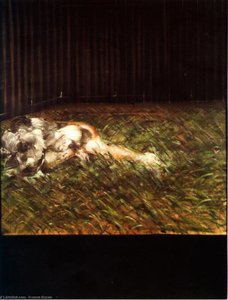
Experience the visceral tension of Francis Bacon's 1953 masterpiece Two Figures in the Grass, a haunting post-war study of human vulnerability and raw emotion that invites you to explore the depths of expressionism.
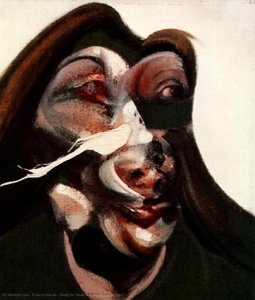
Study for Head of Isabel Rawsthorne I by Francis Bacon – A haunting portrait featuring a bird perched on the subject’s nose, capturing a moment of unsettling tension and visceral emotion.
Two Figures in the Grass 1 by Francis Bacon – This evocative painting depicts two dogs resting on grass, accompanied by two people, capturing Bacon’s signature style of visceral emotion and unsettling imagery.
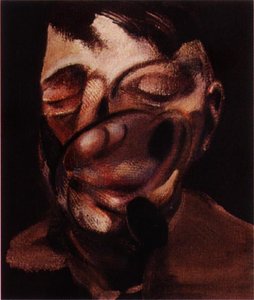
Two Studies for Self-Portrait, 1977 (b) by Francis Bacon – A haunting depiction of the artist’s gaze, rendered in stark black and white with subtle textural variations. Explore Bacon's masterful use of form and emotion to convey profound psychological insight.
Three Studies for Self-Portrait, Left (1974) - A haunting black and white photograph capturing Francis Bacon's introspective gaze as he contemplates his own visage.
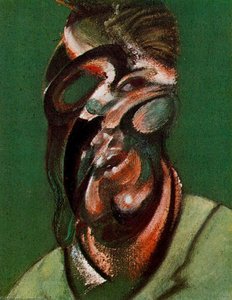
Explore Francis Bacon’s unsettling Study for Self-Portrait—a visceral expressionist masterpiece capturing a hauntingly distorted visage against a verdant backdrop. This iconic piece embodies the artist's signature style and invites you to immerse yourself in the raw emotion of postwar Britain.
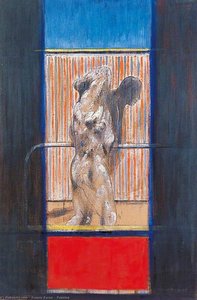
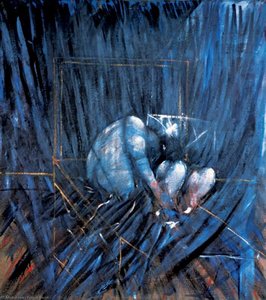
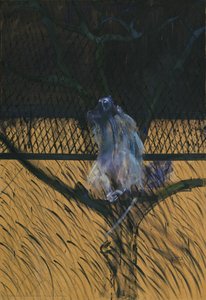
Francis Bacon’s haunting Study of a Baboon captures the unsettling stillness of postwar Britain through his signature expressive style—a visceral depiction of human vulnerability rendered in oil on canvas. Explore this iconic piece and bring Bacon's powerful vision home.
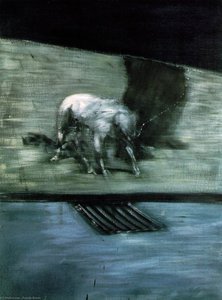
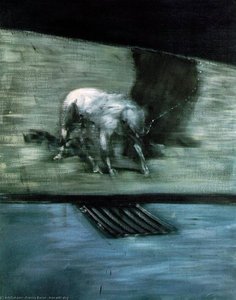
A haunting study of tension and primal emotion, Francis Bacon's 1953 masterpiece Man with Dog captures visceral psychological torment through distorted forms, inviting you to explore this iconic post-war expressionist work.
Francis Bacon’s unsettling study for a self-portrait captures a moment of profound isolation and psychological torment—a stark depiction in monochrome reflecting the artist's signature Expressionist style during the postwar era. Explore this iconic piece and bring its haunting beauty into your home.
The painting depicts a man and a dog intertwined on a metal grate, embodying Bacon's exploration of vulnerability and confinement amidst a dark backdrop.