Showing 24 artworks out of 72 with Francis Bacon

-
Francis Bacon
Not available for this selection
- Expressionist Painting
- Expressionism
- Surrealist Expression Surrealism
- Expressionist Surrealism
- Surrealism Surrealism
- Surrealist Expression
- Expressionism Expressionism
- Surrealism
- Expressionist Abstraction
- Expressionist Distortion
- Contemporary Realism
- Surrealist
- Surrealist Surrealist
- Expressionistic
- Expressionist
- Expressionist Figurative Painting
- Expressionist Drama
- Futurist Expressionism
- Post-War Expressionism
- See all
- Espresso
- Black
- Driftwood
- Rosy Brown
- Phthalo Green
- Gray
- Quinacridone Magenta
- Brown
- Putty
- Mahogany
- White
- Celadon
- Clay
- Sea Green
- Walnut
- Blush
- Coral
- Surrealism
- Francis Bacon
- Expressionism
- British Art
- Bacon Painting
- Irish Artist
- Psychological Art
- Modern Art
- Dark Palette
- Painting
- Bacon
- Contemporary Art
- Dublin Artist
- Portrait
- Distortion
- Figure Painting
- Postwar Art
- Emotion
- Portrait Painting
- Portrait Study
- Home Decor
- Isolation
- Portraiture
- Abstract Expressionism
- Trauma
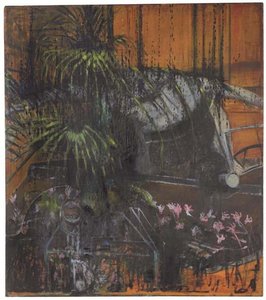
Landscape with Car by Francis Bacon - A striking black and white depiction of a cat amidst lush greenery, capturing the artist's signature visceral style and exploring themes of displacement and observation.
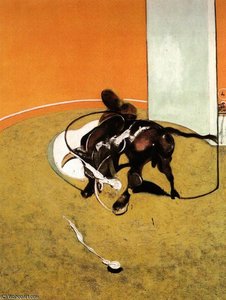
“Second Version of Study for Bullfight No. 1” was created in 1969 by Francis Bacon in Expressionism style. Find more prominent pieces of genre painting at WikiArt.org – best visual art database. sitename: www.wikiart.org date: 2024-03-27 tags: ['animals', 'bulls', 'bullfighting'] ### Second Version of Study for
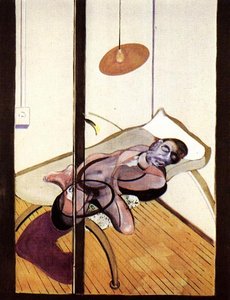
Sleeping Figure, 1974 - This haunting painting by Francis Bacon depicts a man lying on a bed with his head turned to the side, capturing a moment of profound stillness amidst unsettling imagery. The room’s details—chairs, lamps, and a clock—contribute to an atmosphere of quiet contemplation.
Francis Bacon’s haunting Study for a Portrait captures a moment of profound stillness amidst unsettling distortion—a masterful depiction from the mid-century British Expressionist movement inviting viewers to contemplate beauty and terror simultaneously.
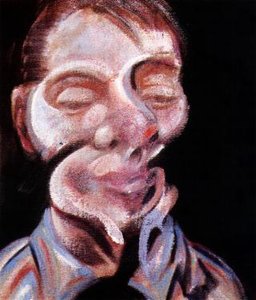
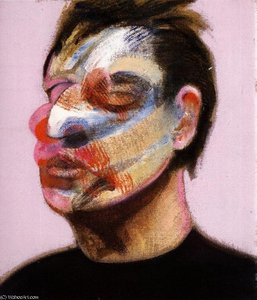
Explore Francis Bacon’s ‘Two Studies for a Self-Portrait.’ A textured, expressionistic portrait brimming with psychological intensity & raw emotion. Discover this iconic work.
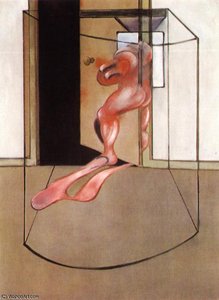
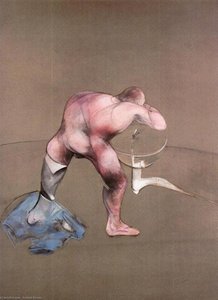
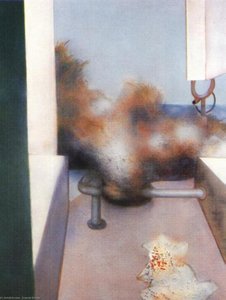
The painting depicts a naked man standing before a sink with his back turned to the viewer, embodying themes of vulnerability and isolation through expressive brushstrokes and bold colors.
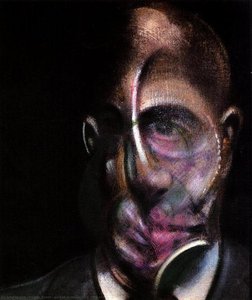
Francis Bacon’s unsettling portrait captures a man adorned with a chilling surgical mask, embodying the artist's signature expressionist style and reflecting the anxieties of postwar Britain. Explore this evocative masterpiece and bring its dramatic intensity into your home.
Francis Bacon’s haunting Two Studies for a Self-Portrait captures the unsettling stillness of sleep amidst grotesque clown noses and fabric masks—a visceral exploration of psychological torment emblematic of his Expressionist style and British postwar era.
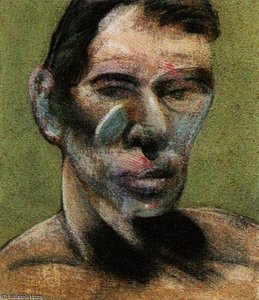
Francis Bacon’s unsettling portrait studies capture raw emotion through distorted figures against vibrant greens—a masterful depiction of vulnerability and psychological depth from the artist during his British period.
Sand Dune 1 by Francis Bacon – This evocative painting captures the dynamism of a windy beach scene featuring sand dunes, two figures, and a boat. Bacon’s signature style embodies visceral emotion and explores themes of displacement and psychological intensity.
“Seated Figure” by Francis Bacon (1961) explores themes of vulnerability and psychological torment through visceral imagery—a man seated on a stool with an open mouth against a brick wall backdrop—captured in Tate Britain’s Modern and Contemporary British Art collection.
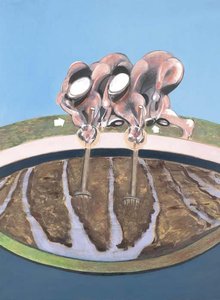
Two Men Working in a Field by Francis Bacon - This painting depicts three men laboring together in a field under a blue sky, punctuated by birds – a poignant exploration of human connection and vulnerability characteristic of Bacon’s style.
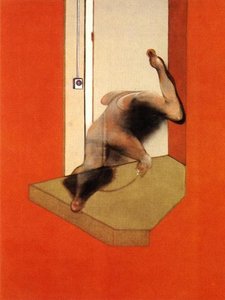
Francis Bacon’s unsettling Figuras en movimiento 1 captures a moment of profound vulnerability—a naked figure grappling with isolation and fear against a stark red backdrop. This iconic piece exemplifies Bacon's expressive figurative style, rooted in the postwar British art scene, inviting viewers to contemplate existential anxieties.
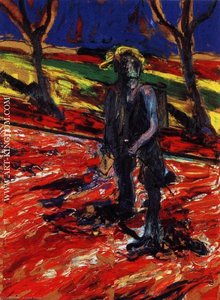
Francis Bacon’s haunting study captures the unsettling stillness of a man amidst dense foliage, embodying his signature brutalist style and reflecting the anxieties of postwar Britain. Explore this evocative portrait by the Irish icon – a captivating glimpse into raw emotion and artistic innovation.
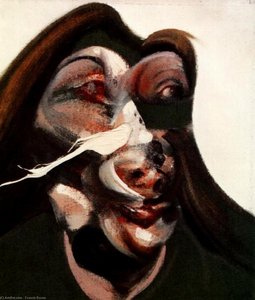
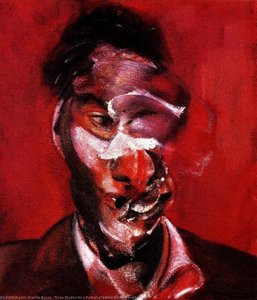
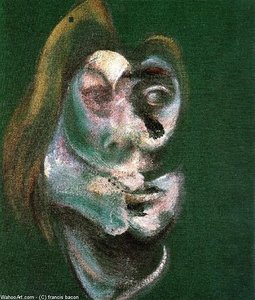
Francis Bacon’s unsettling Study for Head of Isabel Rawsthorne 1 captures the grotesque distortion of human form in an expressionist style—a haunting portrait reflecting the artist's profound exploration of psychological trauma. Discover this iconic piece and bring its visceral beauty into your home.
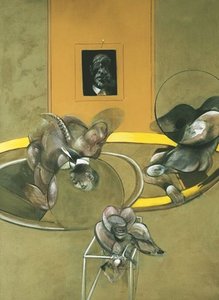
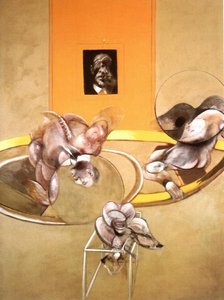
Experience the unsettling emotion of Francis Bacon's 'Three Figures and Portrait' (1975). This iconic Tate Gallery painting depicts three figures trapped within a confined space, embodying Bacon’s distinctive style.
Francis Bacon’s unsettling portrait study captures Lucian Freud's face in a distorted tableau of raw emotion—a hallmark of his Expressionist style and the turbulent postwar era. Explore this iconic piece and bring Bacon’s visceral vision into your home.
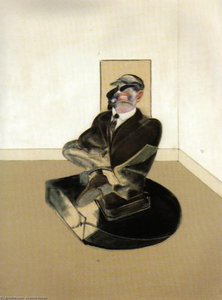
Francis Bacon’s unsettling portrait studies capture visceral emotion through distorted figures against stark white backgrounds—a hallmark of his expressive style during the 1960s. Explore this iconic piece and bring Bacon's haunting vision into your home.
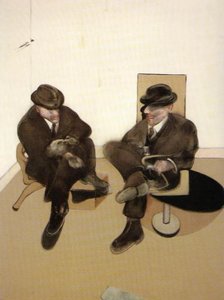
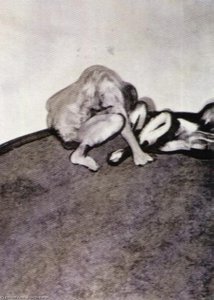
Francis Bacon’s haunting black and white photograph captures two figures in quiet contemplation amidst a dimly lit room, embodying the artist's signature visceral style from the mid-century period—a poignant glimpse into human vulnerability that invites you to explore this evocative masterpiece.
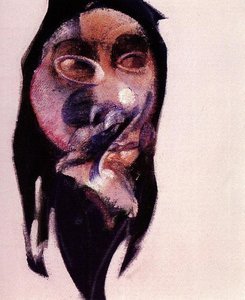
Francis Bacon’s haunting study for Isabel Rawsthorne captures the unsettling fusion of male and female faces—a hallmark of his visceral style—reflecting the anxieties of postwar Britain and inviting you to explore this iconic piece.