Showing 6 artworks with Francis Bacon
-
Francis Bacon
Not available for this selection
- Espresso
- Cobalt Violet
- Celadon
- Mahogany
- Rosy Brown
Not available for this selection
- Irish Artist
- Postwar Art
- Expressionism
- Contemporary Art
- Surrealism
- Francis Bacon
- Painting
- Emotional Painting
- Dublin
- Gift Idea
- Bold Brushstrokes
- Broken Tap
- Emotion
- Symbolism
- Van Gogh Influence
- Dark Art
- Existential Art
- Field Scene
- Home Decor
- Ireland
- Symbolic Imagery
- Figurative Painting
- Portrait
- Dog
- Bacon Painting
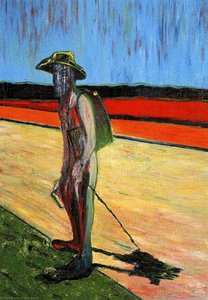
Study for a Portrait of Van Gogh V, 1957 - Francis Bacon's evocative depiction captures the melancholic beauty of a rainy day stroll with a dog companion. This unsettling portrait explores themes of solitude and vulnerability through visceral brushstrokes.
Born in Dublin, Ireland, Francis Bacon (1909-1992) forged his artistic path independently, absorbing influences from Surrealism and Cubism. Known for emotionally charged figurative paintings characterized by distorted forms and raw expressionism, he remains a cornerstone of modern art.
Explore 10 legendary 'Acrylic On Canvas' masterpieces by artists like Rothko, Warhol & Frankenthaler. Discover the stories behind these iconic paintings and their impact on modern art. Find museum-quality reproductions at – elevate your home with timeless beauty.
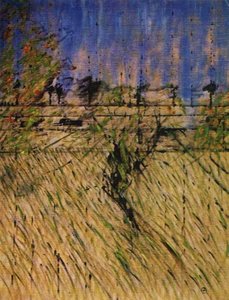
Explore Francis Bacon's haunting landscape reimagining—a visceral depiction of solitude and movement inspired by Van Gogh’s style during the postwar era. Capture the raw emotion of this iconic piece and bring its timeless beauty into your home.
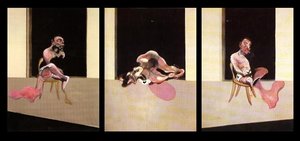
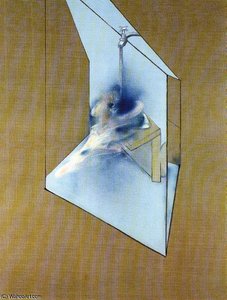
Francis Bacon’s unsettling Water from a Running Tap captures a fractured moment of domestic life against a desolate blue sky—a masterful depiction of vulnerability and decay emblematic of the artist's Expressionist style during the 1980s. Explore this iconic piece and bring its haunting beauty into your home.
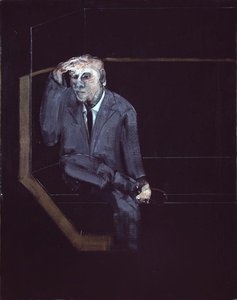
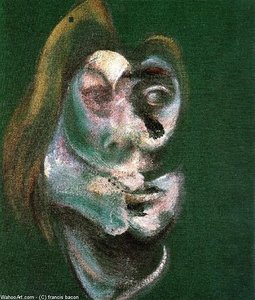
Francis Bacon’s haunting study for Isabel Rawsthorne captures the unsettling fusion of male and female faces—a hallmark of his visceral style—reflecting the anxieties of postwar Britain and inviting you to explore this iconic piece.