Showing 20 artworks with Francis Bacon and with artwork date before 1966 and with artwork date after 1956

-
Francis Bacon
-
-1966
-
1956+
Not available for this selection
- Black
- Espresso
- Phthalo Green
- Gray
- Putty
- Sea Green
- Walnut
- Clay
- Rosy Brown
- Brown
- Expressionism
- Francis Bacon
- Surrealism
- Figure Painting
- Portrait
- Painting
- Irish Artist
- Dublin Artist
- Modern Art
- Distortion
- Bacon
- Psychological Art
- Portrait Van Gogh
- Oil Painting
- Postwar Art
- Emotional Painting
- Emotional Intensity
- Contemporary Art
- Distorted Form
- Psychological Depth
- Anxiety
- British Art
- Irish Painter
- Dark Palette
- Bacon Painting
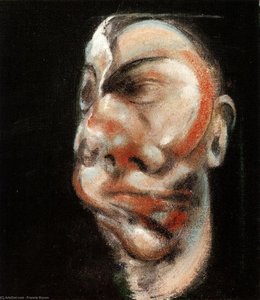
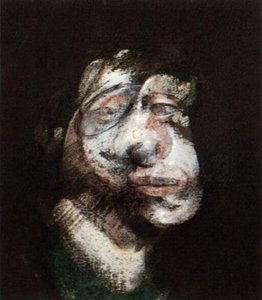
Study for Three Heads (right panel), oil on canvas by Francis Bacon (1909-1992). This unsettling depiction of the human face explores themes of trauma and distortion, reflecting Bacon's profound engagement with psychological anxieties.
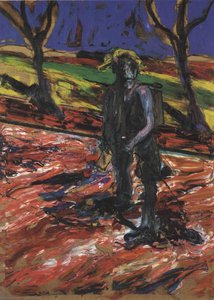
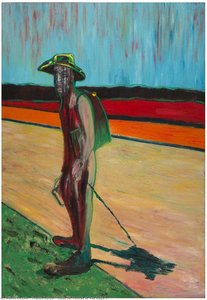
This evocative portrait by Francis Bacon captures a moment of quiet contemplation amidst a windswept landscape. The artist’s masterful depiction conveys profound emotion and psychological depth, reflecting his signature style.
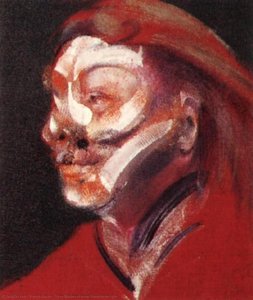
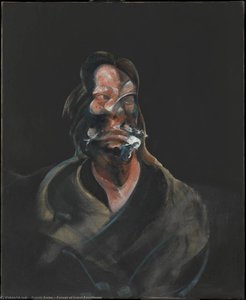
Francis Bacon’s haunting 'Three Studies of Isabel Rawsthorne right' captures the unsettling gaze and visceral emotion characteristic of his Expressionist style—a portrait steeped in 1966 British art history, inviting you to explore this iconic masterpiece.
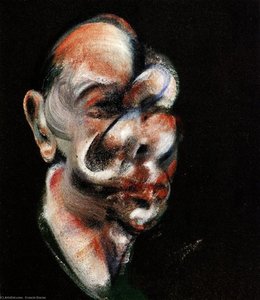
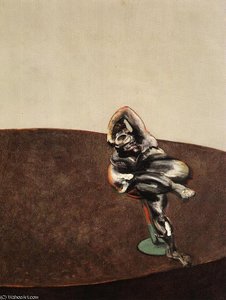
Francis Bacon’s unsettling Study for Three Heads presents a distorted portrait of anguish and isolation in black and white, embodying the artist's visceral style from the 1960s. Explore this iconic work and bring its raw emotion into your space.
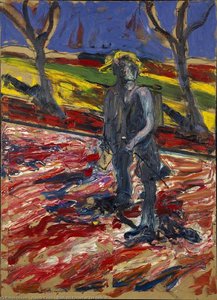
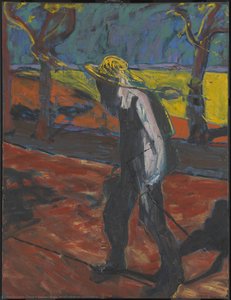
Francis Bacon's "Study for Portrait of Van Gogh III" (1957) is a haunting exploration of melancholy and introspection, blending Van Gogh’s style with Bacon’s signature distortion. A powerful modernist piece.
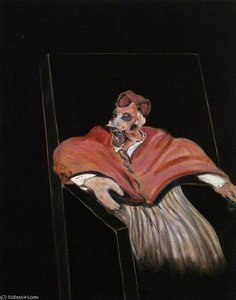
Francis Bacon's "Study for a Pope III" (1961) is a haunting monochrome study capturing existential anguish through distorted figures and stark shadows. Explore the raw emotion of this iconic Expressionist masterpiece.
This haunting Study for Three Heads exemplifies Bacon's signature style, utilizing loose brushstrokes and dark tones to portray a fragmented human face imbued with anxiety and despair. Influenced by Surrealism and Expressionism, it’s a powerful meditation on isolation and vulnerability.
Born in Dublin, Ireland, Francis Bacon (1909-1992) forged his artistic path independently, absorbing influences from Surrealism and Cubism. Known for emotionally charged figurative paintings characterized by distorted forms and raw expressionism, he remains a cornerstone of modern art.
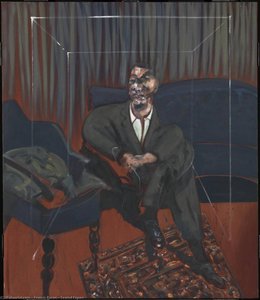
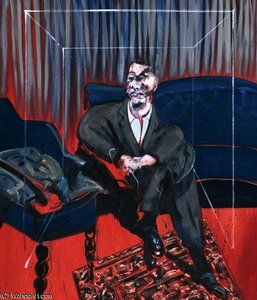
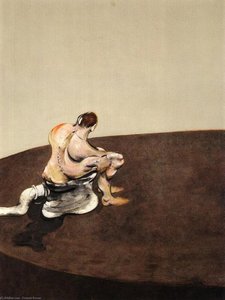
Experience the raw emotion of Francis Bacon's 'Seated Figure.' This unsettling portrait captures psychological turmoil through distorted forms, muted colors, and visceral brushstrokes – a cornerstone of modern art.
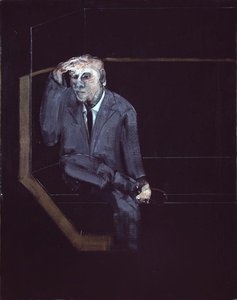
This haunting portrait by Francis Bacon captures a man's unsettling gaze and posture, juxtaposed against the stark simplicity of a chair and handbag. Explore the visceral emotion conveyed through Bacon’s masterful use of color and texture.
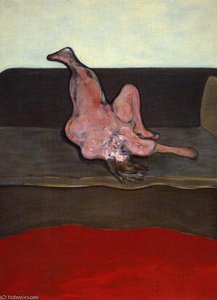
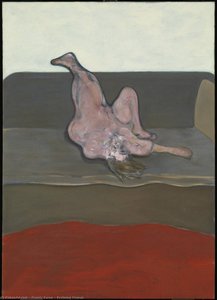
“Reclining Woman,” by Francis Bacon (1961), explores themes of vulnerability and psychological torment through distorted figures against a stark red backdrop. This iconic piece showcases Bacon’s signature style—a visceral depiction of human form—and is currently exhibited at Tate Britain as part of Modern and Contemporary British Art.
The painting depicts three figures in a room, with one seated on a chair and another standing nearby. The scene is marked by dramatic composition and conveys a sense of unease.
Three Figures in a Room by Francis Bacon – A haunting triptych depicting a solitary man seated on a chair, embodying the artist's signature exploration of psychological torment and visceral emotion.
Francis Bacon’s haunting Study for a Portrait captures a moment of profound stillness amidst unsettling distortion—a masterful depiction from the mid-century British Expressionist movement inviting viewers to contemplate beauty and terror simultaneously.
Francis Bacon's 'Reclining Woman' (1961) is a hauntingly visceral depiction of vulnerability and isolation, rendered in his signature distorted style. Explore the raw emotion captured on canvas.