Showing 5 artworks with Francis Bacon and with 1960s Art
-
Francis Bacon
-
1960s Art
Not available for this selection
- Black
- Quinacridone Magenta
- Rosy Brown
- Mahogany
Not available for this selection

- 1960S Art
- Expressionism
- Francis Bacon
- Dublin Artist
- Modern Art
- Wall Hanging
- Bacon Painting
- Dark Palette
- Surrealism
- Fine Art Print
- Psychological Art
- Distortion Art
- Figurative Art
- Dark Mood
- Expressionist Art
- Post-War Art
- Living Room Decor
- Portrait Study
- Violent Imagery
- Human Figure
- Triptych
- Emotional Painting
- Abstract Portrait
- Bacon Technique
- Figurative Sculpture
- Home Decor
- Disturbing Imagery
- Shocking Artwork
- Psychological Realism
- Bicycle Portrait
- Texture
- Abstract Art
- Anguish
- Psychological Torment
- Minimalism
- Irish Artist
- Surrealist Style
- Human Head
- White Background
- Distorted Figure
- Abstract Expressionism
- British Painter
- Existentialism
- Visceral Emotion
- Suffering
- Green Hue
- Modern Art Print
- Visceral
- Repetition
- Crucifixion
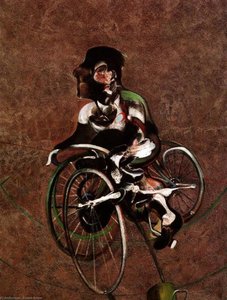
Francis Bacon’s unsettling portrait captures George Dyer astride a bicycle amidst a stark chair backdrop—a visceral depiction emblematic of his signature style and the bleak emotional landscape of the 1960s. Explore this iconic artwork and bring its haunting beauty into your home.
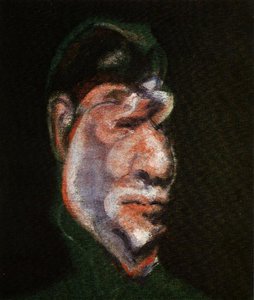
Head IV, 1961 - Francis Bacon: This Expressionist portrait by Francis Bacon depicts a distorted human head bathed in an unsettling green hue, reflecting the artist's signature style and exploring themes of psychological torment and visceral emotion.
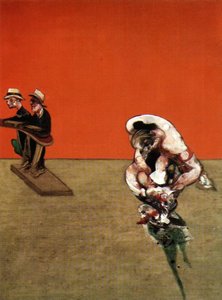
Explore Francis Bacon's visceral 1965 Crucifixion triptych – a haunting masterpiece of Expressionism. Confront themes of suffering, violence & the fragility of life through distorted forms and searing color.
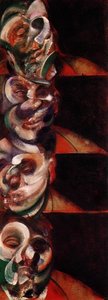
Explore Francis Bacon's haunting 'Four Studies for a Self-Portrait,' 1967 – an unsettling depiction of human vulnerability and psychological exploration rendered in oil on canvas.
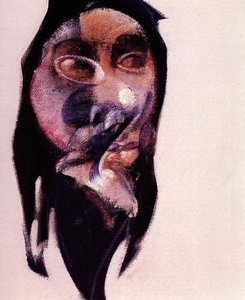
Francis Bacon’s unsettling portrait studies capture visceral emotion through distorted figures against stark white backgrounds—a hallmark of his expressive style during the 1960s. Explore this iconic piece and bring Bacon's haunting vision into your home.