Showing 24 artworks out of 38 with Francis Bacon and with Dark Palette

-
Francis Bacon
-
Dark Palette
Not available for this selection
- Expressionism
- Surrealism
- Expressionist Painting
- Surrealist Expression Surrealism
- Surrealism Surrealism
- Contemporary Realism
- Surrealist
- Surrealist Movement
- Expressionist Surrealism
- Expressionist Abstraction
- Expressionism Expressionism
- Expressionist
- Expressionist Distortion
- Expressionist Portraiture
- See all
- Black
- Espresso
- Quinacridone Magenta
- Driftwood
- Phthalo Green
- Putty
- Cobalt Violet
- Bronze
- Steel Blue
- Walnut
- Gray
- Rosy Brown
- White
- Dark Palette
- Francis Bacon
- Expressionism
- Surrealism
- British Art
- Dublin Artist
- Psychological Art
- Portrait Painting
- Portraiture
- Irish Artist
- Figure Painting
- Symbolic Imagery
- Postwar Art
- Bacon Painting
- British Painter
- Intense Emotion
- Modern Art
- Portrait Study
- Existential Angst
- Disturbing Imagery
- Contemporary Art
- Anxiety
- Psychedelic Art
- Abstract Expressionism
- Distortion
- Human Emotion
- Isolation
- Painting
- Distorted Figure
- Abstract Figure
- Black And White Art
- Human Vulnerability
- Anatomical Detail
- Oil Canvas
- Oil Painting
- Vulnerability
- Art Collector
- Naked Man
- Tension
- Dog Portrait
- Existential Themes
- Texture Painting
- Home Decor
- Human Figure
- Horror Art
- Emotional Intensity
- Emotional Depth
- Irish Art
- Figurative Art
- Abstract Art
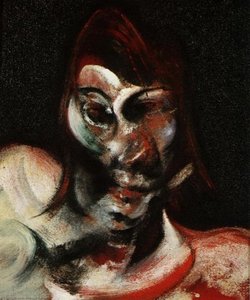
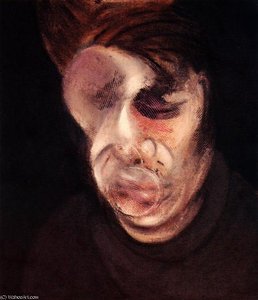
Francis Bacon’s haunting black and white portrait captures Henrietta Moraes's shocked gaze and intense emotion—a visceral exploration of the human condition emblematic of Expressionism and reflecting his profound engagement with psychological depth.
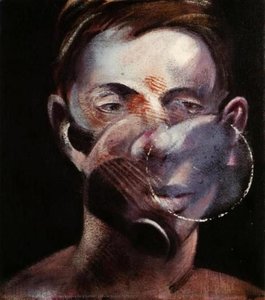
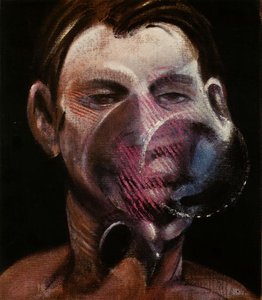
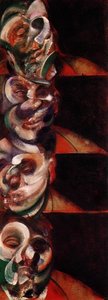
Francis Bacon’s unsettling 'Three Studies for a Portrait of Peter Board' captures the artist’s signature brutalist style and explores themes of vulnerability amidst fear—a haunting depiction from 1975 that invites you to experience the visceral power of this iconic masterpiece.
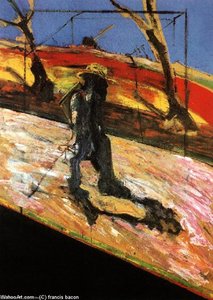
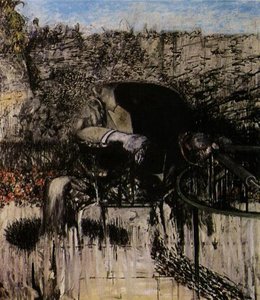
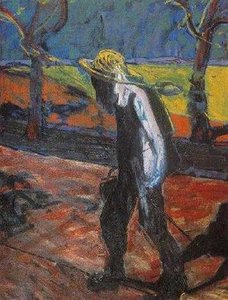
Study for a Portrait of Van Gogh II, 1957 - Francis Bacon's haunting depiction captures the tormented spirit of Vincent van Gogh through a striking juxtaposition of figures and a vibrant red field. Explore the visceral emotion and symbolic depth of this iconic artwork.
Explore Francis Bacon's unsettling Study for Portrait VIII (1953), capturing psychological torment through distorted figures and dark hues—a cornerstone of Expressionism reflecting the anxieties of postwar Europe.
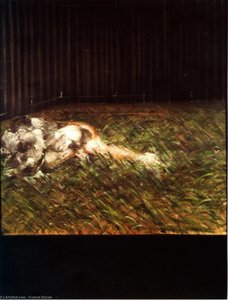
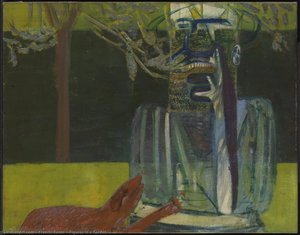
Two Figures in the Grass 1 by Francis Bacon – This evocative painting depicts two dogs resting on grass, accompanied by two people, capturing Bacon’s signature style of visceral emotion and unsettling imagery.
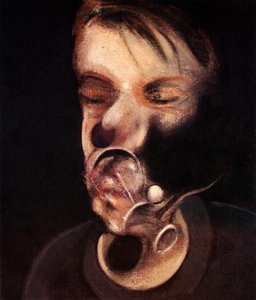
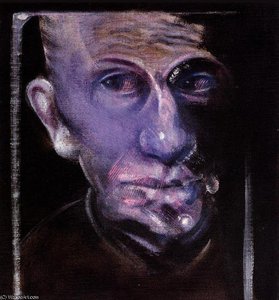
Two Studies for Self-Portrait, 1977 (b) by Francis Bacon – A haunting depiction of the artist’s gaze, rendered in stark black and white with subtle textural variations. Explore Bacon's masterful use of form and emotion to convey profound psychological insight.
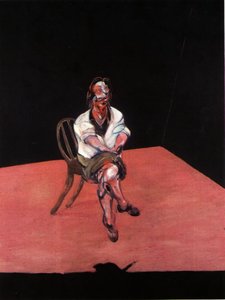
The painting depicts a man seated on a chair with his hands tied behind him, conveying distress and discomfort amidst an intense atmosphere. Two figures appear in the background, adding to the dramatic effect.
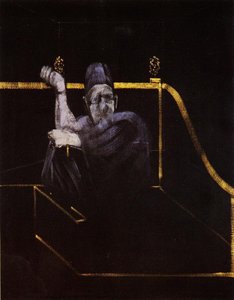
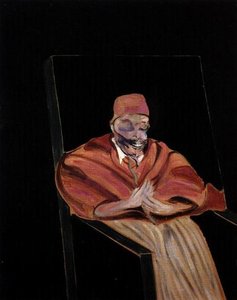
Study for a Pope IV - Francis Bacon A haunting depiction of mortality and psychological torment, this study captures the essence of Bacon's signature style – grotesque figures juxtaposed against stark backgrounds. The painting portrays a man with a skeleton face seated in a chair, embodying themes of decay and existential dread. Its unsettling imagery reflects Bacon’s preoccupation with human vul
This striking black and white painting showcases Bacon’s exploration of psychological depth through expressive brushstrokes. Inspired by his connection with Ian Fleming and fellow artist Denis Wirth-Miller, the artwork delves into themes of vulnerability and intensity. Its meticulous detail reveals Bacon's signature style—a profound meditation on the human condition.
Two Studies for Self-Portrait, left - This haunting black and white painting by Francis Bacon depicts a man with a severely scarred face, capturing the artist's signature exploration of pain and psychological torment. A visceral portrayal of vulnerability and distortion.
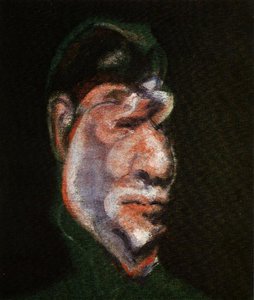
Head IV, 1961 - Francis Bacon: This Expressionist portrait by Francis Bacon depicts a distorted human head bathed in an unsettling green hue, reflecting the artist's signature style and exploring themes of psychological torment and visceral emotion.
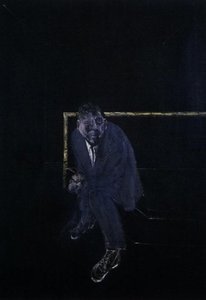
The painting depicts a solitary man seated on a bench, his head bowed, with a cigarette dangling from his lips—a poignant portrayal of introspection and melancholy rendered in stark black and white.
Francis Bacon’s haunting ‘Three Studies for a Portrait of Peter Board,’ 1975 captures the unsettling mood of postwar Britain with visceral imagery—a man drenched in blood clutching wine glasses—reflecting Bacon's masterful exploration of human vulnerability and psychological torment. Explore this iconic piece and bring its dramatic beauty into your home.
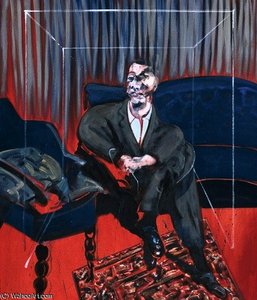
This haunting portrait by Francis Bacon captures a man's unsettling gaze and posture, juxtaposed against the stark simplicity of a chair and handbag. Explore the visceral emotion conveyed through Bacon’s masterful use of color and texture.
“Study for Head of George Dyer” was created in 1967 by Francis Bacon in Expressionism style. Find more prominent pieces of sketch and study at WikiArt.org – best visual art database.
Explore Francis Bacon's haunting 'Four Studies for a Self-Portrait,' 1967 – an unsettling depiction of human vulnerability and psychological exploration rendered in oil on canvas.
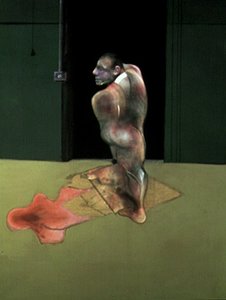
Study for Portrait of John Edwards by Francis Bacon - Expressionistic painting depicting a naked man with slumped posture and distressed facial expression, set against a doorway into another room.
Francis Bacon’s 'Study for a Portrait of Van Gogh IV' is an intense Expressionistic oil painting capturing rural solitude & hardship through bold brushstrokes and unsettling color. A powerful, textured work by a renowned Irish artist.
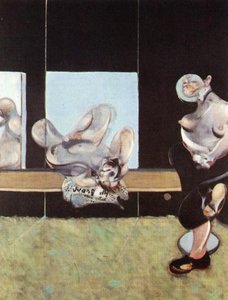
Painting by Francis Bacon titled "Studies from the Human Body, 1975". Oil, pastel and dry transfer lettering on canvas. Dimensions: 78 x 58 in. © The Estate of Francis Bacon. All rights reserved, DACS Images.