Showing 24 artworks with Francis Bacon and with Figure Painting
Sort by:

Showing 24 artworks with Francis Bacon and with Figure Painting

Not available for this selection
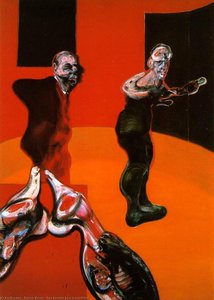
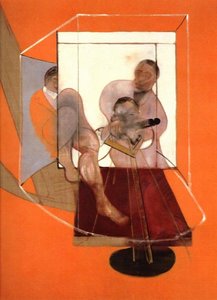
Tres bocetos para la crucifixión - Francis Bacon The painting depicts two figures locked in an unsettling interaction against a bold red backdrop, reflecting Bacon’s signature expressive style and exploring themes of vulnerability and confrontation. A haunting portrayal by the Irish-born artist, capturing the essence of existential angst.
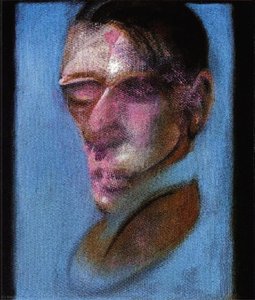
Three Studies for Self-Portrait, 1980, Center Panel - This iconic piece by Francis Bacon showcases an unsettlingly realistic depiction of a man's face—a haunting exploration of identity and emotion characterized by exaggerated features and a striking blue background.
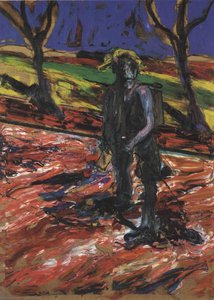
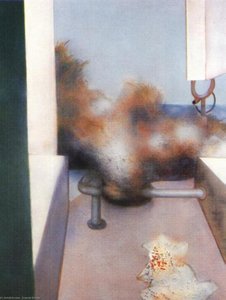
This evocative portrait by Francis Bacon captures a moment of quiet contemplation amidst a windswept landscape. The artist’s masterful depiction conveys profound emotion and psychological depth, reflecting his signature style.
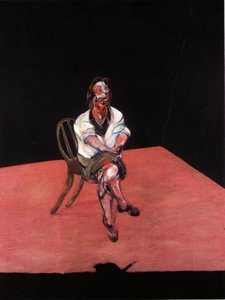
The painting depicts a man seated on a chair with his hands tied behind him, conveying distress and discomfort amidst an intense atmosphere. Two figures appear in the background, adding to the dramatic effect.
Three Studies for Self-Portrait, Left (1974) - A haunting black and white photograph capturing Francis Bacon's introspective gaze as he contemplates his own visage.
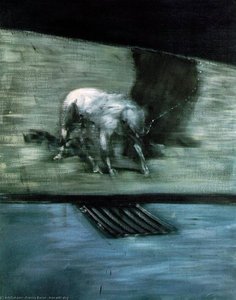
The painting depicts a man and a dog intertwined on a metal grate, embodying Bacon's exploration of vulnerability and confinement amidst a dark backdrop.
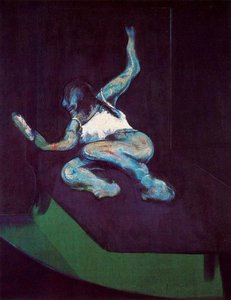
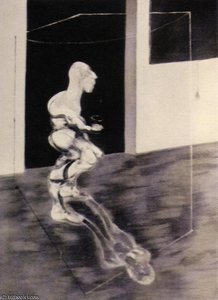
Lying Figure Nr. 3 by Francis Bacon - A haunting black and white depiction of a dancer amidst shadowy figures, capturing the artist's signature visceral style.
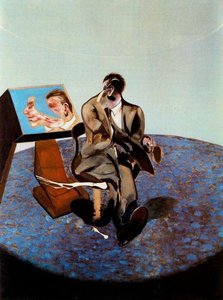
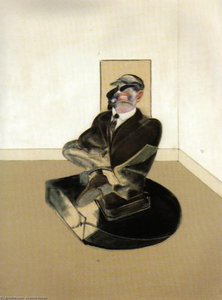
This haunting portrait by Francis Bacon captures a man's unsettling gaze and posture, juxtaposed against the stark simplicity of a chair and handbag. Explore the visceral emotion conveyed through Bacon’s masterful use of color and texture.
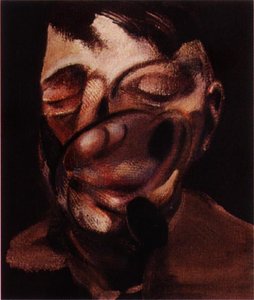
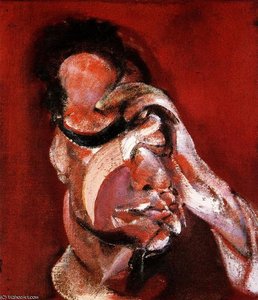
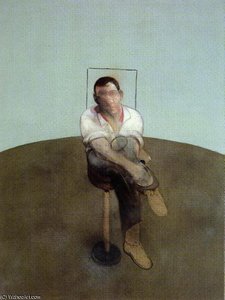
Three Studies for a Portrait of Lucian Freud, left - (196) by Francis Bacon – A haunting depiction of Lucian Freud’s face partially obscured by his hand, rendered in Bacon's signature crimson hues and characterized by unsettling textures. Explore the artist's biography and delve into the emotional depth of this iconic piece.
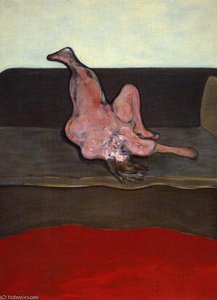
“Reclining Woman,” by Francis Bacon (1961), explores themes of vulnerability and psychological torment through distorted figures against a stark red backdrop. This iconic piece showcases Bacon’s signature style—a visceral depiction of human form—and is currently exhibited at Tate Britain as part of Modern and Contemporary British Art.
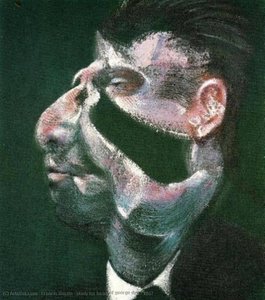
“Study for Head of George Dyer” was created in 1967 by Francis Bacon in Expressionism style. Find more prominent pieces of sketch and study at WikiArt.org – best visual art database.
The painting depicts three figures in a room, with one seated on a chair and another standing nearby. The scene is marked by dramatic composition and conveys a sense of unease.
Francis Bacon’s "Portrait of George Dyer Talking" (1966) captures raw emotion and unsettling surrealism through thick impasto, exploring the artist's fascination with fractured figures and psychological depth. Discover this iconic piece's visceral style.
The painting depicts a reclining figure with a turned head, adorned with a hat and possessing avian features – a characteristic motif of Bacon’s oeuvre. Alongside the central figure are two chairs and a clock, contributing to an unsettling atmosphere that reflects the artist's preoccupation with psychological torment and existential anxieties.
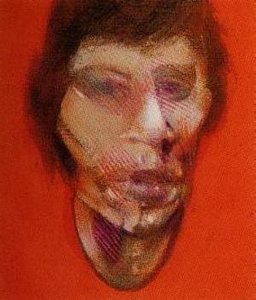
Explore Francis Bacon's haunting 'Three Studies for a Portrait of Mick Jagger,' a visceral depiction capturing Jagger’s distorted visage against a stark red backdrop – a masterpiece of Expressionism.
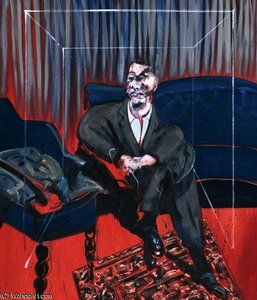
Three Figures in a Room by Francis Bacon – A haunting triptych depicting a solitary man seated on a chair, embodying the artist's signature exploration of psychological torment and visceral emotion.
The painting depicts three men seated in a room, one holding a shotgun. The scene conveys a sense of unease and psychological tension characteristic of Bacon's style.
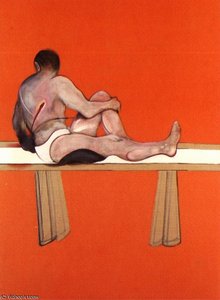
Triptych, left - This painting depicts a man seated on a bench with crossed legs, conveying palpable pain and discomfort. The composition incorporates elements like chairs, a couch, and a clock to create a detailed scene reflecting Bacon's exploration of human emotion.
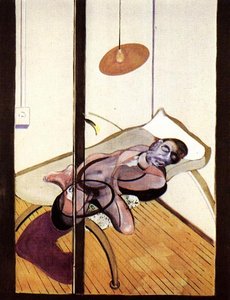
Sleeping Figure, 1974 - This haunting painting by Francis Bacon depicts a man lying on a bed with his head turned to the side, capturing a moment of profound stillness amidst unsettling imagery. The room’s details—chairs, lamps, and a clock—contribute to an atmosphere of quiet contemplation.
Sand Dune 1 by Francis Bacon – This evocative painting captures the dynamism of a windy beach scene featuring sand dunes, two figures, and a boat. Bacon’s signature style embodies visceral emotion and explores themes of displacement and psychological intensity.
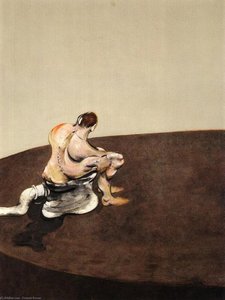
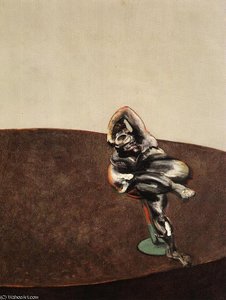
“Seated Figure” by Francis Bacon (1961) explores themes of vulnerability and psychological torment through visceral imagery—a man seated on a stool with an open mouth against a brick wall backdrop—captured in Tate Britain’s Modern and Contemporary British Art collection.
Francis Bacon’s ‘Three Studies for a Portrait of John Edwards’ – a haunting oil painting exploring isolation & contemplation. Expressionist brushwork, earthy tones, and symbolic depth.
Stay updated with the latest art news, exclusive offers, and decoration ideas.
Tell us about your project and our art experts will provide you with 3 personalized art suggestions.
Let Us Curate 3 Options Just for You - Free!