Showing 11 artworks out of 59 with Francis Bacon and with Irish Artist

-
Francis Bacon
-
Irish Artist
Not available for this selection
- Expressionism
- Expressionist Painting
- Expressionist Surrealism
- Surrealism
- Contemporary Realism
- Surrealist Expression Surrealism
- Expressionistic Surrealism
- Surrealist Expression
- Expressionist Abstraction
- Expressionist Horror
- Expressionist Landscape
- Expressionist Modernism
- Expressionism Expressionism
- Existentialism
- Expressionistic
- Expressionistic Realism
- Figurative Expressionism
- Post-War Expressionism
- Early Modern
- Surrealism Surrealism
- Cubist Expressionism
- Expressionist Distortion
- Expressionist Drama
- See all
- Black
- Espresso
- Putty
- Walnut
- Phthalo Green
- Gray
- Brown
- Mahogany
- White
- Cobalt Violet
- Quinacridone Magenta
- Celadon
- Rosy Brown
- Clay
- Driftwood
- Khaki
- Irish Artist
- Francis Bacon
- Expressionism
- Postwar Art
- Modern Art
- Psychological Art
- Bacon Painting
- Surrealism
- Contemporary Art
- Portrait Painting
- Abstract Portrait
- Distorted Form
- Abstract Expressionism
- Dark Palette
- Distorted Figure
- Black And White Art
- Home Decor
- Post-War Art
- Symbolic Imagery
- Emotional Painting
- Figurative Painting
- Dark Art
- Oil Painting
- Existential Angst
- Disturbing Imagery
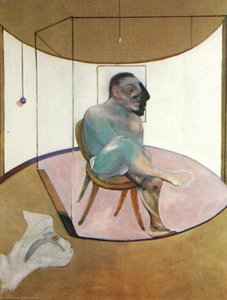
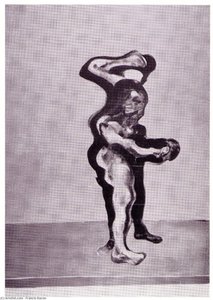
Francis Bacon’s unsettling Figuras en movimiento 1 captures a moment of profound vulnerability—a naked figure grappling with isolation and fear against a stark red backdrop. This iconic piece exemplifies Bacon's expressive figurative style, rooted in the postwar British art scene, inviting viewers to contemplate existential anxieties.
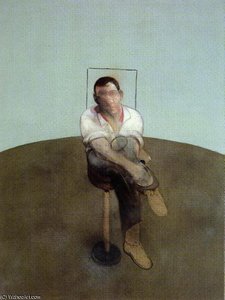
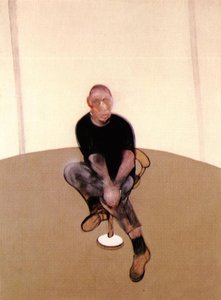
Francis Bacon’s ‘Three Studies for a Portrait of John Edwards’ – a haunting oil painting exploring isolation & contemplation. Expressionist brushwork, earthy tones, and symbolic depth.
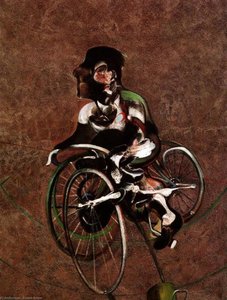
Francis Bacon’s unsettling portrait captures George Dyer astride a bicycle amidst a stark chair backdrop—a visceral depiction emblematic of his signature style and the bleak emotional landscape of the 1960s. Explore this iconic artwork and bring its haunting beauty into your home.
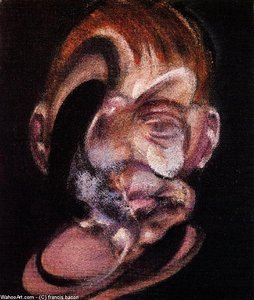
Francis Bacon’s unsettling self-portrait captures the visceral horror of post-war Britain through distorted flesh and stark black backgrounds—a masterful depiction of psychological torment that invites contemplation and offers a glimpse into the artist's deeply personal vision.
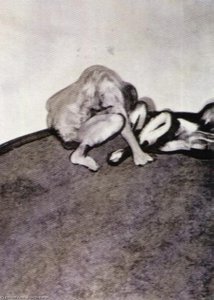
Francis Bacon’s haunting black and white photograph captures two figures in quiet contemplation amidst a dimly lit room, embodying the artist's signature visceral style from the mid-century period—a poignant glimpse into human vulnerability that invites you to explore this evocative masterpiece.
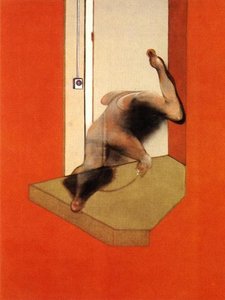
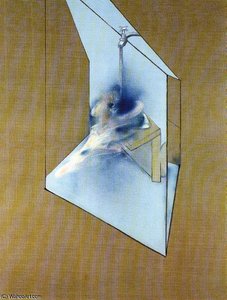
Francis Bacon’s unsettling Water from a Running Tap captures a fractured moment of domestic life against a desolate blue sky—a masterful depiction of vulnerability and decay emblematic of the artist's Expressionist style during the 1980s. Explore this iconic piece and bring its haunting beauty into your home.
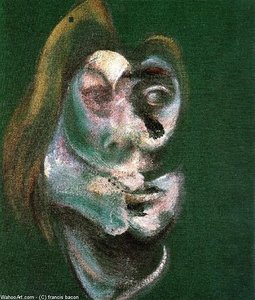
Francis Bacon’s haunting study for Isabel Rawsthorne captures the unsettling fusion of male and female faces—a hallmark of his visceral style—reflecting the anxieties of postwar Britain and inviting you to explore this iconic piece.
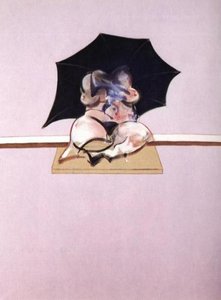
Francis Bacon’s unsettling triptych captures a woman poised on the brink of collapse under an umbrella, embodying raw emotion and vulnerability within his signature expressionist style—a poignant exploration of human fragility from 1970.