Showing 24 artworks out of 62 with Francis Bacon and with Painting

-
Francis Bacon
-
Painting
Not available for this selection
- Expressionism
- Expressionist Painting
- Expressionist Abstraction
- Surrealist Expression Surrealism
- Surrealist
- Expressionism Expressionism
- Expressionist Surrealism
- Surrealism
- Expressionist Drama
- Figurative Expressionism
- Neo Figurative Art
- Surrealism And Expressionism
- Surrealist Expression
- Contemporary Realism
- Surrealist Expressionism
- Cubist/Expressionist
- Expressionist Horror
- Expressionist Minimalism
- Expressionist Portraiture
- Expressionistic Abstraction
- Expressionistic Figuration
- Expressionistic Portraiture
- Expressionistic Surrealism
- See all
- Espresso
- Black
- Phthalo Green
- Putty
- Rosy Brown
- Driftwood
- Bronze
- Walnut
- Celadon
- Mahogany
- Khaki
- Sap Green
- Quinacridone Magenta
- Gray
- Clay
- Brown
- White
- Painting
- Expressionism
- Francis Bacon
- Surrealism
- Portrait
- Distortion
- Modern Art
- Emotion
- Art
- Bacon
- Isolation
- British Art
- Portraiture
- Abstract
- Anxiety
- Figures
- Dublin
- Visceral
- Dublin Artist
- Anguish
- Ireland
- Oil Paint
- Contemporary Art
- Trauma
- Black And White
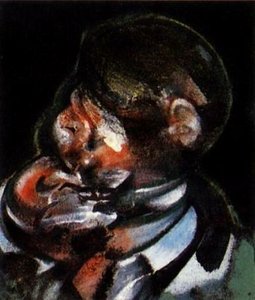
Francis Bacon's 'Study for Portrait of J.H.' is a haunting black-and-white depiction of a baby’s head, reflecting the artist’s visceral exploration of human emotion and mortality. A powerful study in distortion and psychological depth.
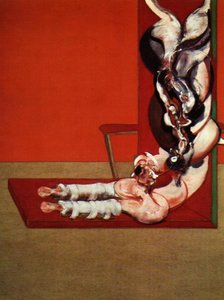
Francis Bacon's 'Crucifixion' (1965) is a visceral and haunting triptych exploring existential anguish through distorted figures and intense color. Witness the raw emotion of this iconic masterpiece.
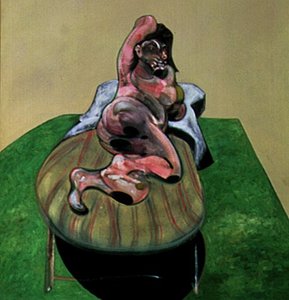
Francis Bacon's haunting 'Henrietta Moraes' captures raw emotion & vulnerability through distorted form and visceral red hues. Explore the artist’s exploration of the human condition.
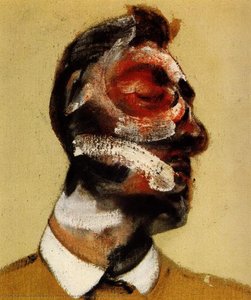
Francis Bacon's haunting 'Three Studies for Portrait of George Dyer' (1964) captures raw emotion & psychological turmoil through fragmented figures on light ground. A pivotal triptych reflecting a complex relationship.
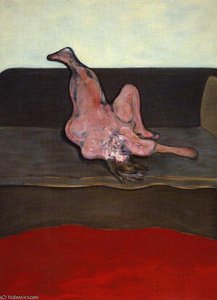
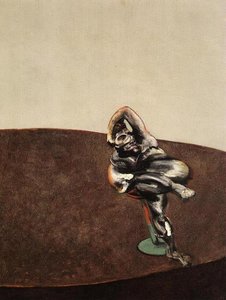
“Reclining Woman,” by Francis Bacon (1961), explores themes of vulnerability and psychological torment through distorted figures against a stark red backdrop. This iconic piece showcases Bacon’s signature style—a visceral depiction of human form—and is currently exhibited at Tate Britain as part of Modern and Contemporary British Art.
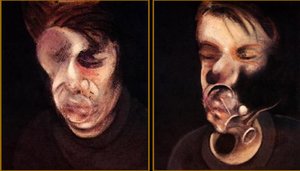
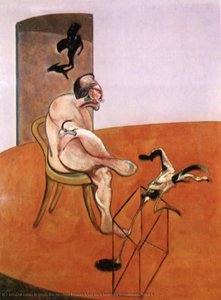
Francis Bacon’s “Two Studies for Self-Portrait” embodies Expressionist intensity, depicting scarred faces reflecting trauma amidst the bleak hues of post-war Britain. Explore this unsettling masterpiece and bring home a stunning reproduction from ArtsDot.
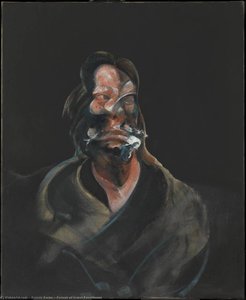
Experience Francis Bacon's raw emotion in "Three Studies of Isabel Rawsthorne." This iconic 1967 painting captures intimacy & turmoil through distorted figures, a masterpiece of modern art.
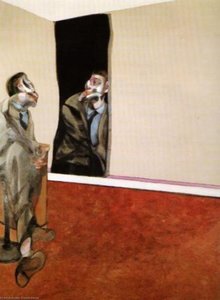
Francis Bacon's 'Portrait of George Dyer Staring into a Mirror' captures raw emotion & existential themes through distorted figures. Explore the intense friendship and artistic legacy within this iconic painting.
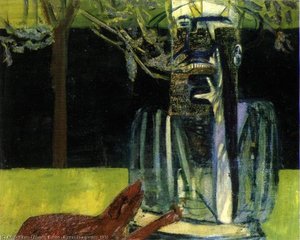
Francis Bacon's 'Figures in a Garden' (1936) captures unsettling human forms within a claustrophobic landscape, reflecting his exploration of isolation and psychological distress through Expressionist techniques.
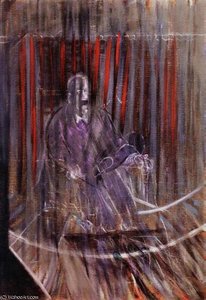
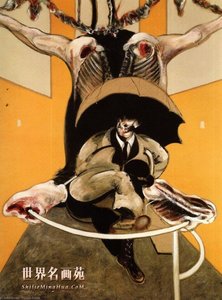
Study after Velazquez II by Tony Shafrazi Gallery - This painting depicts a man seated in a chair with his mouth open, dressed in purple and yellow attire against a vibrant backdrop of orange and yellow hues.
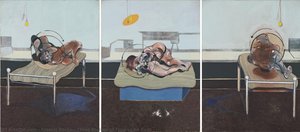
Experience the raw emotion of Francis Bacon's 'Three Studies of Figures on Beds.' This iconic 1972 painting captures unsettling beauty with oil and pastel on canvas – a visceral masterpiece.
Three Figures in a Room 1 by Francis Bacon – A haunting depiction of three figures seated at a dining table, embodying the artist's signature exploration of psychological torment and visceral emotion within a starkly minimalist setting.
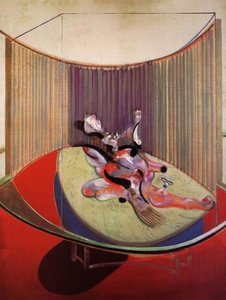
Version No. 2 of Lying Figure with Hypodermic Syringe is a 1968 oil-on-canvas painting by Francis Bacon, depicting Henrietta Moraes reclining on a bed alongside a syringe – the second panel in a series exploring vulnerability and decay. Known for its stark imagery and visceral emotion.
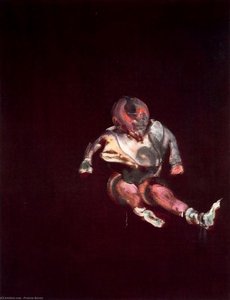
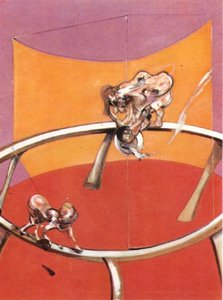
Francis Bacon's "Study of a Child" captures raw emotion & unsettling imagery. This Expressionist masterpiece explores vulnerability and the human condition through distorted forms and intense color. Explore its haunting beauty.
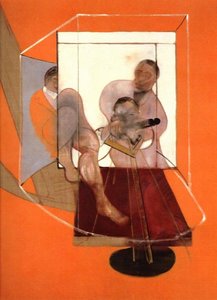
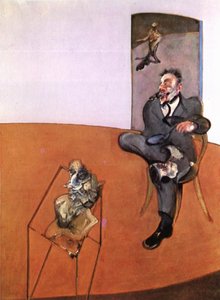
The painting depicts three men seated in a room, one holding a shotgun. The scene conveys a sense of unease and psychological tension characteristic of Bacon's style.
Francis Bacon's haunting 'Two Figures Lying on a Bed' (1968) explores trauma and vulnerability through distorted forms & unsettling imagery. A key work of the Expressionist master.
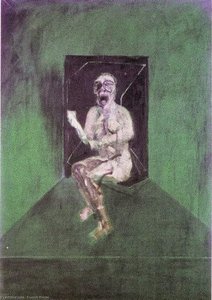
Study for Nurse - Expressionist Oil Painting by Francis Bacon A haunting depiction of female anguish rendered in vibrant greens, this piece captures the visceral intensity characteristic of Bacon's oeuvre. The painting showcases a woman seated rigidly in a chair with her mouth agape, conveying raw emotion and unsettling vulnerability. Explore the depths of human experience through this iconic art
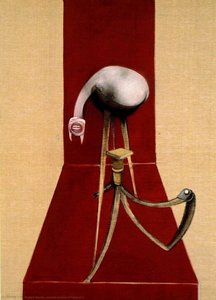
Francis Bacon’s unsettling expressionist depiction captures a bird perched atop a chair—a poignant symbol of vulnerability and joy amidst the bleakness of postwar Britain. Explore this iconic piece and bring its visceral artistry into your home.
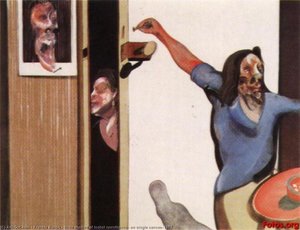
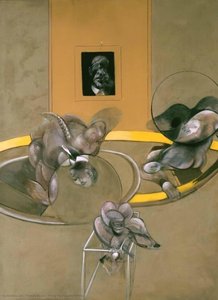
Experience the raw emotion of Francis Bacon's 'Three Figures and Portrait' (1975). This iconic oil painting captures unsettling figures within a claustrophobic space, reflecting his signature style.
Francis Bacon's 'Two Figures Lying on a Bed' (1968) delves into themes of trauma and vulnerability through grotesque distortions and disturbing visual elements—a cornerstone of Expressionist art.
Francis Bacon's 'Painting, 1946' (1971) is a haunting black & white masterpiece capturing raw emotion and existential themes. Explore the unsettling beauty of this iconic work by the renowned British artist.
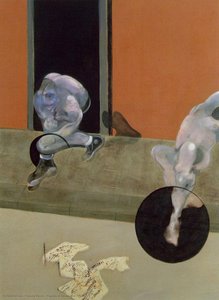
Francis Bacon's 'Figures in Movement' (1973) captures raw emotion and unsettling intimacy through stark black & white. Explore the visceral intensity of this private portrait, a key work in Bacon’s oeuvre.