Showing 24 artworks out of 47 with Francis Bacon and with Postwar Art

-
Francis Bacon
-
Postwar Art
Not available for this selection
- Expressionism
- Expressionist Painting
- Expressionist Surrealism
- Contemporary Realism
- Expressionist Figurative Painting
- Expressionist Landscape
- Expressionist Minimalism
- Expressionist Portraiture
- Expressionistic
- Expressionistic Realism
- Expressionistic Surrealism
- Neo-Figuration
- Contemporary Expressionism
- Surrealist Movement Surrealist Movement
- Cubist Expressionism
- Existential Expressionism
- Expressionist Distortion
- See all
- Black
- Phthalo Green
- Espresso
- Quinacridone Magenta
- Gray
- Brown
- Putty
- Walnut
- Mahogany
- Khaki
- White
- Cobalt Violet
- Plum
- Driftwood
- Rosy Brown
- Postwar Art
- Francis Bacon
- Expressionism
- Irish Artist
- Psychological Art
- Dublin Artist
- Contemporary Art
- Distorted Form
- Emotional Intensity
- Portrait Painting
- Modern Art
- Abstract Expressionism
- Bacon Painting
- Symbolic Imagery
- Existential Angst
- Dark Palette
- British Painter
- Distorted Figure
- Living Room Decor
- British Art
- Fine Art Print
- Emotional Painting
- Black And White Art
- Wall Art
- Irish Painter
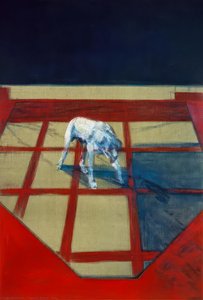
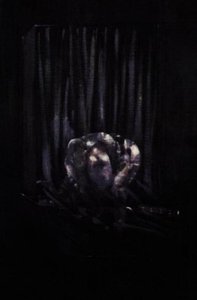
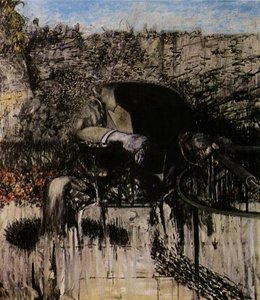
Explore Francis Bacon’s ‘Dog’ (1952): A raw, emotionally charged expressionist painting featuring a solitary figure within a stark geometric landscape. Perfect for art collectors.
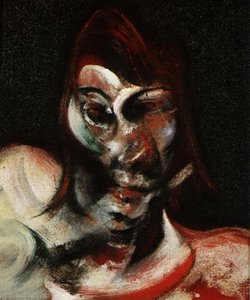
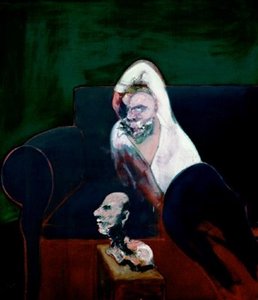
Francis Bacon’s haunting black and white portrait captures Henrietta Moraes's shocked gaze and intense emotion—a visceral exploration of the human condition emblematic of Expressionism and reflecting his profound engagement with psychological depth.
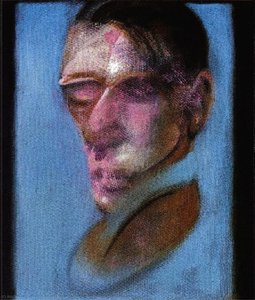
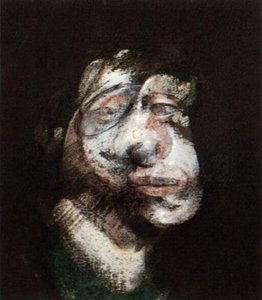
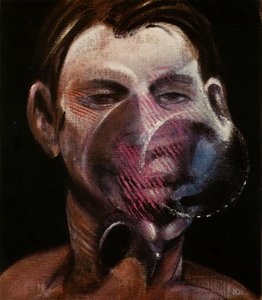
Explore Francis Bacon’s haunting 'Three Studies for Self-Portrait,' 1980 – a visceral depiction of distorted flesh and shadowed eyes capturing the artist's signature Expressionist style during the postwar era. Discover this iconic piece and bring its unsettling beauty into your home.
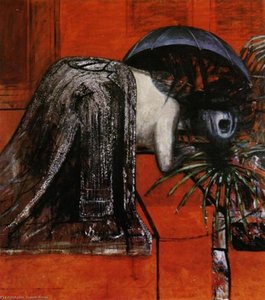
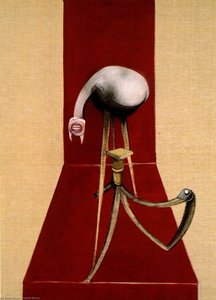
Delve into Francis Bacon's haunting 'Figure Study II,' capturing raw emotion and psychological depth through bold colors & unsettling composition—a cornerstone of post-war expressionism.
Francis Bacon, born in Dublin, Ireland, 1909, defied formal training to forge his own artistic path, absorbing influences from diverse sources and creating emotionally charged figurative paintings characterized by distorted forms and existential themes. His work explores vulnerability and brutality.
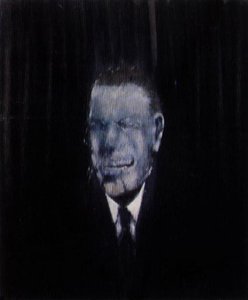
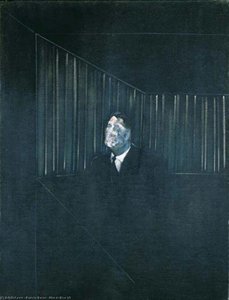
Explore Francis Bacon's unsettling Study for Portrait VIII (1953), capturing psychological torment through distorted figures and dark hues—a cornerstone of Expressionism reflecting the anxieties of postwar Europe.
Francis Bacon’s haunting 'Three Studies for a Crucifixion' captures the brutal anguish of human suffering in a starkly expressive style—a visceral exploration of mortality and despair from the mid-century period. Immerse yourself in this iconic masterpiece and bring its unsettling beauty into your home.
The painting "Study for a Portrait 3" by Francis Bacon is an expressionist depiction of a head with an open mouth, conveying intense emotion through close-up facial features and unsettling imagery.
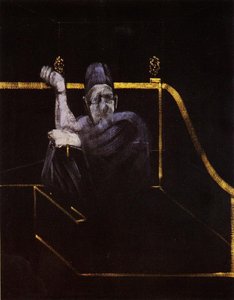
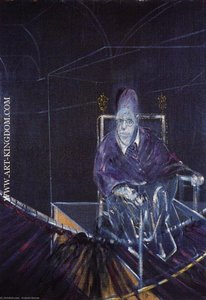
Explore Francis Bacon's haunting 'Pope I,' inspired by Velázquez’s portrait of Pope Innocent X. This unsettling study captures existential anguish and psychological tension through distorted form and symbolic imagery.
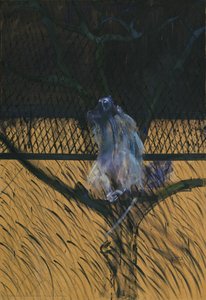
Francis Bacon’s haunting Study of a Baboon captures the unsettling stillness of postwar Britain through his signature expressive style—a visceral depiction of human vulnerability rendered in oil on canvas. Explore this iconic piece and bring Bacon's powerful vision home.
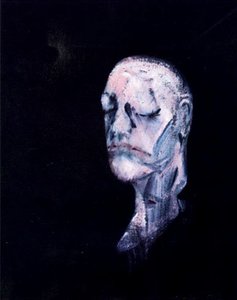
Francis Bacon’s unsettling study for a self-portrait captures a moment of profound isolation and psychological torment—a stark depiction in monochrome reflecting the artist's signature Expressionist style during the postwar era. Explore this iconic piece and bring its haunting beauty into your home.
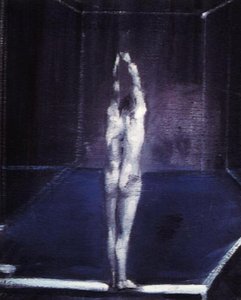
This Study for Nude by Francis Bacon exemplifies Expressionism’s raw emotional intensity. Created in 1951, the painting depicts a nude figure enveloped within heavy curtains, conveying themes of confinement and psychological distress. Bacon utilized thick gestural strokes with oil paints to achieve textural depth and dramatic contrasts—a testament to his distinctive artistic vision.
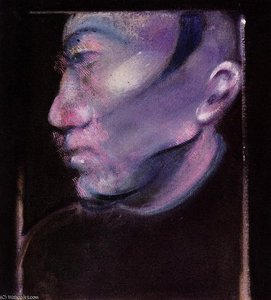
This haunting Study for Three Heads exemplifies Bacon's signature style, utilizing loose brushstrokes and dark tones to portray a fragmented human face imbued with anxiety and despair. Influenced by Surrealism and Expressionism, it’s a powerful meditation on isolation and vulnerability.
Explore the wartime & portrait art of Rupert Shephard (1909-1992). English painter known for industrial scenes, portraits & Slade School training. Discover his work!
Francis Bacon’s haunting ‘Three Studies for a Portrait of Peter Board,’ 1975 captures the unsettling mood of postwar Britain with visceral imagery—a man drenched in blood clutching wine glasses—reflecting Bacon's masterful exploration of human vulnerability and psychological torment. Explore this iconic piece and bring its dramatic beauty into your home.
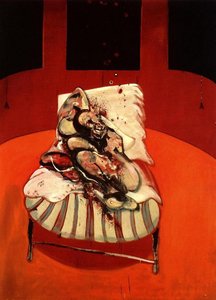
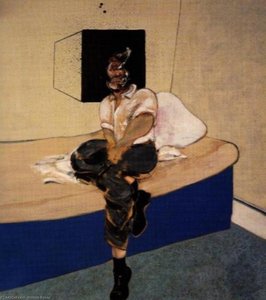
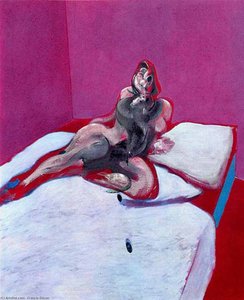
Francis Bacon’s unsettling portrait captures Henrietta Moraes in a visceral depiction of vulnerability—a nude figure sprawled across couches amidst distorted forms emblematic of his Expressionist style and the anxieties of postwar Britain. Explore this iconic masterpiece and bring its haunting beauty into your home.
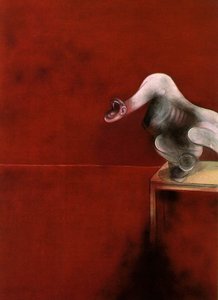
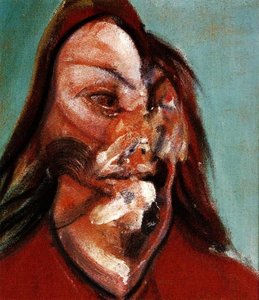
Francis Bacon’s haunting study for a portrait captures an unsettling expressionist visage against a fiery red backdrop—a visceral exploration of distorted form and emotion emblematic of the postwar era.